
 ID
ID EN
EN 中文
中文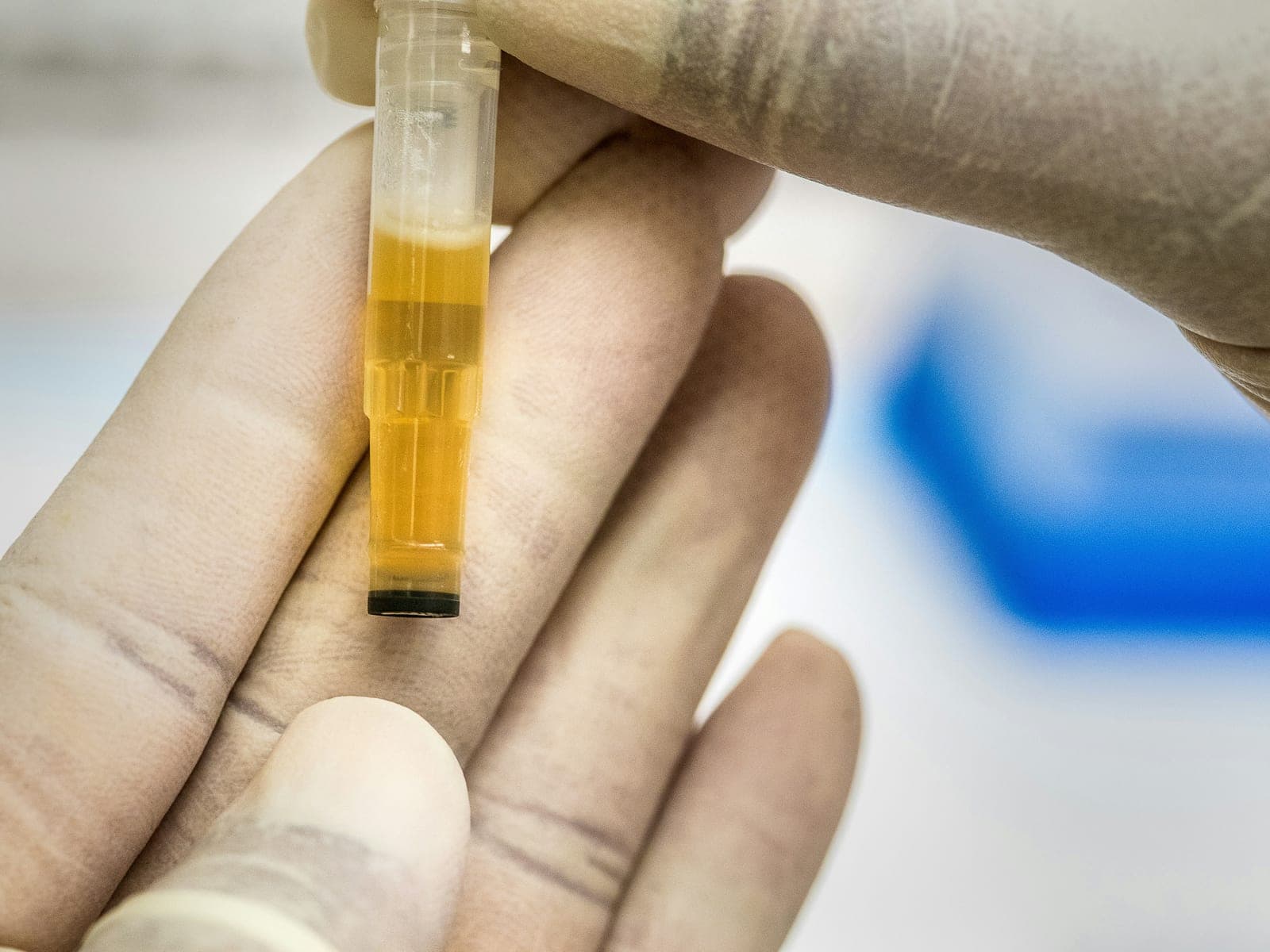
Regulations
Drug tests for work: panels, detection times, your rights
What 3, 5, and 6 panel drug tests mean, how long drugs show in urine, medicines behind false positives, confirmation tests, and Indonesian rules for HR.
Occupational health & education
We help identify and control health hazards in the workplace, then track their effect on workers through planned examinations and programs.
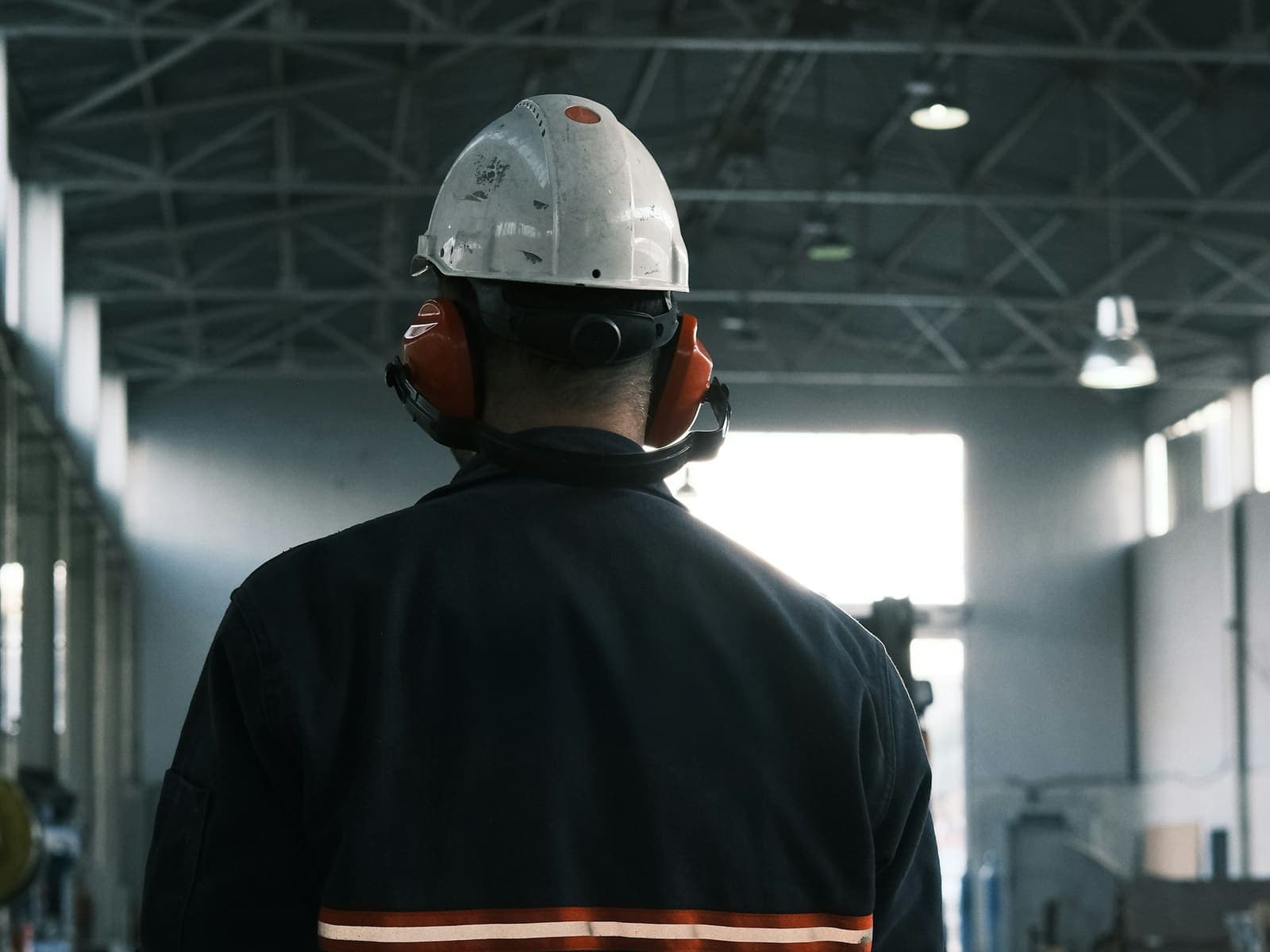
Illustration · Photo: Cemrecan Yurtman / Unsplash
Many work-related health problems develop slowly. Hearing loss from noise, breathing problems from dust, or muscle complaints from repetitive postures often only become noticeable after years. By then, the damage may be permanent.
Occupational health focuses on the stage before that: recognising hazards in the workplace, measuring the level of exposure, controlling it, then monitoring workers' health regularly. This service complements your HSE team's work from the health side.
This approach also helps a company answer the questions that come up in audits and inspections: which hazards exist, how high the exposure is, what has been done, and how workers' health has changed over time. The answers are already in the records, not put together just before the inspection.
Work starts by looking at the processes on site first-hand. We map the health hazards in each area and job group:
The map shows which areas and jobs need further measurement. Measurements are taken with calibrated instruments and compared against the applicable exposure limits. Where a measurement has to be done by a designated laboratory or body, we coordinate it.
The environmental measurements decide which health examinations are relevant. Workers in noisy areas need hearing tests, workers exposed to dust need lung function tests, and so on. Examinations take place before employment, periodically, specifically after an incident or particular exposure, and when a worker returns after illness or injury.
Results are read together with exposure data. When several workers in one area show the same change, it is a sign that the controls in that area need reviewing.
Examinations are also used to assess fitness for work. The doctor judges whether a worker can do their job safely, needs temporarily adjusted duties, or needs further tests. This recommendation goes to the company without disclosing medical details that are not needed.
Two risks that often arise at mines, smelters, and remote projects are heat exposure and fatigue. Workers wearing heavy PPE near heat sources can develop heat stress, ranging from cramps to a medical emergency. Long rosters, night shifts, and long journeys to site can cause fatigue that reduces alertness.
Both can be controlled: work and rest schedules, access to drinking water, acclimatisation for new workers, readiness checks before a shift, and supervisors and medical staff trained to spot the early signs. For furnace areas, our article on heat stress at smelters goes into more detail. Signs and controls for fatigue are covered in our article on fatigue in roster workers.
We turn the hazard map, measurements, and examinations into a program that can actually be run: control priorities, examination schedules, worker education, and the indicators to track. The program links with our onsite clinic and OHS training services when they run at the same site.
ADR Medika is a new company, founded in 2026. We do not claim results that have not happened yet; program targets and how to measure them are agreed together from the start, then reviewed regularly.
How it works
Location, workforce size, and the work pattern at your site.
We review site readiness and the relevant services.
A clearly defined scope and pricing.
A mobilisation schedule agreed together.
Services run and are reviewed regularly.
Built for these sectors
Industrial hygiene is the practice of recognising, measuring, and controlling hazards in the work environment that can harm health, such as noise, dust, heat, vibration, and chemicals. The aim is to prevent occupational disease before it appears, not just to treat it.
It depends on the measurement. Some monitoring can be done in the field with calibrated instruments. Where regulations require a measurement to be taken or analysed by a specific laboratory or body, we coordinate it with a qualified party and state this clearly in the scope.
Full medical results are workers' personal data and are kept confidential. The company receives the information it needs for OHS decisions, such as fitness for work and recommended duty restrictions, plus anonymised group summaries for program planning.
Yes, and the two complement each other. Clinic staff see workers' complaints every day, while the occupational health program looks at the sources of hazard. Combining data from both makes patterns visible sooner.
Regulations
What 3, 5, and 6 panel drug tests mean, how long drugs show in urine, medicines behind false positives, confirmation tests, and Indonesian rules for HR.
Occupational health
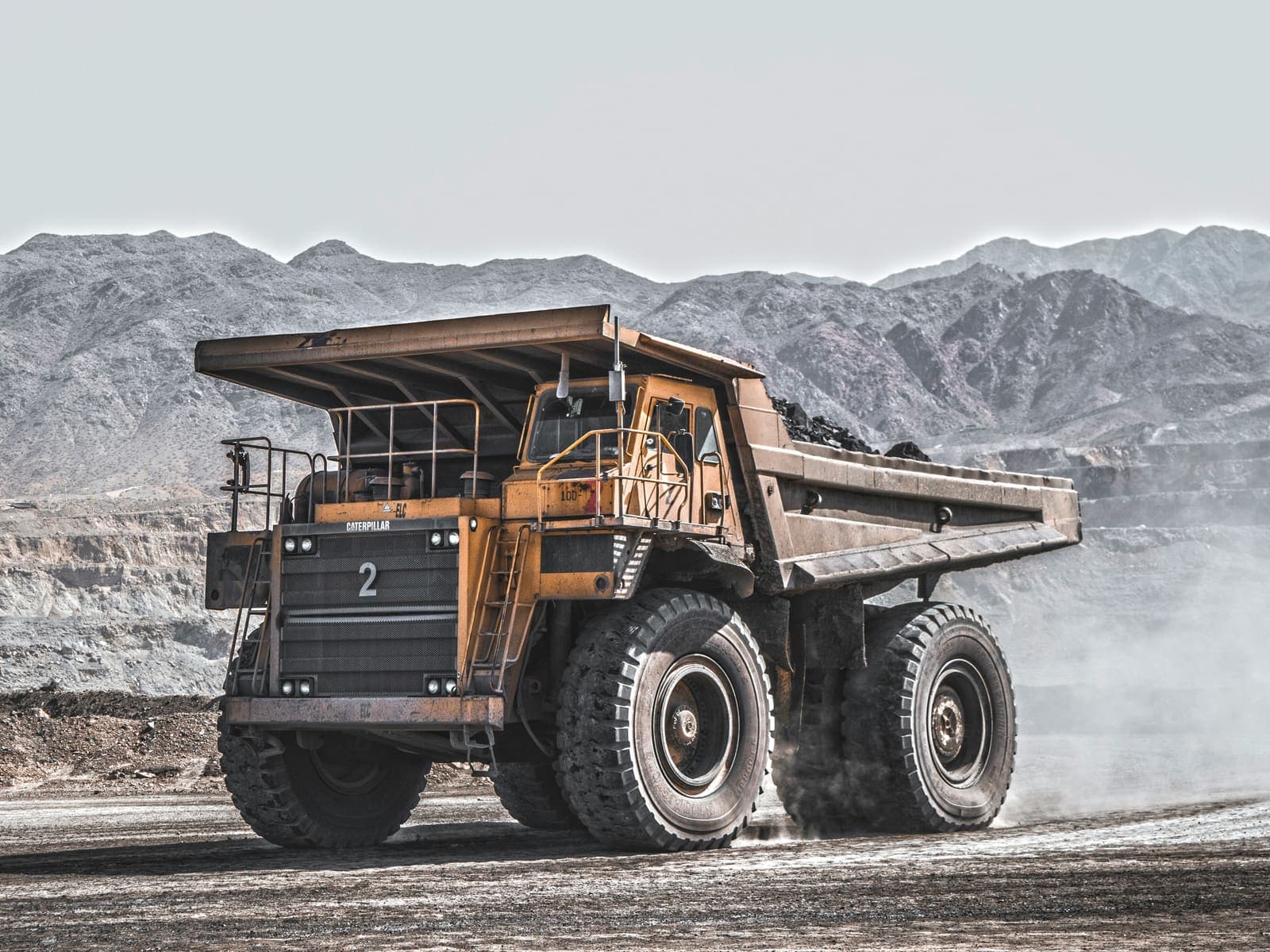
Nickel mine dust hazards for pit, haul road, and smelter workers: Indonesian limits for nickel and silica under Permenaker 5/2018, measurement, and controls.
Occupational health
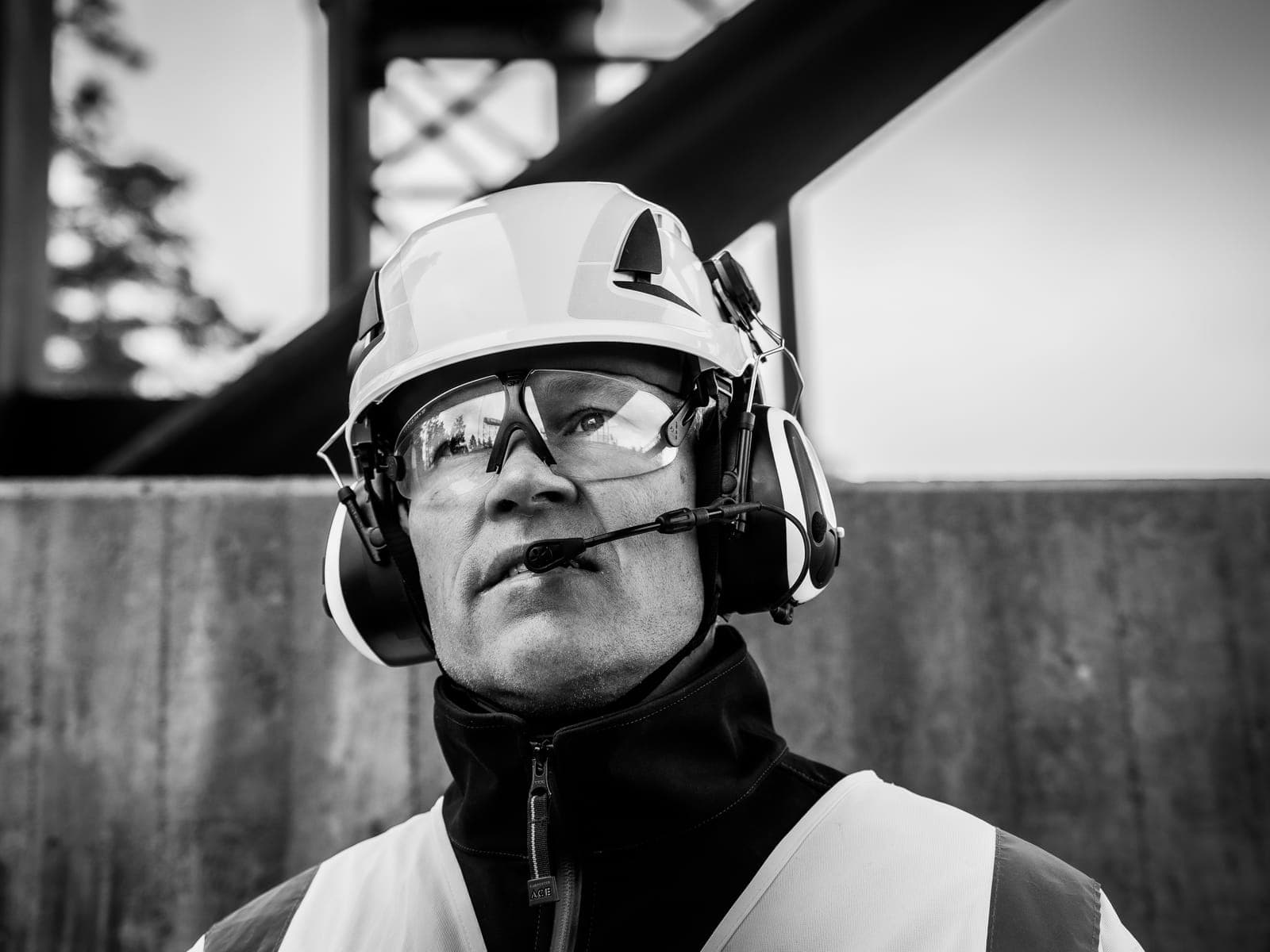
Indonesia's 85 dBA workplace noise limit and exposure table (Permenaker 5/2018), the 12-hour shift gap, audiometry for roster crews, and hearing loss follow-up.
Tell us the location, headcount, and work pattern. Our team will scope it realistically.
Discuss your site's needs