
 ID
ID EN
EN 中文
中文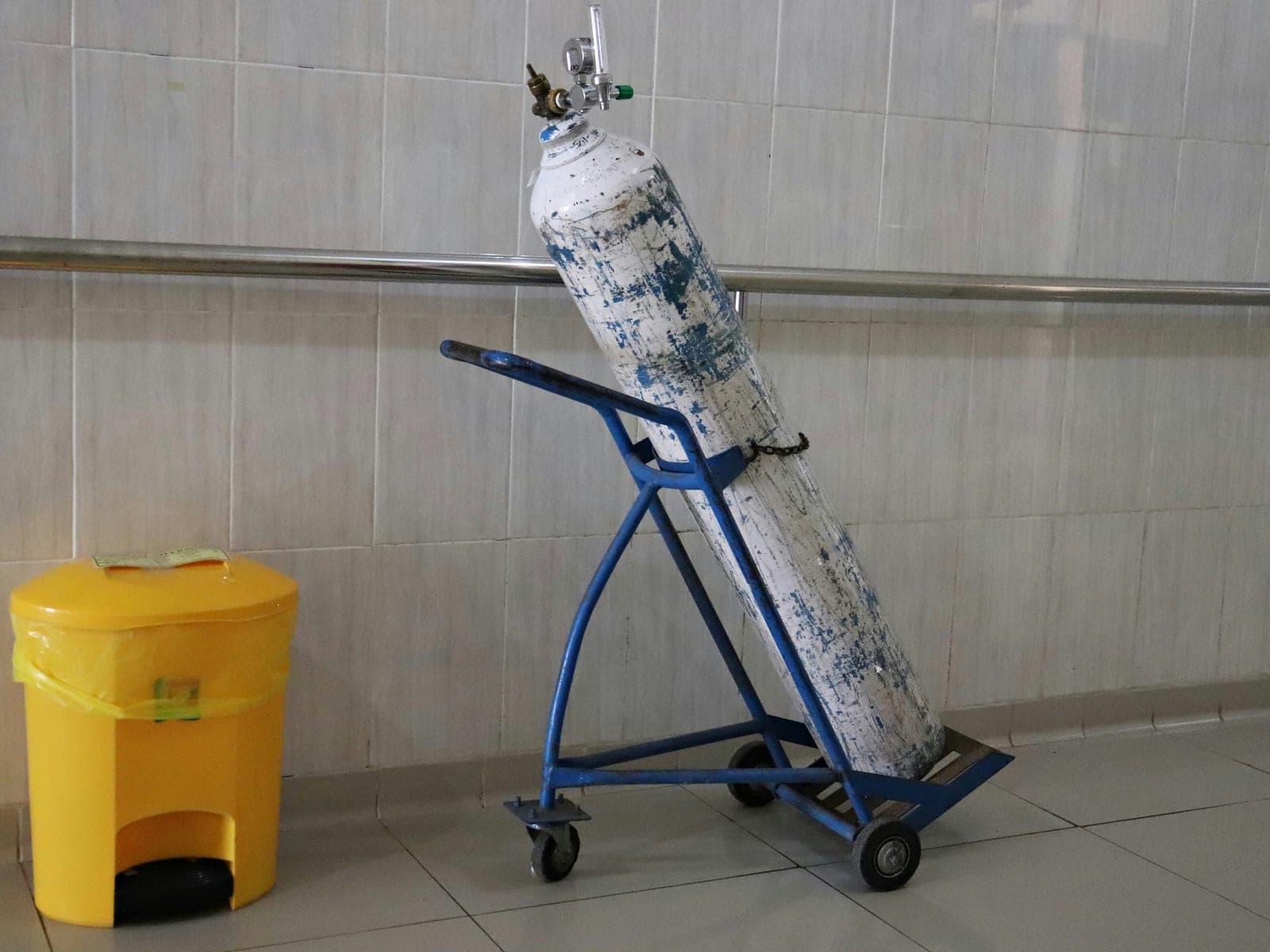
Site clinics
Medical oxygen tanks for site clinics: size, stock, safety
Medical oxygen cylinders for site clinics in Indonesia: what regulations require, what 1 m3 and 6 m3 mean, how to calculate stock, and safe storage.
Equipment & pharmacy
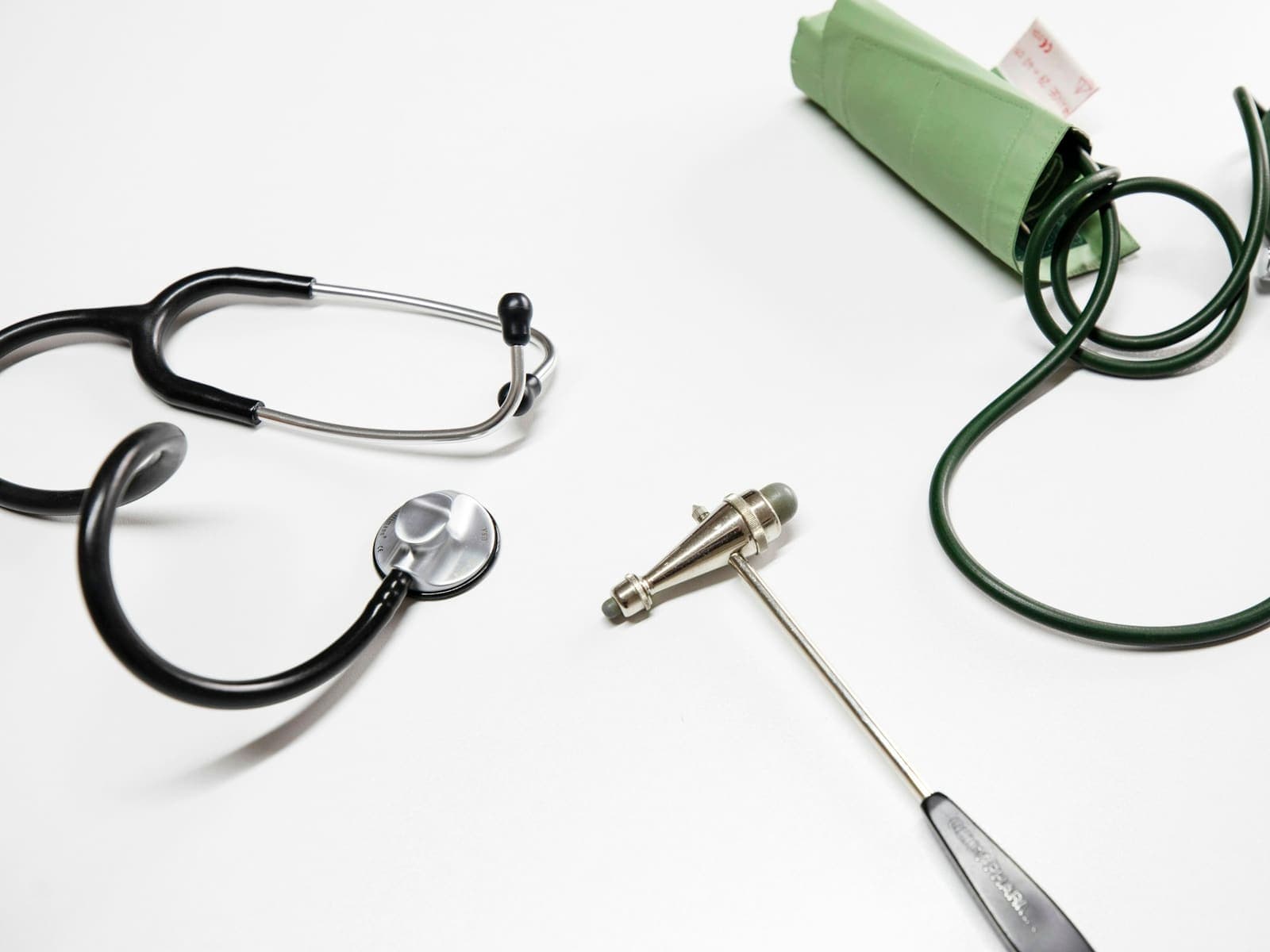
We prepare the medical equipment your facility actually needs, deliver it all the way to site, install it, and keep it ready for use.
Illustration · Photo: Markus Spiske / Unsplash
The right equipment for a site clinic is not necessarily the same as for a clinic in town. The work risks, the size of the workforce, the distance to the referral hospital, the power supply, and the room temperature all shape which equipment is needed and how it should be prepared.
That is why procurement starts with a needs list. We look at which services the facility will run, what equipment is already there, and the conditions on site. The result is a list of equipment with specifications, quantities, and the reasons behind them, which your medical and procurement teams can review before anything is bought.
Questions we ask at this stage:
The answers often change the list. Sophisticated equipment that is hard to maintain at a remote location can cause more trouble than simple, reliable equipment with spare parts that are easy to find.
The equipment we supply must be officially distributed and meet the regulations that apply in Indonesia. We ask suppliers for supporting documents, such as the marketing authorisation, user manual, and warranty card, and keep them with the inventory records.
Safety does not stop at paperwork. Equipment connected to power or medical gas has to be installed correctly and tested before use. For equipment that needs periodic calibration, the schedule is recorded from day one so it is not missed.
Shipping equipment to a remote site has its own challenges: damaged roads, several rounds of loading and unloading, and the weather. We plan the packaging and delivery route so equipment arrives in good condition, then check it again when it is received on site.
On arrival, equipment is installed and function-tested. The medical staff who will use it get a short introduction to its operation, cleaning, and the signs that it needs checking.
The handover is recorded: serial number, location, function test results, and the name of the person receiving it on site. This record starts the equipment's history, which is later used to schedule maintenance and trace the cause when something breaks.
No two sites are exactly alike. A mine clinic may need more complete trauma equipment, while a facility in an industrial estate mostly handles routine checks and MCU. We match the equipment set to the services being run, the size of the rooms, and how patients move from the examination room to the ambulance.
Equipment that fails when it is needed is as good as no equipment. We draw up maintenance schedules, record every repair, and track equipment nearing the end of its service life. For the equipment that matters most in an emergency, we recommend a backup or a clear replacement plan.
All these records go into regular reports, so your HSE team and facility managers can see the state of the equipment without waiting for an audit. When the equipment is also used by our onsite clinic or medical center services, the records are kept together.
ADR Medika is a new company, founded in 2026. We do not promise what we cannot yet prove; specifications, delivery schedules, and repair response times are written clearly into the proposal and contract.
How it works
Location, workforce size, and the work pattern at your site.
We review site readiness and the relevant services.
A clearly defined scope and pricing.
A mobilisation schedule agreed together.
Services run and are reviewed regularly.
Built for these sectors
Yes. The scope can be limited to procurement and delivery. We still recommend installation and function testing by a suitable technician, especially for equipment connected to power or medical gas, so it is truly ready when needed.
Yes, as long as the equipment is officially available and meets the regulations that apply in Indonesia. If another option is easier to maintain or its spare parts are easier to obtain at your location, we will raise it for your consideration, not insist on it.
Yes. We start by listing the existing equipment, its condition, and its maintenance history. From there we draw up a maintenance schedule and a list of items that need repair, calibration, or replacement.
A contingency plan is set from the start: which items need a backup on site, which spare parts to keep, and how a technician or replacement unit is sent. Response times are written into the contract based on access to the location.
Site clinics
Medical oxygen cylinders for site clinics in Indonesia: what regulations require, what 1 m3 and 6 m3 mean, how to calculate stock, and safe storage.
Site clinics
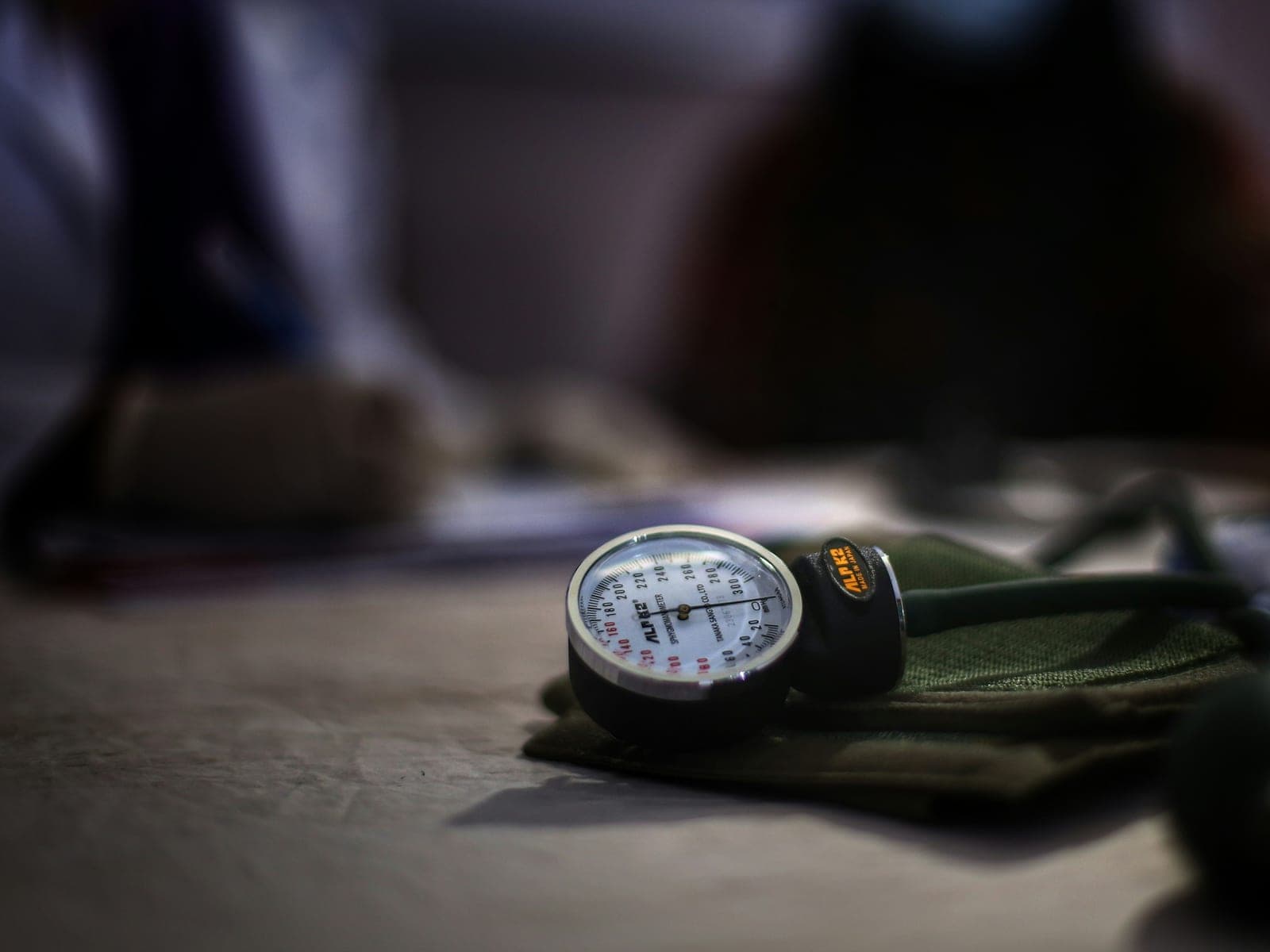
Which Indonesian rules now govern medical device calibration at site clinics, the fate of PMK 54/2015, PMK 15/2023 maintenance duties, and remote scheduling.
Site clinics
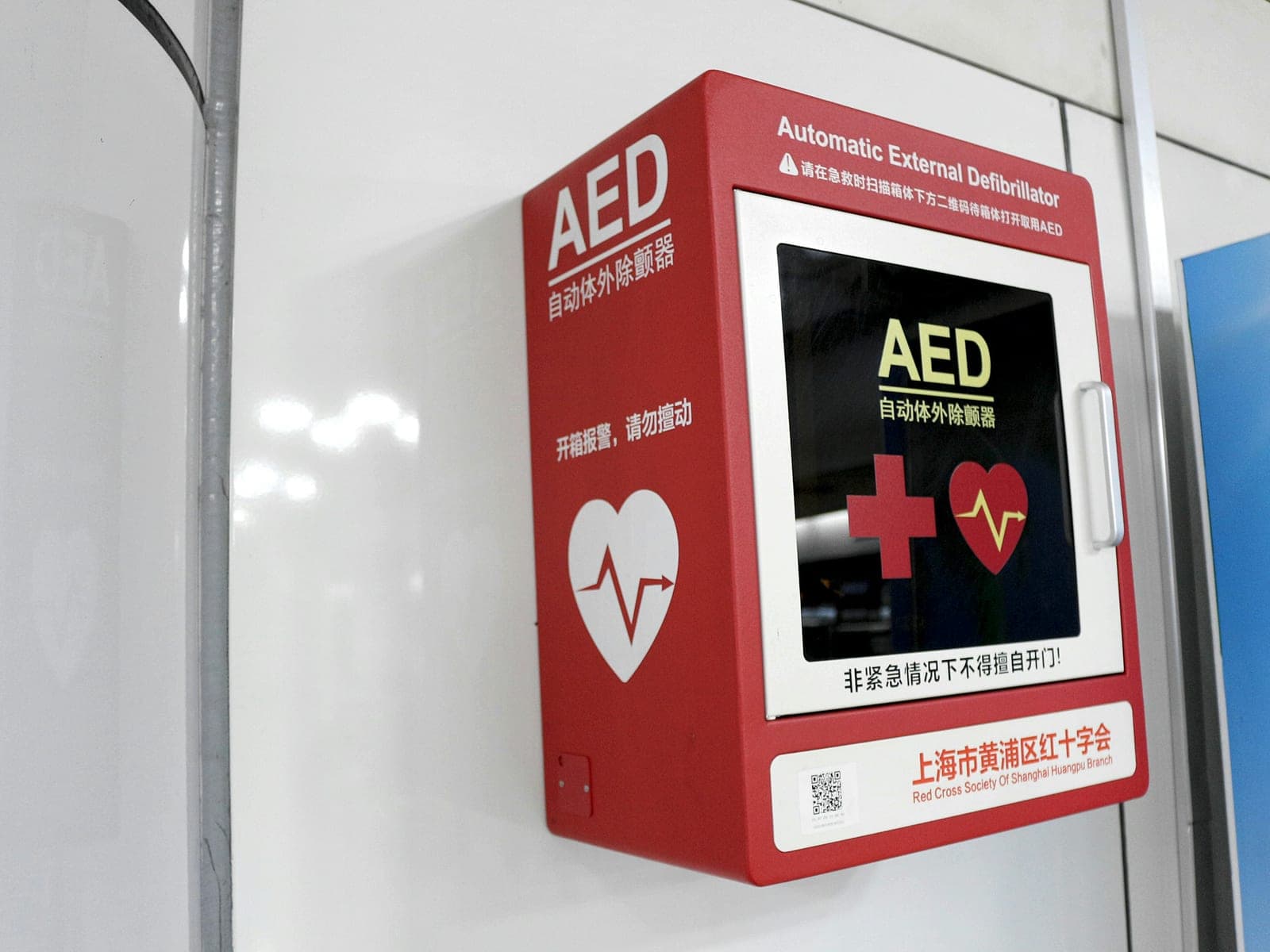
Where to place AEDs at mines, smelters, and plantations, how to keep batteries and pads ready in heat and dust, and how to spread trained responders by shift.
Tell us the location, headcount, and work pattern. Our team will scope it realistically.
Discuss your site's needs