ID
ID EN
EN 中文
中文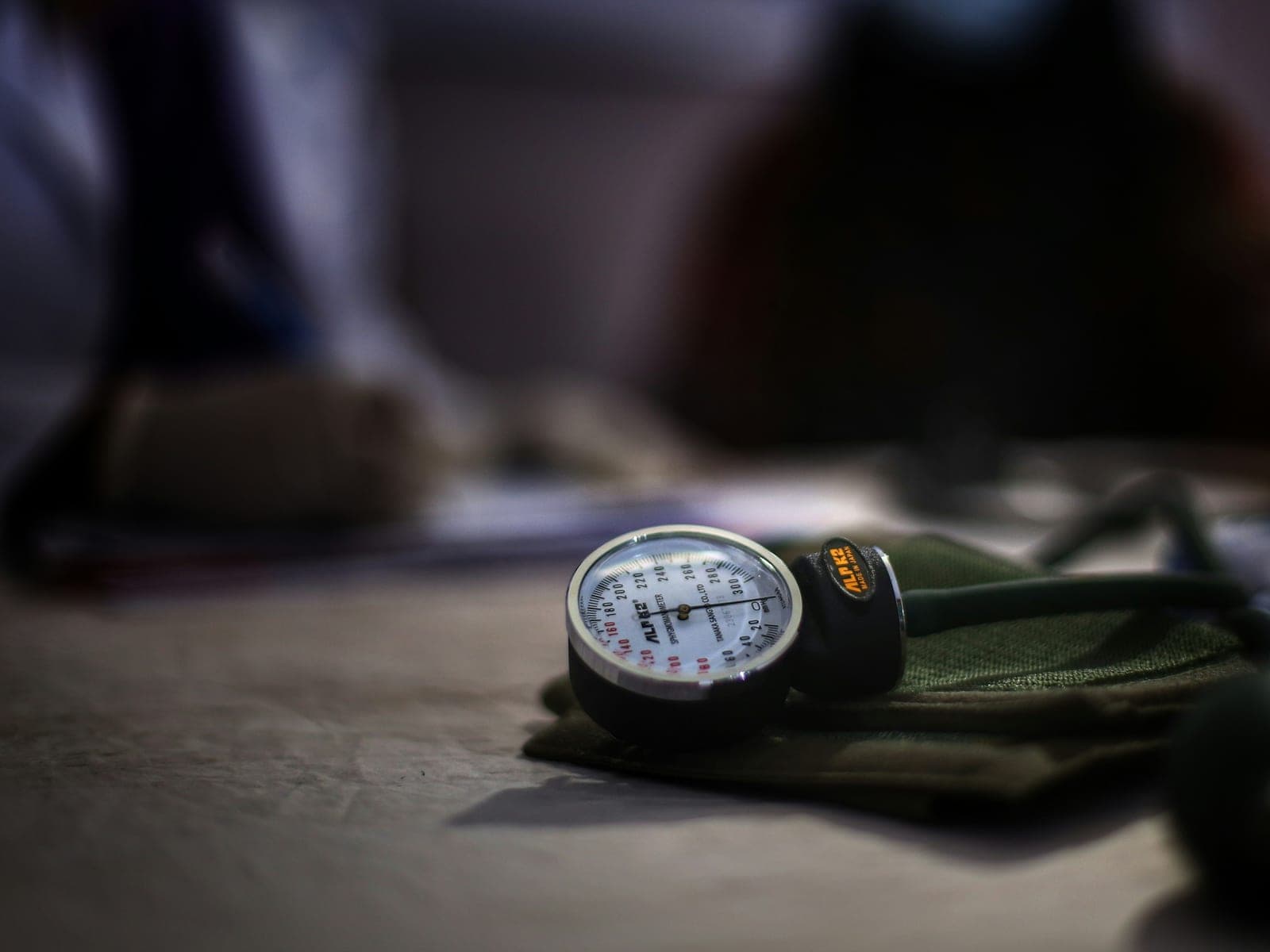
In Indonesia, medical device calibration at a company clinic is now governed by Minister of Health Regulation (Permenkes) No. 11 of 2025. Its standards for primary clinics (Klinik Pratama) and occupational health clinics (Klinik Kesehatan Kerja) require equipment that is safe, of good quality, and calibrated. The certificate and "fit for use" label issued by a medical device and facility safety institution (Institusi Pengamanan Alat dan Fasilitas Kesehatan, IPAFK) are valid for no more than one year, so every measuring device in the clinic needs recalibrating at least once a year to keep a valid label. The duty to maintain equipment comes from Permenkes No. 15 of 2023. Permenkes 54/2015, still widely quoted, has been revoked.
We wrote this for procurement teams and clinic managers at sites far from the cities where calibration providers are based.
Which calibration rules still apply?
The status of Permenkes No. 54 of 2015 on Testing and Calibration of Medical Devices has changed twice. In 2018, Article 93(2)(u) of Permenkes No. 26 of 2018 revoked it only as far as licensing requirements, procedures, and validity periods were concerned. Then Permenkes No. 5 of 2026 on Health Supplies, promulgated on 4 May 2026, revoked it entirely under Article 125(z). Both the Ministry of Health's legal database (JDIH) and peraturan.go.id now list it as no longer in force.
For a site clinic, what remains comes from three regulations:
| Regulation | What it covers |
|---|---|
| Permenkes 11/2025 | Clinics must use calibrated equipment; content and validity of IPAFK certificates and labels |
| Permenkes 15/2023 | The maintenance duty, its activities, minimum budget, and reporting |
| Permenkes 34/2021 | Calibration of measuring equipment in the clinic pharmacy, including storage thermometers |
Other clinic requirements, from rooms to ambulances, are covered in our article on site clinics at mines.
How often should medical devices be calibrated?
The one-year limit comes from the IPAFK standard in Permenkes 11/2025. A testing or calibration certificate is valid for up to one year from issue, unless other regulations say otherwise. The green "fit for use" label also lasts up to one year, while a device that fails is given a written statement and a red "not fit for use" label. The label shows the IPAFK's name, the device's identity, the test date, and the fit or unfit verdict, and must sit where it is easy to see and hard to peel off.
One year is the outer limit, not the only trigger. Article 8 of PMK 54/2015 used to require earlier testing or calibration when the instructions for use called for it, when a device's readings, output, performance, or safety were known to be off, after repair, after equipment that needs installation was moved or reinstalled, and when a device had no certificate yet. That article no longer applies, but we still treat the list as triggers for recalibration, because in each case the last calibration result can no longer be relied on. WHO makes a similar point: an inspection only shows that a device works at the moment it is checked, and cannot rule out a failure the next time it is used.
Which devices belong on the calibration schedule?
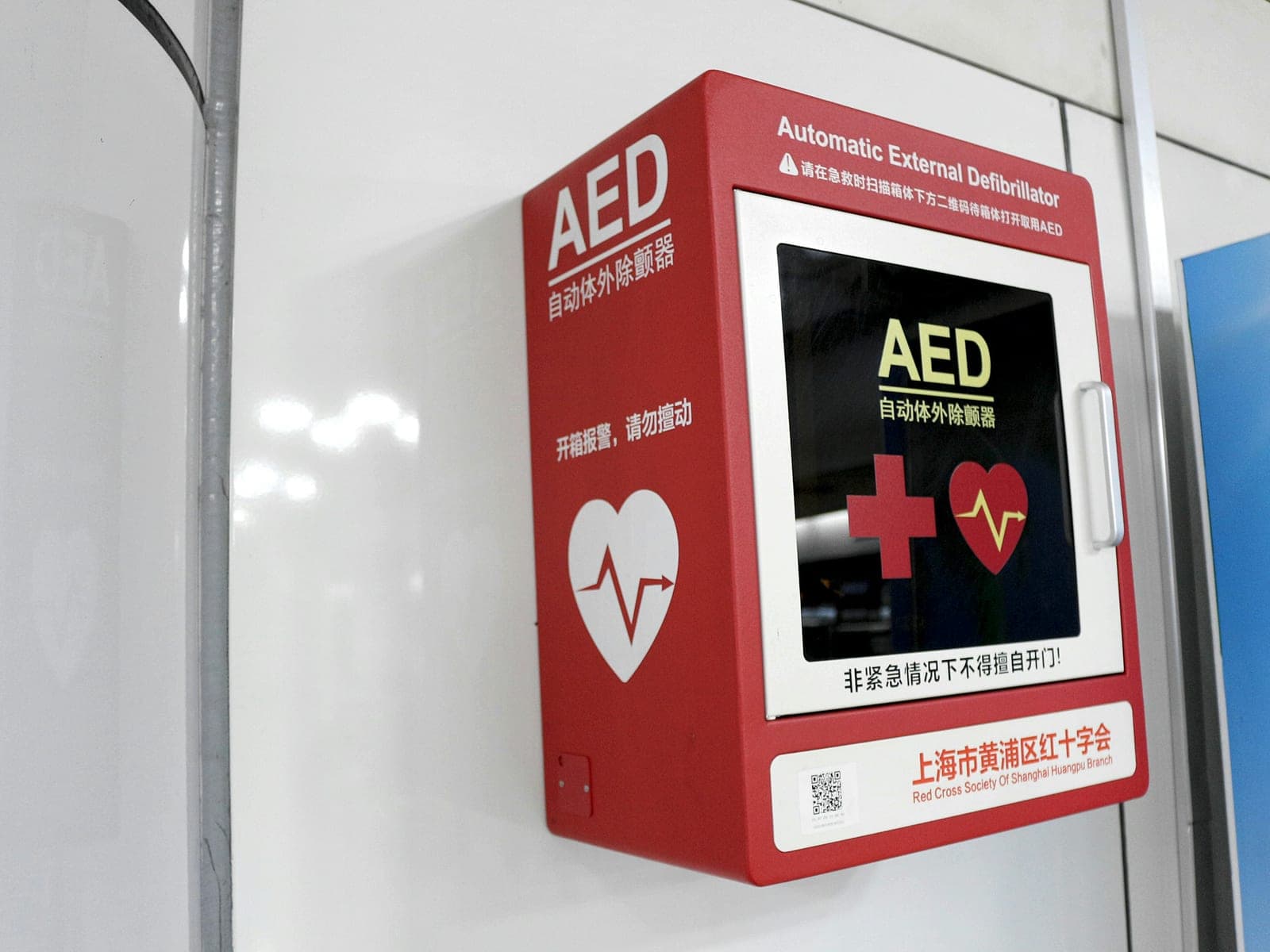
Permenkes 11/2025 does not list devices; clinic equipment standards are left to a separate ministerial decision. As a starting inventory we still use Annex I of PMK 54/2015, which classed sphygmomanometers, electronic thermometers, electronic patient scales, pulse oximeters, electrocardiographs, defibrillators including AEDs, aspirators, ultrasonic nebulizers, and oxygen concentrators as devices that had to be tested or calibrated. In other words, the blood pressure monitor on the examination desk belongs on the schedule too, not just the larger equipment. Routine AED checks, including batteries and pads, have their own piece: AEDs in the workplace.
The pharmacy has measuring equipment of its own. Chapter IV part B of the Annex to Permenkes 34/2021 requires equipment that needs measurement accuracy to be calibrated periodically by a health testing centre or another authorised institution, and mentions yearly calibration for certain equipment. The dispensing area in that section includes medicine scales, a refrigerator, and a room thermometer. The storage section (Chapter II part E) asks for room and refrigerator temperatures to be monitored with a calibrated thermometer and logged on a temperature card. We cover cold-chain monitoring in our article on managing medicines at site clinics.
What does maintenance involve under PMK 15/2023?
Article 2 obliges every health care facility to maintain its devices so they keep working properly and stay fit for use, and allows it to work with other parties. Article 3 splits maintenance into five activities:
- Inventory: recording data on the devices to be maintained.
- Promotive maintenance: instructions on using or operating the device.
- Function monitoring or inspection of every device before it is used.
- Preventive maintenance: cleaning, lubrication, and replacing parts and accessories that are due. The regulation's annex places calibration within scheduled preventive work.
- Corrective maintenance, from minor repairs up to overhaul.
Outside hospitals, maintenance is carried out by a regional government unit or a community-owned unit, meaning an incorporated company working in medical device maintenance (Article 4). Such a unit must register through a Ministry of Health application (Article 5), and its staff's competence is shown by a training certificate from an accredited training body (Article 6). The maintenance provider must record and report the type, number, and condition of the devices it has maintained every six months through a Ministry of Health application (Article 9). On budget, Article 8 requires the facility to set aside at least 4 percent of the asset value of its medical devices each year for maintenance.
When choosing a provider, ask for proof of registration, the technicians' training certificates, and a copy of the six-monthly report. For calibration, make sure the provider is an IPAFK, since Permenkes 11/2025 states that certificates and labels are issued by the IPAFK that carried out the testing or calibration.
How do you schedule calibration at a remote site?
WHO notes that in remote areas, a technician may need a day or more just to reach a local clinic. External providers sometimes find it uneconomical to serve distant locations with few devices and are more willing to come when a single contract covers a large inventory, which is why WHO suggests nearby health facilities consider working together. Based on that, this is how we work at site:
- All devices are scheduled into one technician visit. Newly arrived devices are calibrated early so their due dates line up with the rest.
- Technician visits are matched to the rotation flight or boat, so the technician travels in and out with the roster change.
- Small portable devices go off site with the rotation, while calibrated spare units cover for them in the clinic.
- Critical devices such as defibrillators, pulse oximeters, blood pressure monitors, and aspirators have spares, so the clinic is never without one while a unit is being calibrated or repaired.
- The technician visit is also offered to other contractors in the same area so the cost can be shared.
- Users check that a device works before using it, in line with the function monitoring activity in Article 3 of PMK 15/2023, and record the result at every shift and roster handover.
How do you protect devices from power problems, heat, and dust?
At site, equipment faults often start with the environment. WHO describes good electrical power as having a steady voltage, no spikes, surges, or dropouts, and only rare outages. Its suggested measures are voltage regulators, a UPS, surge protectors, not chaining extension leads together, and a working backup generator that switches to auxiliary power in under 10 seconds. Battery-powered equipment is another option. Permenkes 11/2025 itself asks occupational health clinics to have emergency power from a generator or UPS, especially where equipment must not lose supply.
WHO also warns that high temperature and humidity can damage equipment designed for temperate climates, so maintenance procedures may need adjusting to local conditions. We take each device's operating temperature and humidity limits from its manufacturer's manual. For dust from haul roads or crushers, we keep devices that are not in use in closed cabinets and clean filters and vents as the manual describes.
What documents do auditors look for?
| Document | What it should contain |
|---|---|
| Inventory list | Type, number, condition, serial number, and location of each device |
| Calibration and maintenance schedule | Due date per device, worked out from label validity |
| Calibration certificate | IPAFK name, device identity, date, validity, method, results, signature of the authorised officer |
| Label on the device | A green label still within its validity, or a red label on a device withdrawn from use |
| Maintenance card and repair log | Date, work done, parts replaced, technician's name |
| Pre-use check record | Function check result and who did it |
| Maintenance provider report | Copy of the six-monthly report |
Our medical equipment service covers inventory records and documents for every device, maintenance and calibration schedules, repairs, and backup plans for the most important equipment on site.