ID
ID EN
EN 中文
中文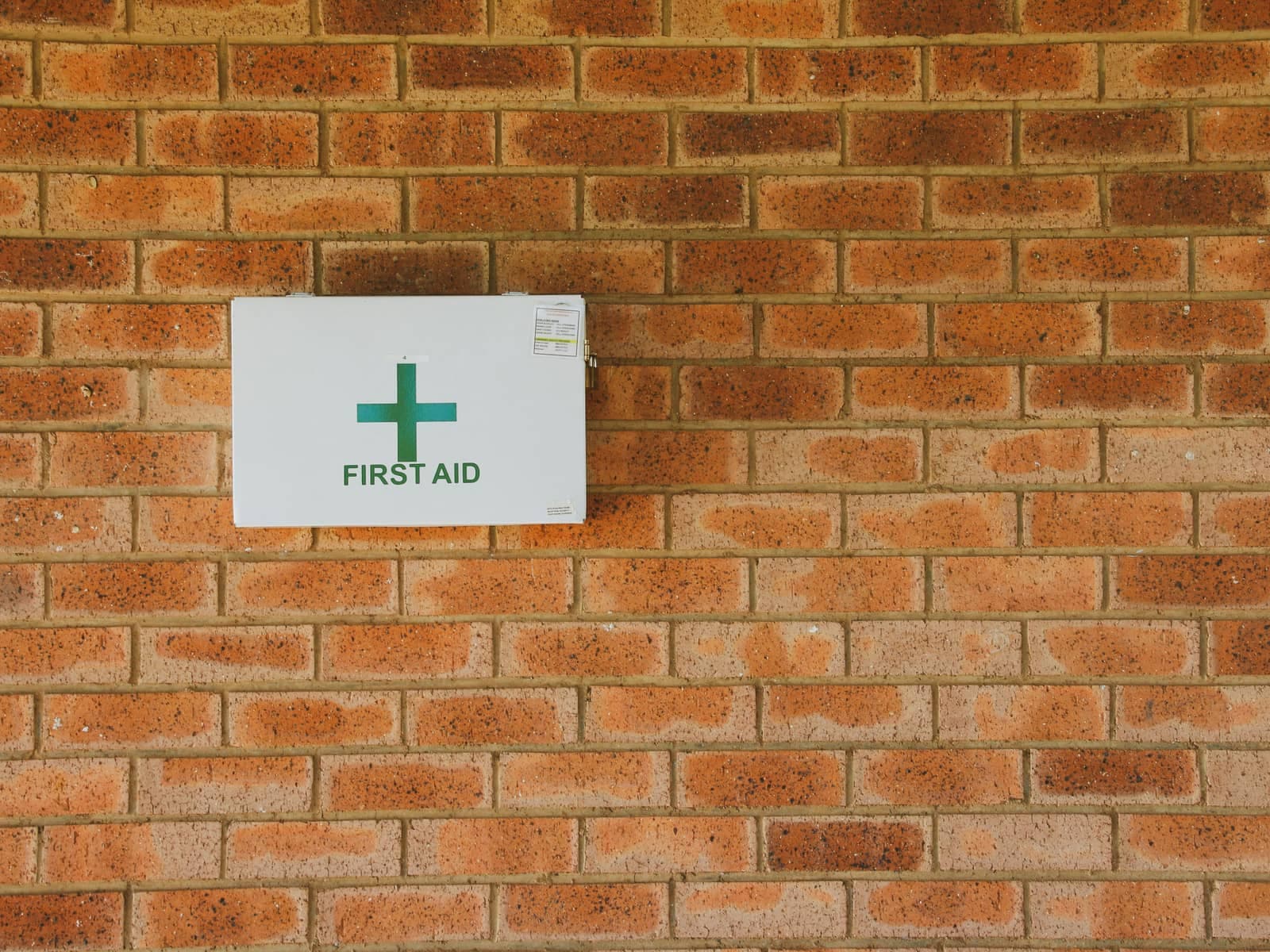
The contents of a workplace first aid kit in Indonesia are set out in Annex II of Minister of Manpower and Transmigration Regulation No. PER.15/MEN/VIII/2008. The annex lists 21 items, from sterile gauze, bandages, and plasters to a notebook and a contents list, in different quantities for kit A (25 workers or fewer), kit B (50 or fewer), and kit C (100 or fewer). The box must be sturdy and portable, white with a green first aid symbol, and may hold nothing that is not needed for first aid. People often search for the "latest" regulation, but when this article was written (late September 2026), the Ministry of Manpower's JDIH portal still listed PER.15/2008 as in force.
This article is for HSE and procurement teams building a first aid kit checklist or purchase specification, especially for sites with many work areas spread far apart.
Which first aid facilities are required?
The kit is only one of four first aid facilities in Article 8 of PER.15/2008. Employers must provide:
- a first aid room, where the workforce size or hazard level requires one;
- first aid kits and their contents;
- evacuation and transport equipment, meaning a stretcher or other way to move a casualty, and an ambulance or other vehicle that can carry them;
- additional facilities where the workplace has specific hazards, namely emergency personal protective equipment and special equipment such as a rapid body drench (shower) and eyewash.
At a smelter or any area that handles chemicals, the fourth item matters as much as the kit. Emergency showers and eyewash stations should be reachable from the work point without hunting for a key or passing through a locked door.
Contents of kits A, B, and C
The table below follows Annex II of PER.15/2008. In the official PDF on JDIH, the item names slip down one row from item 10 because "disposable gloves (pairs)" wraps onto two lines. The table here follows item numbers 1 to 21 in the annex, so each quantity sits with its own item. Columns A, B, and C give the quantities for kits A, B, and C.
| Item | Group | A | B | C | Check |
|---|---|---|---|---|---|
| Sterile gauze, individually wrapped | wound cover | 20 | 40 | 40 | packs sealed and dry |
| Bandage, 5 cm wide | bandage | 2 | 4 | 6 | rolls not damp |
| Bandage, 10 cm wide | bandage | 2 | 4 | 6 | rolls not damp |
| Adhesive tape, 1.25 cm wide | tape | 2 | 4 | 6 | still sticks well |
| Adhesive plasters | wound cover | 10 | 15 | 20 | wrappers not stuck together |
| Cotton wool, 25 g | consumable | 1 | 2 | 3 | kept in a closed bag |
| Triangular bandage | bandage | 2 | 4 | 6 | folded and clean |
| Scissors | tool | 1 | 1 | 1 | sharp and rust-free |
| Safety pins | tool | 12 | 12 | 12 | kept in a small container |
| Disposable gloves (pairs) | rescuer PPE | 2 | 3 | 4 | sizes that fit the first aiders |
| Masks | rescuer PPE | 2 | 4 | 6 | packs sealed |
| Tweezers | tool | 1 | 1 | 1 | clean |
| Torch | tool | 1 | 1 | 1 | batteries tested |
| Eye wash cup | tool | 1 | 1 | 1 | clean and not cracked |
| Clean plastic bags | consumable | 1 | 2 | 3 | not torn |
| Distilled water (100 ml saline solution) | fluid | 1 | 1 | 1 | seal and expiry date |
| Povidone-iodine (60 ml) | fluid | 1 | 1 | 1 | seal and expiry date |
| 70% alcohol | fluid | 1 | 1 | 1 | cap tightly closed |
| Workplace first aid guidebook | document | 1 | 1 | 1 | readable and intact |
| Notebook | document | 1 | 1 | 1 | blank pages left |
| Contents list | document | 1 | 1 | 1 | fixed inside the lid |
The group and inspection columns are our additions to make routine checks easier, not part of the regulation. Some copies of this list online get the saline volume or the tape wrong, so check purchase specifications against the official text on JDIH.
Annex II does not include oral medicines. Article 10(b) also prohibits putting anything in the kit that is not needed for first aid. Painkillers, antacids, and other medicines for workers are best handled by the clinic or health staff, not tucked into the first aid kit.
How many kits do you need?
Annex III sets the type and number of kits per work unit:
| Workers in one work unit | Kit options |
|---|---|
| Fewer than 26 | 1 kit A |
| 26 to 50 | 1 kit B, or 2 kit A |
| 51 to 100 | 1 kit C, or 2 kit B, or 4 kit A, or 1 kit B plus 2 kit A |
| Each further 100 | the same options as for 51 to 100 |
One kit B equals two kit A, and one kit C equals two kit B.
The phrase that matters is work unit. Under Article 10(c), where work units are 500 metres or more apart, each unit must have its own kits sized to its workforce. The same applies to each floor of a multi-storey building.
At a mine site, the kit map is usually much denser than a single calculation for the whole company would suggest. The pit, workshop, crusher, jetty, camp, and remote guard posts are each counted on their own. Several kit A boxes spread around often serve better than one kit C in the office, because the kit has to reach the casualty quickly.
Where should kits be placed?
Article 10(c) requires kits to be easy to see and reach, clearly signposted, well lit, and easy to lift when needed. On site, check each location against these questions:
- can night-shift workers see it with the lighting that is actually there;
- is it protected from rain, dust, and direct heat;
- can it be carried to the casualty, rather than locked in a room that closes at night;
- which first aider is responsible for it on each shift.
The last question ties the kit to a person. Looking after first aid facilities is one of a first aider's duties, as explained in our article on workplace first aiders.
When is a first aid room required?
Article 9 requires a first aid room where a company employs 100 or more workers, or fewer than 100 with high hazard potential. The room must be close to a toilet or washroom, close to an exit, easy to reach from the work area, and close to vehicle parking. It must be at least large enough for one patient bed with room for a first aider to move. It must also be clean, bright, and well ventilated, with a door and access wide enough to move a casualty, and a clear name sign.
At a minimum, the room must have a sink with running water, tissues or cloths, a stretcher, splints, a first aid kit with contents, a bed with pillow and blanket, storage for the stretcher or wheelchair, soap and a brush, clean clothing for the first aider, a waste bin, and waiting chairs where needed.
A first aid room is not a clinic. It is where a casualty is stabilised while transport is arranged, not where medical staff examine and treat patients. Sites far from hospital usually need both, as discussed in our article on mine site clinics.
Keeping kits stocked at a remote site
A kit that is complete on audit day can be empty a month later. Where the nearest medical supplier is days away, restocking needs planning like any other logistics:
- Scheduled checks. Item 21 of Annex II, the contents list, doubles as a checklist. The first aider records the check date, items used, and items close to expiry.
- Buffer stock at the site clinic. Keep spare kit contents at the clinic or medical store so used items can be replaced the same day instead of waiting for a shipment.
- Orders that match the supply run. Reorder before items run out, allowing for shipping time to site. A supply run that comes only every two weeks calls for a larger buffer.
- Vehicle kits. PER.15/2008 does not set specific contents for vehicle first aid kits. Good practice is to match kit A and check it at every vehicle handover.
What do SMK3 auditors assess?
Annex II of Government Regulation No. 50 of 2012 includes criterion 6.8.1: the company has evaluated its first aid equipment and ensures the first aid system meets regulations, standards, and technical guidelines. This is an entry-level criterion. Criterion 6.7.7, at the transition level, requires that the type, number, placement, and accessibility of emergency equipment meet regulations or standards and are assessed by a competent and authorised person. A kit map by work unit, inspection records, and restocking records are easy evidence for both.
Our medical equipment supply service covers sourcing and shipping first aid kit contents and first aid room equipment all the way to site, while our OHS and first aid training prepares the first aiders who look after and use them.