ID
ID EN
EN 中文
中文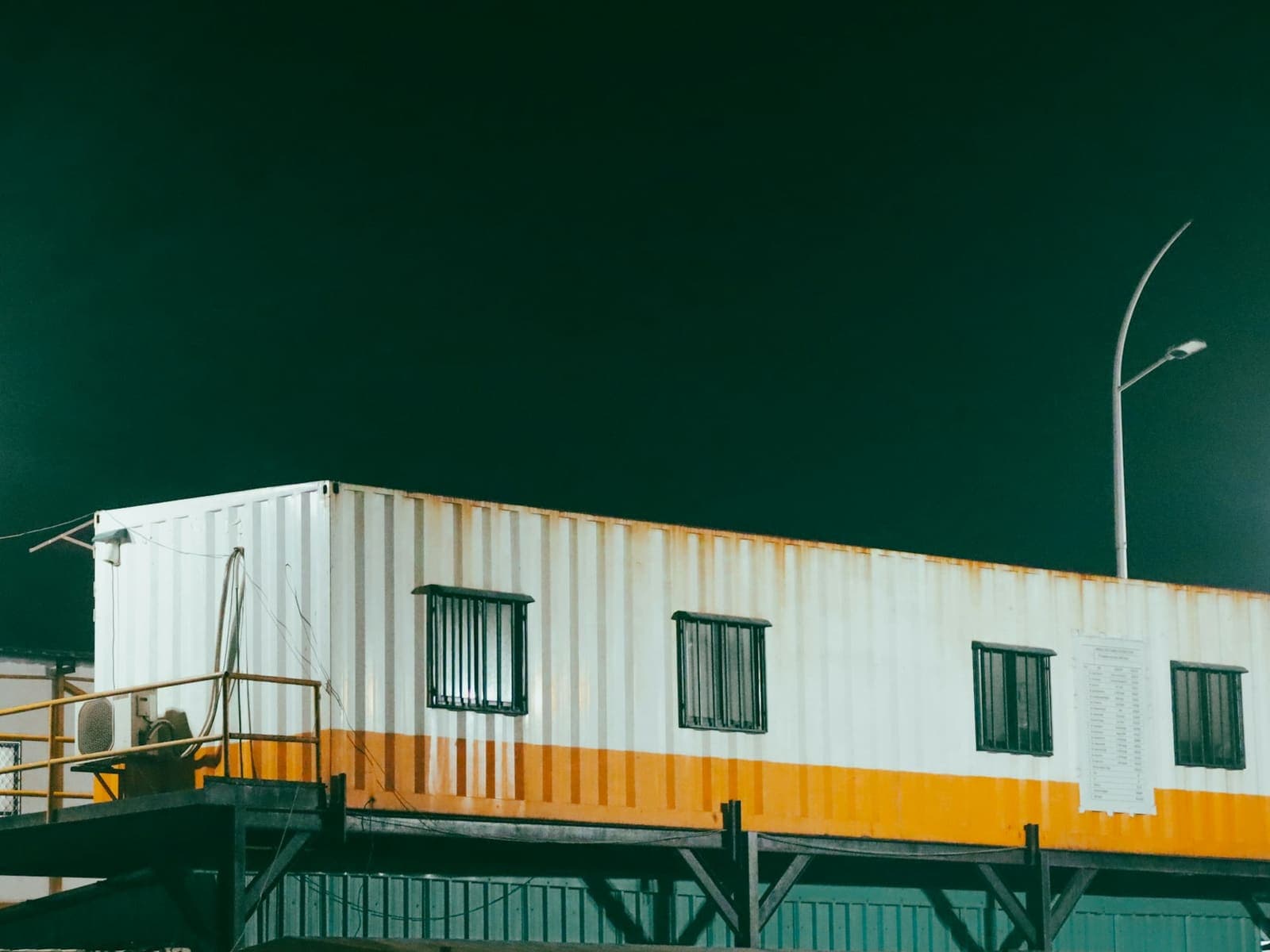
Mine sites are usually far from a hospital. Reaching the nearest health facility can take hours, sometimes over haul roads, by river, or by air. That makes the site clinic more than a place to see a doctor when someone feels unwell. It is part of the safety system: the first point of care after an accident, the place where workers' health is checked, and the starting point for referrals.
This article is for site management, HSE teams, and procurement staff who are planning a clinic. It covers facility requirements, the choice between a container unit and a building, medical staff working on a roster, and licensing for a company clinic in Indonesia.
Occupational health clinics under the Ministry of Health standard
Clinic licensing standards are currently set out in Minister of Health Regulation No. 11 of 2025. It defines a type of clinic called a supporting primary clinic (Klinik Pratama Pendukung), also called an occupational health clinic (Klinik Kesehatan Kerja): a clinic that serves only workers and/or their families and supports the main activity of a company or workplace. A clinic at a mine site usually falls into this category.
The standard divides occupational health clinics into two types:
- Type 1 for workplaces with fewer than 1,000 workers in one work environment. Workplaces with fewer than 100 workers may run a clinic jointly with the nearest other workplace.
- Type 2 for workplaces with more than 1,000 workers in one work environment and/or workplaces classed as high OHS risk under the regulations.
The clinic type sets the minimum staffing, facilities, and equipment. So the first planning step is to count the workers in one work environment and confirm your site's risk category.
Facility requirements
Under the Ministry of Health standard, an occupational health clinic must be inside or near the workplace, easy for workers and vehicles to reach, and not built in hazardous locations such as cliffs, landslide-prone ground, or areas exposed to hazardous chemicals. At a mine site, this means placing the clinic in the safest spot near the work area, with road access that ambulances can still use in the rain.
The rooms named in the standard are:
- an administration room;
- a waiting room;
- an examination room of at least 7 m², with a sink, hand disinfection, and one examination bed;
- a treatment room; and
- a toilet.
The examination room may be combined with the treatment and emergency room, as long as it fits two beds. Beyond the rooms, the clinic needs well-maintained utilities: ventilation, lighting, lightning protection, and communications such as a landline, radio, or other equipment that still works where there is no mobile signal. For Type 2 clinics, the standard also requires a land, water, or air ambulance suited to the location.
Equipment must be safe, of good quality, and calibrated. The clinic must also keep an emergency kit and a medical evacuation set. At a remote site, stock lists should allow for how long resupply takes, not just average use.
Container clinic or building?
Many sites consider container or modular units because they are quick to install, can be built off-site, and can be moved when the work area shifts. A conventional building takes longer to build but is easier to lay out and extend.
Before choosing, note one important requirement. The occupational health clinic standard in Regulation 11/2025 states that the clinic building must be permanent, with a strong, sturdy, and stable structure. If the clinic will be licensed as an occupational health clinic, check with the licensing authority first whether the planned construction meets this requirement.
Container units are still useful at mine sites for supporting roles, such as a first aid post in a work area far from the main clinic, extra waiting space, or a medical supply store. What to avoid is assuming that buying a container unit covers everything a clinic needs.
Whichever option you choose, a few points should be settled at the design stage:
- a separate clinic entrance, with no rooms shared with areas outside the clinic;
- stretcher and ambulance access wide enough and free of steep steps;
- backup power for equipment and lighting when the site supply fails;
- air conditioning for patient comfort and medicine storage;
- medical waste handling in line with regulations.
Medical staff and rosters
The Ministry of Health standard sets minimum staffing for each clinic type:
| Clinic type | Minimum staffing |
|---|---|
| Type 1 | 1 doctor, 1 nurse, and 1 administrator |
| Type 2 | 2 doctors (or 1 doctor plus 1 doctor with occupational, maritime, or aviation medicine competence as needed), 1 nurse, 1 occupational health officer, and 1 administrator |
These figures are a floor. The same standard says the type and number of staff can be increased to match workload and operating hours. Medical staff and health workers must also be competent in occupational health and medical emergencies.
At a mine site, the final headcount is almost always above the minimum. A site running 24 hours needs cover on every shift, and medical staff also work a roster, so some are always on leave off-site. We explain how to work this out in our article on calculating medical staffing for a 10:2 roster.
There are organisational requirements too. An occupational health clinic needs at least a clinic head, a person responsible for services, and a person responsible for operations. The clinic head and the person responsible for services must be medical staff and Indonesian citizens. If the clinic provides pharmacy services, the person responsible for them must be a pharmacist. The citizenship rule matters for companies with foreign management who plan to bring doctors from their home country. The same standard still allows foreign medical staff and health workers to work at the clinic with a foreign worker permit (IMTA); the citizenship requirement applies only to the clinic head and the person responsible for services.
Licensing a company clinic
A privately owned occupational health clinic is licensed through Indonesia's risk-based business licensing in the OSS (Online Single Submission) system. The clinic must be a unit of an incorporated business entity, such as a limited liability company, or another type of business entity permitted by regulation.
Regulation 11/2025 lists the documents to upload, including:
- the clinic establishment document from the workplace management;
- a clinic profile: services, organisational structure, number and qualifications of staff, scaled floor plans, a location map, and photos of the building and rooms;
- a self-assessment of facilities, utilities, and equipment;
- clinic policies and SOPs;
- a commitment letter to obtain practice licences (SIP) for medical staff and health workers once the clinic licence is issued;
- a commitment letter to complete accreditation within two years of licensing;
- a letter appointing the doctor in charge of the clinic;
- environmental management and monitoring documents.
Changes of name, address, or clinic type are also submitted through OSS. Relocation and type changes trigger a new field verification. This matters for sites where the work area moves: relocating the clinic means amending the licence, not just moving the building.
Licensing rules can change. Always check the latest version on the Ministry of Health JDIH portal or ask the local health office before applying.
Services the clinic provides
The Ministry of Health standard lists four groups of services for an occupational health clinic:
- promotive, such as education on health risk factors, OHS culture, and workplace nutrition;
- preventive, such as workplace health risk assessment, worker health examinations, fitness-for-work assessment, and occupational health surveillance;
- curative, such as first aid for injuries and illness at work, treatment of disease, and emergency care and referral;
- rehabilitative, meaning medical recovery and return to work.
In other words, a good site clinic does not just wait for patients. It helps monitor workers' health, for example through periodic medical check-ups, and helps the HSE team read patterns of complaints in each work area.
Every site's clinic needs are different, depending on headcount, hazards, and distance to the referral hospital. Our onsite clinic service covers facility planning, medical staff placed on your roster, and day-to-day clinic operations.