
 ID
ID EN
EN 中文
中文
Occupational health
Malaria prevention for site workers in endemic areas
Malaria prevention for rotational site workers in Indonesia: avoiding bites, doxycycline prophylaxis under national guidance, same-day blood tests, referral.
Clinics & medical teams
We design, build, and run a clinic right at your work site, staffed by medical personnel who rotate on the same roster as your site.
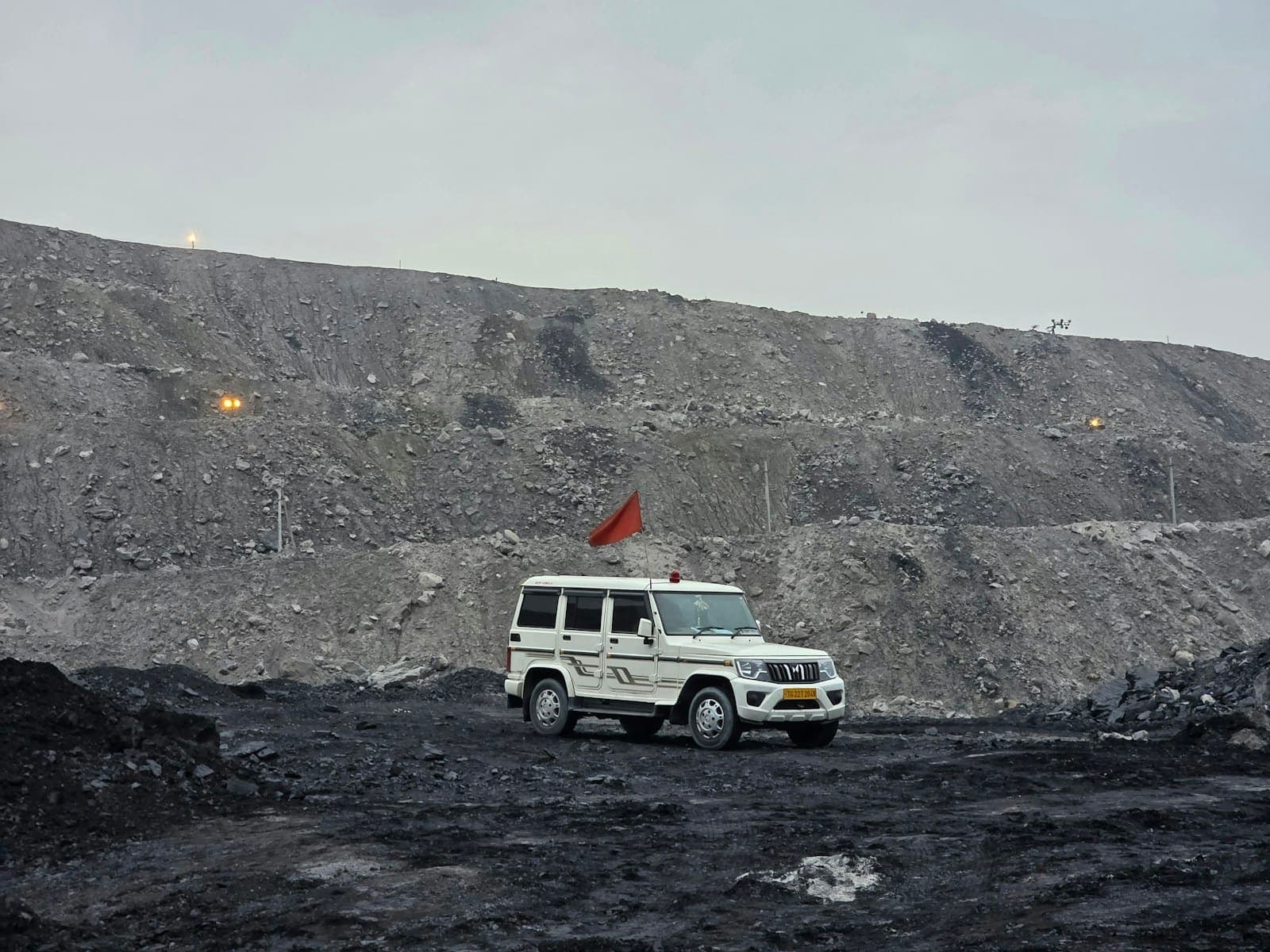
Illustration · Photo: Prahlad Inala / Unsplash
Mines, smelters, construction projects, and plantations are often far from the nearest hospital or community health centre. Getting to a health facility can take a long time, especially in bad weather or at night. In these conditions, first aid and initial assessment have to happen on site, by medical staff who are actually stationed there.
An onsite clinic becomes relevant when:
An onsite clinic does not replace a hospital. Its role is to handle everyday complaints, stabilise emergencies before referral, and keep worker health data on record.
Work starts with a site survey and needs assessment. We look at the size and work pattern of your workforce, the risks on site, the distance to referral facilities, and the facilities you already have. From there we draft a proposed scope: the clinic's format and layout, the number and type of medical staff, equipment, medicines, and ambulance needs.
Once the scope is agreed, we prepare the clinic until it is ready to use: building or fitting out the space, procuring equipment and medicines, and writing SOPs for daily care, emergency response, and referral. Visit records and regular reports are set up so your HSE team and site management can see the state of worker health without waiting for a major incident.
We also map the referral route: the nearest health facility able to handle serious cases, the route and estimated travel time, and how to coordinate when a patient has to be evacuated. The route is rehearsed with the site team and updated when conditions change, for example when the rainy season makes certain roads hard to pass.
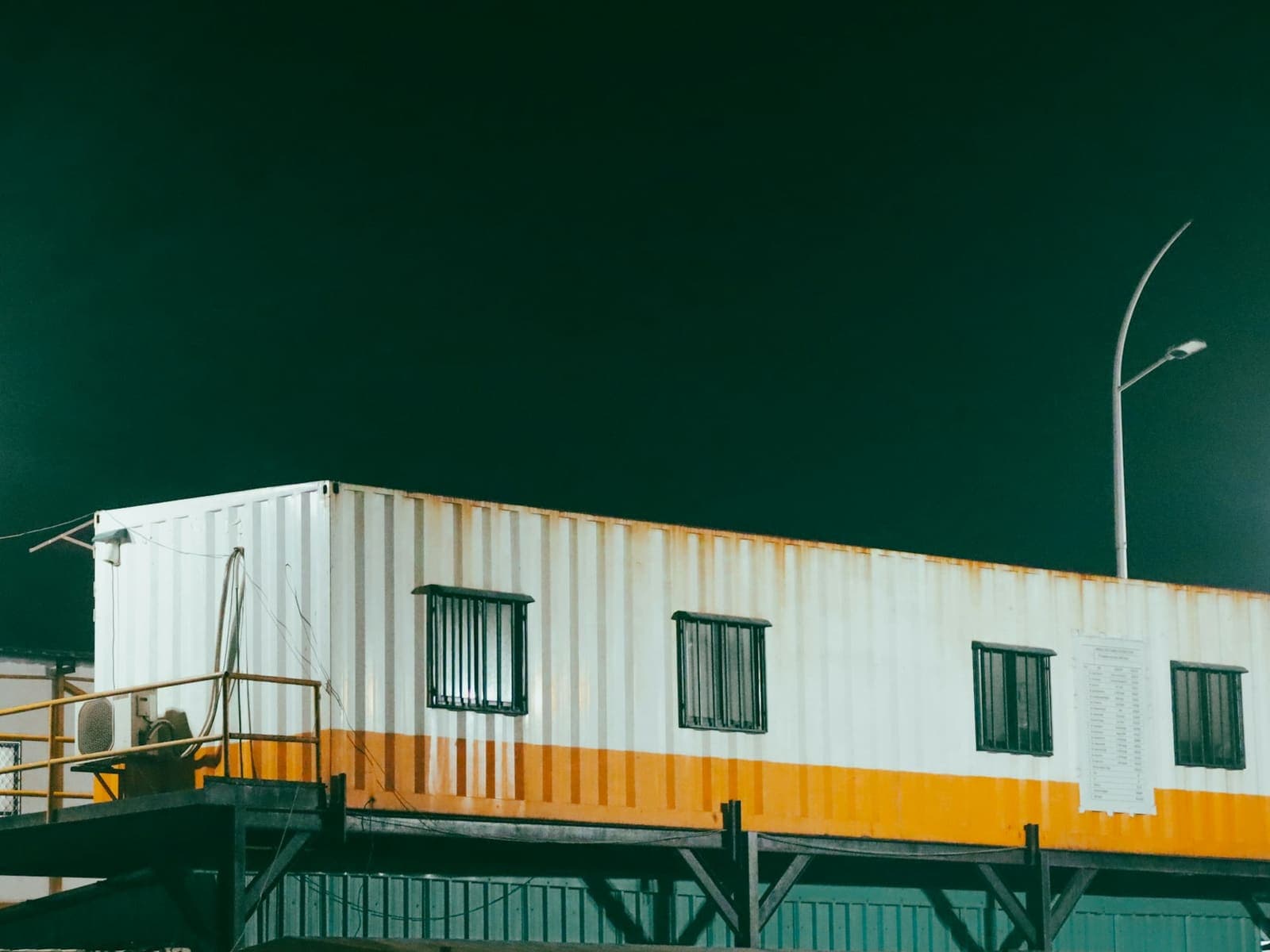
Not every site has a building that can serve as a clinic. For these locations, a container clinic is often the practical choice: the unit is prepared in advance, shipped to site, then installed and fitted out. A container clinic is also easier to relocate when the work area moves.
Whatever the format, we make sure the clinic has an examination room, a treatment room, proper medicine storage, and a clear path for moving patients to the ambulance. Building and licensing requirements for company clinics are covered in our article on mine site clinics.
Remote sites usually run on a roster system, and their medical staff need to rotate on the same pattern. We schedule doctors, nurses, and paramedics so the clinic is staffed on every shift, including during roster changeovers. How to work out the numbers is explained in our article on calculating medical staffing for a 10:2 roster.
When a member of the medical team is on leave, sick, or otherwise unavailable, we arrange a replacement so care is not interrupted. Every staff member is briefed on the site's SOPs, work risks, and referral routes before starting duty.
Regular reports cover the number of visits, the most common complaints, and the cases referred. Workers' personal medical data stays confidential and is shared only as far as necessary.
ADR Medika is a new company, founded in 2026. That is why we choose to work openly: scope, schedules, and responsibilities are written down clearly from the start, then reviewed together regularly once the clinic is running.
How it works
Location, workforce size, and the work pattern at your site.
We review site readiness and the relevant services.
A clearly defined scope and pricing.
A mobilisation schedule agreed together.
Services run and are reviewed regularly.
Built for these sectors
Yes. We start with a site survey, then propose the clinic format that makes the most sense: a container clinic, a renovated existing building, or a new building. Once the format is agreed, we prepare the equipment, medicines, medical staff, and working procedures.
Yes. The scope can be limited to placing doctors, nurses, or paramedics, or to running the daily operation of your existing clinic. We first review the clinic and your site's work pattern so that the placement fits what you actually need.
It depends on site access, the clinic format, permits, and the availability of medical staff. We do not promise a timeline before the survey. Once the assessment is done, the mobilisation schedule is written into the proposal and agreed in the contract.
We help prepare the requirements and documents needed under the applicable regulations, working with your HSE or legal team. Who is responsible for which permit is written clearly into the scope from the start.
Occupational health
Malaria prevention for rotational site workers in Indonesia: avoiding bites, doxycycline prophylaxis under national guidance, same-day blood tests, referral.

Medical staffing
Which foreign doctors may practise in Indonesia, STR and SIP licensing steps, RPTKA duties, and the limits for site clinics planning to bring their own doctor.
Site clinics
A guide to setting up a mine site clinic in Indonesia: required rooms and equipment, container or building, rostered medical staff, and clinic licensing.
Tell us the location, headcount, and work pattern. Our team will scope it realistically.
Discuss your site's needs