ID
ID EN
EN 中文
中文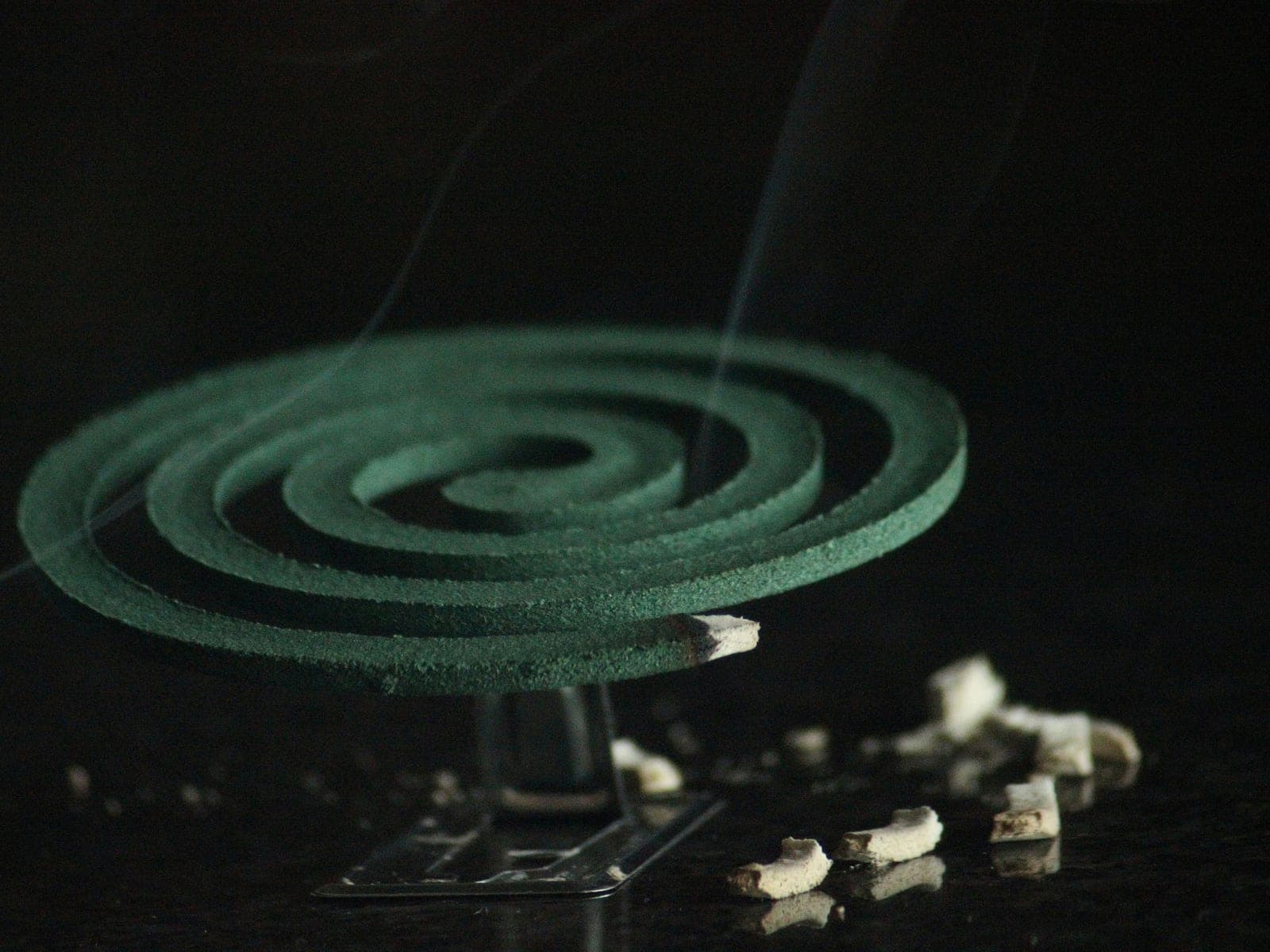
Preventing malaria on site comes down to three habits: avoid mosquito bites every night, get a blood test the same day you develop a fever, and take preventive medicine only when a doctor decides you should. Preventive medicine (chemoprophylaxis) does not replace bed nets and repellent. The Indonesian national guidance we reviewed names only one drug for chemoprophylaxis, doxycycline, and the Ministry of Health's 2018 Pocket Book on the Management of Malaria Cases says it should not be given for more than 6 months. In practice, a rotational worker who moves in and out of an endemic area all year cannot rely on tablets alone.
This article is written for rotational workers, particularly those who come from areas without malaria. There is a section for HSE teams at the end.
Why do rotational workers need extra care?
Malaria is caused by the Plasmodium parasite, which spreads through the bite of an infected female Anopheles mosquito. According to the Ministry of Health, malaria is still common in remote and hard-to-reach areas, which is exactly where many mines, smelters, and projects operate. The ministry recorded 418,546 confirmed malaria cases in Indonesia in 2023.
The Malaria Control Guideline, attached as the annex to Minister of Health Regulation (Permenkes) No. 22 of 2022, points to two things that will sound familiar on site. Development work, mining included, often changes the landscape in ways that create man-made mosquito breeding sites. People moving into endemic areas for work are also listed as a factor in transmission.
Your own body matters too. The 2018 Pocket Book notes that the classic pattern of chills followed by high fever and heavy sweating is usually seen in people from non-endemic areas. The World Health Organization (WHO) counts travellers among the groups at higher risk of severe infection.
How do you avoid bites in camp and at work?
The Malaria Control Guideline says Anopheles mosquitoes bite at night, from sunset until just before dawn, and some of them bite outdoors. It also notes that people who habitually stay outside until late at night are easily bitten where local mosquitoes feed outdoors. That description fits night-shift crews well.
What you can do yourself:
- Sleep under a bed net. According to the guideline, long-lasting insecticidal nets prevent bites and can kill mosquitoes that land on them. Report any net that is torn.
- Put repellent on exposed skin. WHO advises using a repellent containing DEET, IR3535, or icaridin after dusk.
- Cover up when outside at night. Long sleeves and long trousers appear in both the national guideline and the ministry's advice. Work coveralls help as long as your arms and legs stay covered.
- Keep the screens on camp doors and windows intact. A torn screen, or a door wedged open, defeats the purpose.
- Use mosquito coils or vaporisers in your room. WHO lists them as a way to lower the risk of being bitten.
- Report standing water around camp. The ministry recommends keeping drains flowing and draining stagnant water so mosquitoes cannot breed there.
Do site workers need preventive malaria medicine?
The National Guideline for Medical Services on Malaria Management, issued as Minister of Health Decree No. HK.01.07/MENKES/556/2019, says doxycycline chemoprophylaxis may be given to people travelling to high-risk malaria areas. In 2019 it gave Papua, West Papua, Maluku, and East Nusa Tenggara as examples. "May be given" makes it an option for a doctor to decide on, not a requirement for everyone.
The 2018 Pocket Book adds limits: doxycycline must not be given to pregnant women or children under 8, and must not be given for more than 6 months. The 6-month limit appears in the Pocket Book, not in the national guideline. Under both documents, the course also continues for several weeks after leaving the risk area, so a short roster break does not interrupt it. A worker who returns to an endemic area every few weeks can reach that limit quickly.
WHO guidance offers little help here. The September 2026 version of the WHO guidelines for malaria states that chemoprophylaxis is not covered in detail and that there are no formal recommendations yet for non-immune travellers. It only says that chemoprophylaxis for people with occupational exposure, such as miners, warrants consideration. Some websites list other preventive drugs, but the two national documents we reviewed name only doxycycline.
For that reason, at the site clinics we run, a doctor makes the chemoprophylaxis decision for each worker individually rather than applying a blanket policy. The doctor weighs the work location, length of assignment, roster pattern, pregnancy, medical history, and any other medicines being taken. On long assignments, bite prevention and early blood testing remain the main protection. Do not buy or take malaria medicine on your own.
Government programmes are a separate matter. Minister of Health Decree No. HK.01.07/MENKES/138/2024 sets up mass preventive drug administration for malaria in a number of districts and cities in the Papua region and East Kalimantan from 2023 to 2026. In East Kalimantan the target group includes people aged 15 to 60 who live or work in forests. If your site is inside a programme area, follow the guidance of the site clinic and the local community health centre (puskesmas).
Fever on site: why test the same day?
Under the national guideline, the main complaints in malaria are fever, chills, and sweating, sometimes with headache, nausea, vomiting, diarrhoea, and muscle aches. WHO notes that early symptoms are often mild and resemble other feverish illnesses, and usually start 10 to 15 days after the bite of an infected mosquito. Untreated falciparum malaria can become severe within 24 hours.
Only a blood test can confirm malaria. The national guideline calls microscopy the gold standard. Rapid diagnostic tests (RDTs) are used in emergencies, during outbreaks, and at facilities where microscopy is limited, and ideally they are backed up by microscopy. WHO asks that every suspected case be confirmed with a parasite test, with the result available within 2 hours of the patient arriving.
At our site clinics, any fever is treated as suspected malaria until a blood test shows otherwise, and antimalarial treatment is based on that result. For you, this means going to the clinic when you have a fever even if it feels like flu, and finishing your medicine as instructed if the result is positive. The national programme drugs, DHP and primaquine for uncomplicated malaria and injectable artesunate for severe malaria, need to be at the clinic before anyone needs them. Planning that stock for a site supplied by boat or plane is covered in our article on managing medicines at a site clinic.
When does malaria need referral?
The national guideline lists the signs of severe malaria: reduced consciousness, high fever, yellowing of the skin or eyes, passing little urine, dark brown urine, seizures, and extreme weakness. A patient with these signs must be referred promptly to a better-equipped facility. The 2018 Pocket Book tells clinics without inpatient beds to refer severe cases directly, after giving an initial dose of artesunate. WHO explains why: the risk of death from severe malaria is highest in the first 24 hours, while referral journeys in endemic areas are usually long.
For a site far from a hospital, that referral means a medical evacuation. How to prepare for one is covered in our article on medical evacuation from remote sites.
What if you get a fever after going home on leave?
Symptoms can start after you are already home. A doctor in an area without malaria may not think of it, even though both the national guideline and the Pocket Book ask that every patient with a fever be asked about travel to, or residence in, an endemic area. WHO likewise asks health workers in places with very few cases to identify feverish patients who have recently been in an endemic area.
We give workers heading off on leave a card carrying this message. Once you have recovered from malaria, a doctor assesses whether you are ready to return to site, as explained in our article on fitness to work for site workers.
Notes for HSE teams
- Check the legal basis. Permenkes No. 3 of 2026 on Disease Control revoked Permenkes 22/2022, except for Article 29 and its Annex. The Malaria Control Guideline in that Annex remains in force.
- Camps and work areas are within the scope of vector control. Permenkes 3/2026 requires anyone managing a workplace to carry out environmental health measures, and vector control explicitly covers workplaces. Add bed nets, screens, and standing water to routine camp inspections.
- The site clinic must record and report. Every health facility is required to record and report disease occurrence routinely and periodically, and a failure to do so can lead to administrative sanctions. The malaria guideline asks clinics that diagnose and treat malaria to report their data to the district or city health office, either directly through SISMAL, the national malaria information system, or through the local puskesmas when cases are very few.
- Brief workers at induction and before leave. New starters from non-endemic areas need to know how to use a bed net and when to come to the clinic.
- Watch for patterns by area. If cases cluster in one work area or accommodation block, inspect the surroundings together with the camp manager.
Our onsite clinic service provides medical staff who rotate with your roster, medicines and medical equipment, referral SOPs, and routine records and reporting for your site.