ID
ID EN
EN 中文
中文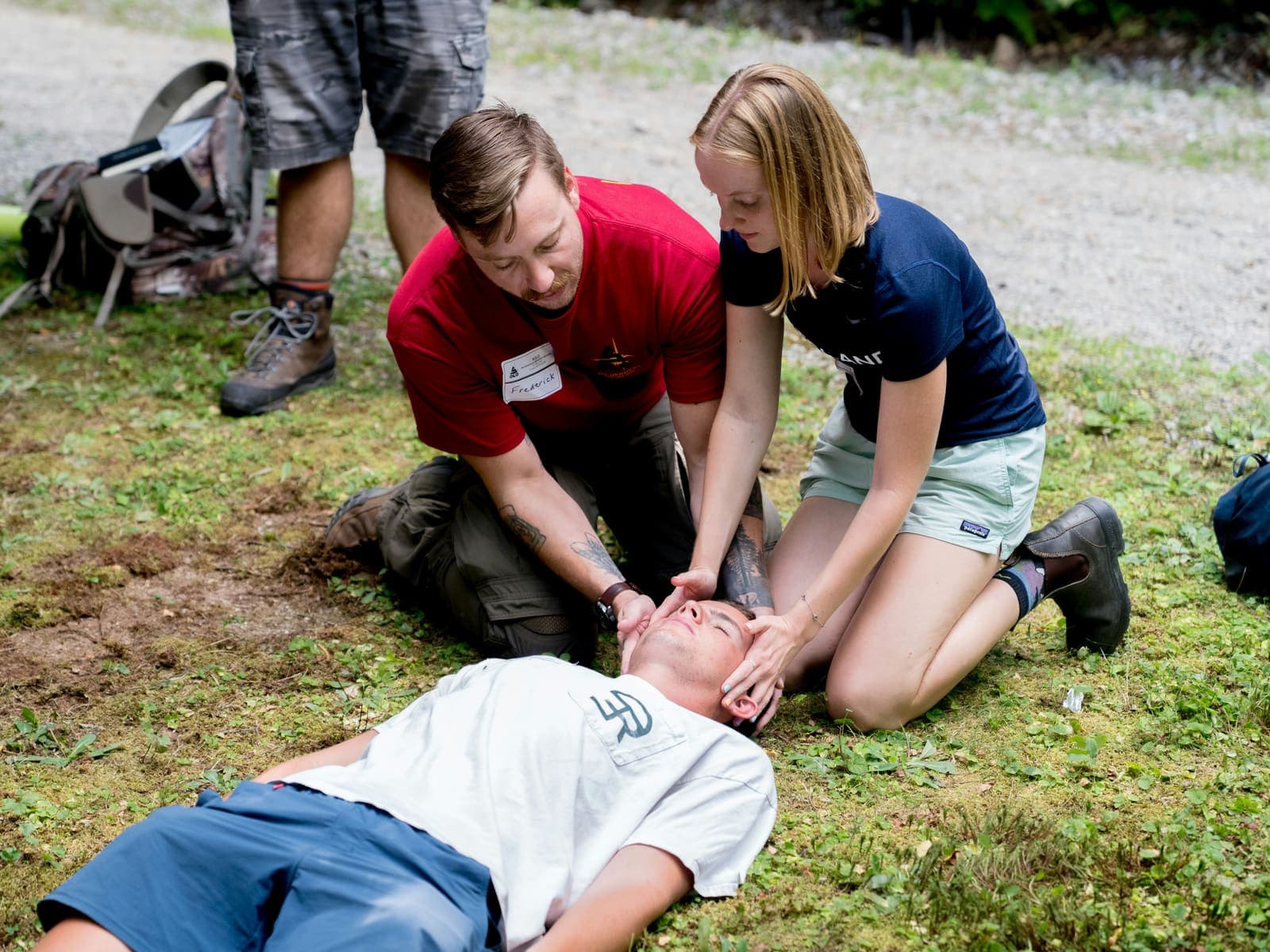
In Indonesia, a workplace first aider (petugas P3K) is an ordinary employee whom the company appoints to give first aid on top of their normal job. The rules are in Minister of Manpower and Transmigration Regulation No. PER.15/MEN/VIII/2008. The minimum number comes from a ratio: one first aider for every 150 workers or fewer where the hazard potential is low, and one for every 100 workers or fewer where it is high. That ratio is only the starting point. First aiders must also be available on every shift, on every floor of a multi-storey building, and in every work unit that is 500 metres or more from the others. Each first aider needs a licence and a first aid logbook issued by the local manpower authority.
This article is for HSE and HR teams deciding who to appoint and how many, particularly at mine sites, smelters, and projects that run on shifts and rosters.
Who can be a workplace first aider?
PER.15/2008 defines a first aider as a worker appointed by the employer or site management and given first aid as an additional duty. The word that matters is additional. First aiders are operators, mechanics, supervisors, or office staff who step in when a colleague is injured or suddenly falls ill. Article 4 allows them to leave their main work to help.
The obligation rests on Law No. 1 of 1970 on Work Safety. Article 3(1)(e) lists first aid for accidents among the aims of work safety requirements, and Article 9(3) requires management to train all workers under them, including in first aid. Article 2 of PER.15/2008 then splits the duty: the employer provides first aiders and first aid facilities, and site management carries out first aid at the workplace.
First aiders are not the clinic's doctors and nurses. They do not diagnose or treat. Their job is to keep the casualty going until medical staff take over. Clinic staffing is calculated differently, as explained in our article on calculating medical staff for a roster.
How many first aiders do you need?
Annex I of PER.15/2008 sets these ratios:
| Workplace classification | Number of workers | Minimum first aiders |
|---|---|---|
| Low hazard potential | 25 to 150 | 1 |
| Low hazard potential | more than 150 | 1 for every 150 workers or fewer |
| High hazard potential | up to 100 | 1 |
| High hazard potential | more than 100 | 1 for every 100 workers or fewer |
PER.15/2008 does not say which sectors count as high hazard. As a reference point, the elucidation of Article 16(2) of Government Regulation No. 50 of 2012 on OHS management systems gives mining and oil and gas as examples of companies with high hazard potential. Base your site's classification on its hazard identification and record the reasoning.
Article 5(2) is often missed, yet it drives the numbers on the ground. Site management must make first aiders available:
- where work units are 500 metres or more apart;
- on each floor of a multi-storey building;
- where work is organised in shifts.
Each of these is still sized by the number of workers and the hazard potential of that unit, floor, or shift. A first aider in the office does not cover a pit several kilometres away, and a day-shift first aider does not cover the night shift.
Worked example for a shift and roster site (illustration)
Picture a site running two 12-hour shifts. The pit, workshop, crusher, and jetty are each more than 500 metres apart, and the whole site is treated as high hazard. The worker numbers below are made up to show the method.
| Work unit | Workers per shift | First aiders per shift | Shifts | First aiders on site |
|---|---|---|---|---|
| Pit | 180 | 2 | 2 | 4 |
| Workshop | 60 | 1 | 2 | 2 |
| Crusher | 40 | 1 | 2 | 2 |
| Jetty | 30 | 1 | 2 | 2 |
| Office (day only) | 50 | 1 | 1 | 1 |
| Total | 11 |
Those eleven people must be on site every day. Because workers rotate off site for leave, the number trained and licensed has to be higher. On a roster of 10 weeks on and 2 weeks off, the multiplier is (10 + 2) ÷ 10 = 1.2, so 11 × 1.2 = 13.2, rounded up to 14. Then add a margin for first aiders who fall ill, change jobs, or resign. The roster multiplier works the same way as it does for medical staff.
Build the schedule name by name as well. If both pit first aiders on the same shift are rostered off at the same time, that shift is short even though the total looks right.
Requirements and licensing
Article 3 of PER.15/2008 requires every first aider to hold a licence and a first aid logbook from the head of the local government office responsible for manpower. To be licensed, a candidate must:
- work for the company concerned;
- be physically and mentally healthy;
- be willing to be appointed as a first aider;
- have basic first aid knowledge and skills for the workplace, shown by a training certificate.
The licence and logbook are issued free of charge. Training and licensing guidelines are set by a decision of a director general at the Ministry of Manpower. Because the technical requirements sit in those guidelines, ask the local manpower office which training it accepts as the basis for a licence before you enrol workers. The licence comes from the manpower authority, not from the training provider.
The requirement to work for the company concerned matters on sites with many contractors. A contractor's first aiders belong to the contractor, so agree in writing how first aid cover is split between the site owner and each contractor, area by area.
What does a first aider do?
Article 6 lists four duties: give first aid, look after first aid facilities, record every first aid activity in the logbook, and report that activity to site management. Under Article 7, management must post the names and locations of first aiders where people can easily see them, and first aiders may wear a distinctive sign so they are easy to recognise.
On a large site, post those notices in every work unit and update them at each roster change. The radio channel or call sign of whoever is on duty today is more useful than a list of names that does not say who is actually on site.
The logbook is more than paperwork. Small cuts, sprains, or heat complaints recorded across several units can reveal a pattern that incident reports miss. Ask the site clinic to review a summary of the logbooks with the HSE team at regular intervals.
The response chain from first aider to referral
The first aider is the first link. After first aid, the casualty needs to reach the site clinic and, if needed, be referred on. Article 11 of PER.15/2008 counts evacuation and transport equipment as part of first aid facilities: a stretcher or other means to move the casualty, and an ambulance or vehicle that can carry them. What the clinic does next is covered in our article on mine site clinics.
In practice, this chain needs testing. A joint drill with first aiders, drivers, and the clinic team will expose weak points such as a radio that does not reach the pit or a stretcher that does not fit the vehicle.
Training should also go beyond the basics where the site calls for it. First aiders at a smelter need practice with burns, those around heavy equipment need practice with crush injuries, and almost every tropical site needs first aiders who can recognise heat illness.
What do SMK3 auditors check?
Annex II of Government Regulation 50/2012 contains two first aid criteria. Criterion 6.8.1 asks the company to evaluate its first aid equipment and ensure the first aid system meets regulations, standards, and technical guidelines. Criterion 6.8.2 asks that first aiders are trained and appointed in line with regulations. Both are entry-level criteria, so they are checked from the most basic assessment onward.
Have the evidence ready: appointment letters, copies of licences and logbooks, the first aider schedule by shift and work unit, and the posted notices.
Minister of Manpower and Transmigration Regulation No. PER.03/MEN/1982 on Occupational Health Services also lists first aid and first aider training among the core tasks of occupational health services. The company doctor or site clinic should therefore help review training content and first aider readiness.
Our OHS and first aid training builds course content around site risks and schedules it around the roster, while our onsite clinic service sets up the clinic that takes over after first aid.