ID
ID EN
EN 中文
中文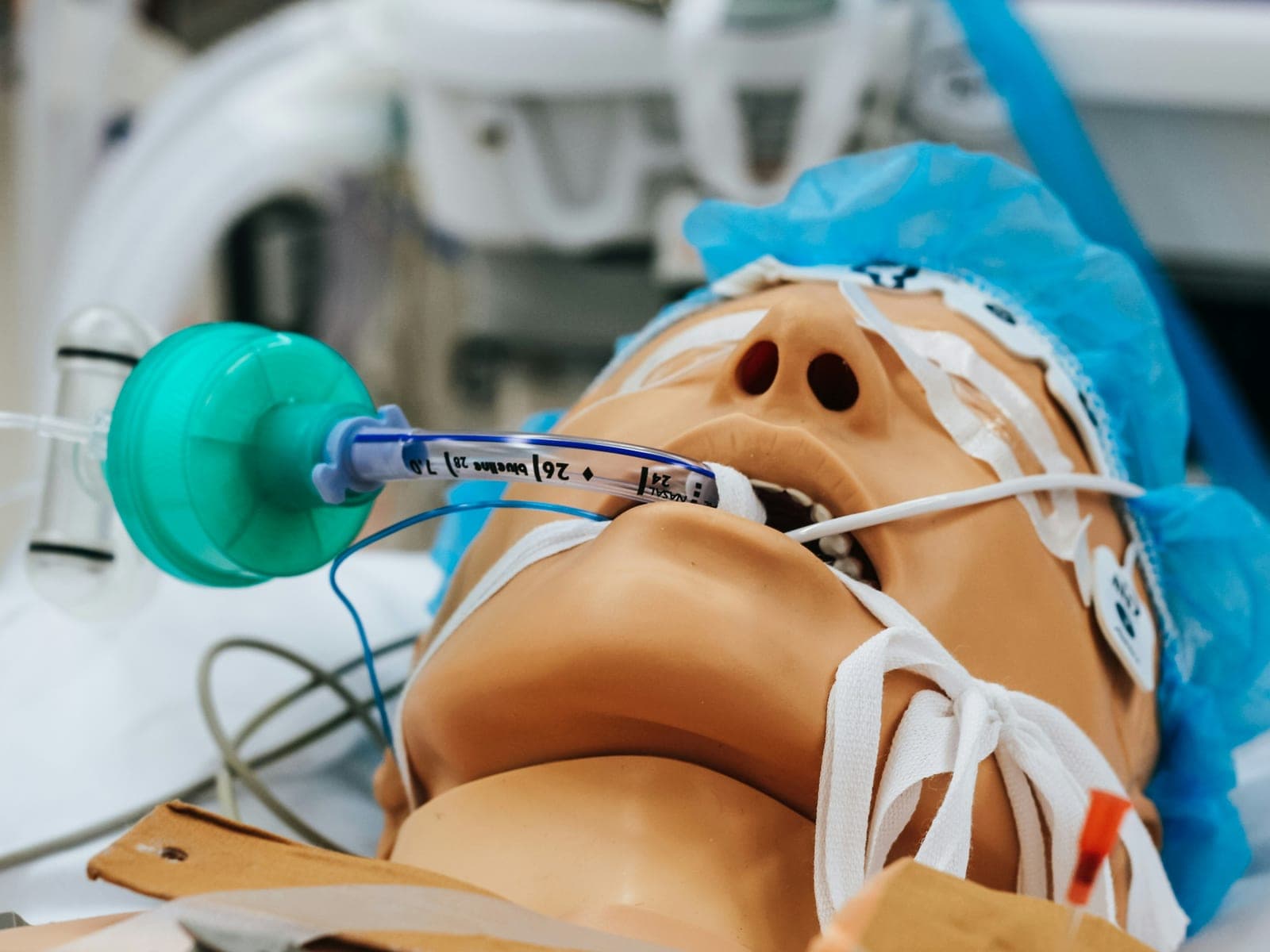
BTCLS (Basic Trauma Cardiac Life Support) and ACLS (Advanced Cardiac Life Support) are emergency care courses for health professionals; in the examples on the Indonesian Ministry of Health learning platform (LMS), BTCLS is aimed at nurses and ACLS at doctors. The regulations we read, however, do not name either course. What they require is emergency competence for clinic doctors and nurses, shown through valid education or training. So the useful question for a company is not "has this nurse done BTCLS?" but "what competence does each role need, and does the certificate come from accredited training?"
This article is for HR, site management, and clinic leads who plan training for medical teams working on roster at remote sites.
What do the rules actually require?
Minister of Health Regulation (Permenkes) No. 47 of 2018 on Emergency Services requires every health facility, clinics included, to handle emergencies inside the facility and when referring patients to another facility (Article 6). Article 11(3) states that doctors, dentists, nurses, and other health workers in such a facility must have emergency competence.
The regulation's annex sets out staffing for community health centres and clinics:
- doctors able to perform triage, the primary survey (resuscitation and stabilisation), the secondary survey, and definitive care within their competence and authority;
- nurses with at least a three-year diploma (D3) and emergency competence, which may come from education or from training in emergency care.
For company clinics, the Occupational Health Clinic standard in Permenkes No. 11 of 2025 requires medical and health staff to have competence in occupational health and in medical emergencies. Staff who lack it are covered by a capacity-building commitment letter filed with the licence application. We covered the occupational health side and that letter in our article on hiperkes-trained doctors and paramedics; this article focuses on emergency care.
In short, we found no specific obligation to attend BTCLS in the regulations above. BTCLS and ACLS are one way to build and document emergency competence, not the name of the obligation itself.
BTCLS and ACLS: what do they cover, and who are they for?
The content below comes from two course pages on the Ministry of Health LMS. Each describes a single course run; the syllabus, teaching hours, and SKP credits (the professional credit points Indonesian clinicians need) are listed per run and can differ between providers.
| Course | Target participants on the example page | Listed content |
|---|---|---|
| BTCLS | Nurses (skilled, expert, and vocational levels) | Ethics and legal aspects of emergency nursing, SPGDT (Indonesia's integrated emergency response system), basic life support, triage, initial assessment, airway and breathing, trauma (head and spine, chest and abdomen, musculoskeletal, burns), circulatory problems, cardiovascular emergencies, evacuation and transport, plus practical stations for CPR, ECG, fluid resuscitation, and bandaging and splinting |
| ACLS | Doctors and specialists | Legal and ethical aspects of resuscitation, basic life support with an AED, foreign body airway obstruction, airway management, ECG interpretation, electrical therapy, cardiac arrest, tachyarrhythmia, bradyarrhythmia, acute coronary syndrome, circulatory emergencies, post cardiac arrest care, and resuscitation drugs |
Put simply, the BTCLS example is a basic trauma and cardiac course for nurses, while ACLS concentrates on advanced management of cardiac arrest and rhythm problems for doctors. Both differ from CPR and AED training for lay responders, which we describe in our article on AEDs in the workplace.
People also often ask whether PPGD is the same as BTCLS. We found no official ruling that treats them as equal. What matters is the certificate itself: the content, the provider, and whether the course is recorded in the Ministry of Health system.
Which certificates are valid?
Training for medical and health workers is now governed by Permenkes No. 13 of 2025 on Health Workforce Management, in force since its promulgation on 3 November 2025. The key points:
- Training is delivered by accredited training institutions, which must register each course through the National Health Information System (SIKN). Participants must also be registered in SIKN (Article 204).
- The curriculum follows curriculum standards drafted by the relevant Collegium and set by the Council, comes with SKP credit information, and is registered in SIKN (Article 202).
- Participants who pass receive a certificate issued through an information system integrated with SIKN, and the certificate states the SKP value (Article 205).
- Accreditation of a training institution lasts five years, at a full, intermediate, or basic level that determines where it may run courses. An institution without accreditation may only run training in partnership with an accredited one (Article 207).
Article 306 gave training institutions at most six months from the regulation's entry into force to adjust, so that transition period has now passed. The old training guideline, Ministerial Decree 725/Menkes/SK/V/2003, was revoked by Article 309(a).
How long is a certificate valid, and how does it relate to the practice licence?
Permenkes 13/2025 does not set a validity period for training certificates such as BTCLS or ACLS. We found no regulatory basis for the circulating claims of three years, five years, or lifetime validity. The safe reference is what the certificate and the provider state.
What is clearly regulated is the practice licence (SIP). A SIP for Indonesian medical and health workers is valid for five years (Article 157). To renew it, a doctor or nurse submits their registration certificate (STR), proof of practice location, and proof of sufficient SKP credits (Article 158), with the required amount set by the Director General. Training counts as a source of SKP (Article 1 point 30), so valid emergency training also supports licence renewal. The same regulation lists the opportunity to develop competence as a right of medical and health workers (Article 211).
Which competence for which role in a site clinic?
The table below is our suggestion, not a regulatory requirement. Start from the scenarios most likely at your site, then match them against course content.
| Role | Site scenarios to master | Training we suggest |
|---|---|---|
| Duty doctor | Cardiac arrest, arrhythmia, chest pain, severe trauma patients who need stabilising before referral | ACLS, plus trauma training suited to the site |
| Clinic nurse | Triage, initial assessment, heavy equipment trauma, molten metal burns, CPR, bandaging and splinting | BTCLS |
| Referral escort | Maintaining airway and circulation during transport | BTCLS or ACLS according to profession, with a focus on evacuation and transport |
One note: gas poisoning does not appear in the content lists of the two example pages. If your site carries that risk, prepare additional material and dedicated drills so the team does not rely on BTCLS or ACLS alone.
How do you schedule training without leaving the clinic short?
Both example pages on the Ministry of Health LMS list a blended method, combining online and face-to-face sessions. For site operations, we suggest:
- joining online sessions from site only when the connection is stable and the participant is not on duty;
- scheduling face-to-face sessions and practical exams during off-roster time, with compensation and travel agreed in advance;
- where that is not possible, arranging a relief clinician whose SIP has already been issued for that clinic.
We explain how to build in staffing reserves for training and leave in our article on calculating medical staffing for rosters.
Scenario drills on site between formal courses
Formal courses are not repeated every month, yet the team has to be ready every day. Between formal training cycles, we suggest regular scenario drills on site: a cardiac arrest in the workshop, a worker pinned by heavy equipment, or an evacuation from the pit to the clinic. Include first aiders and the emergency response team, because an emergency on site starts with them before the patient reaches the clinic.
These drills test what a classroom does not: radio coverage, travel time to the clinic, readiness of the defibrillator and drugs, and how roles are split when the clinic has only one doctor and one nurse. Record the results and act on them.
Checklist per person
Keep one line per clinician and compare it against the roster:
- name, profession, and role in the site clinic;
- course type (for example BTCLS or ACLS) and provider;
- the provider's accreditation status, or the accredited institution it partners with;
- course date and proof of a certificate issued through the Ministry of Health system;
- the SKP value stated on the certificate;
- validity according to the certificate or provider, if stated;
- SIP expiry date and the next planned course;
- date of the last scenario drill on site.
ADR Medika is not an accredited training institution and does not issue BTCLS or ACLS certificates. Through our OHS and workplace first aid training service, we help map competence needs per role, plan and facilitate courses through accredited providers on schedules that follow the roster, and run CPR, first aid, and emergency response drills on site. Participants in on-site drills receive a letter of attendance from ADR Medika, not an accredited training certificate.