 ID
 EN
 中文
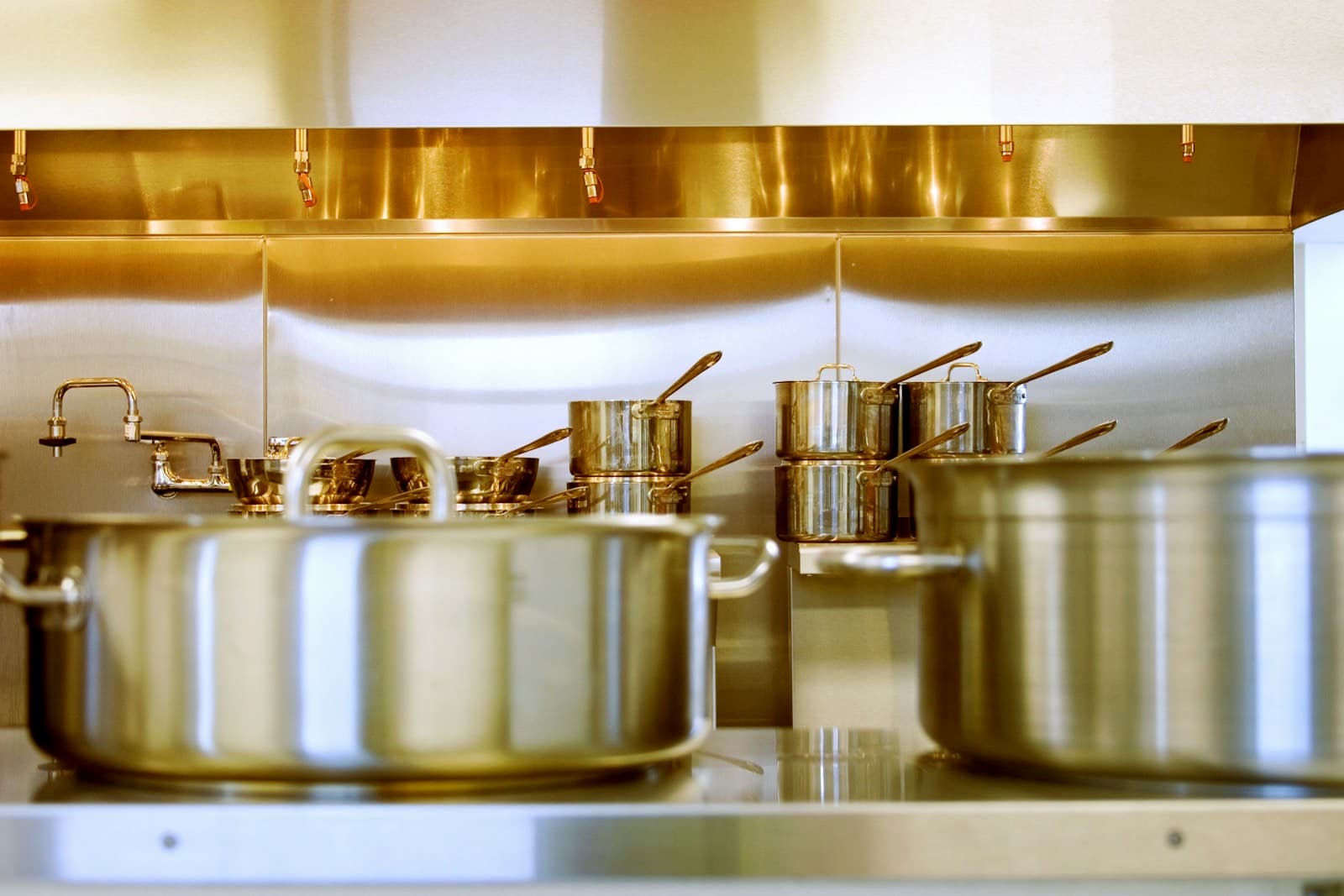
A camp operator must carry out environmental health so that water, buildings, food, and vector control meet the quality standards and health requirements. The basis is Article 57(1) of Permenkes 3/2026 (Minister of Health Regulation 3/2026) and Article 251(1) of PP 28/2024 (Government Regulation 28/2024). The detailed quality values and testing frequencies remain in the Appendix to Permenkes 2/2023, whose status needs explaining because most of its main body has been revoked.
This article covers only duties and periodic checks from a regulatory and operational angle: which rules apply, who tests, how often, and what cannot be confirmed. It does not cover diseases or their management; reporting communicable diseases and outbreaks (KLB) from the clinic to the health office is covered in clinic reporting to the health office. Measuring physical and chemical factors in work areas is covered in workplace environment measurement under Permenaker 5/2018.
Which rules govern environmental health in mess halls and camps?
Five texts complement each other and need to be read together.
| Text | Role for mess halls and camps | Status as we read it |
|---|---|---|
| PP 28/2024, Articles 245 to 252 | The workplace operator must carry out environmental health continuously, using environmental health personnel or competent parties (Article 251); administrative sanctions (Article 252) | Promulgated 26 July 2024, revokes PP 66/2014 |
| Permenkes 3/2026, Chapter IV (Articles 56 to 70) | Duty to meet SBMKL (environmental health quality standards), internal and external supervision, vector control | Issued 27 February 2026, in force |
| Permenkes 2/2023, Appendix | Water quality values, testing frequencies, building and facility requirements, vectors | Partly revoked, Appendix excluded |
| Permenkes 11/2025, Appendix F | Hygiene and sanitation fitness certificate (SLHS) for food handling premises | In force |
| Permenaker 5/2018 | Hygiene facilities, toilets, periodic work-environment inspection | In force on JDIH Kemnaker |
The status of Permenkes 2/2023 needs careful reading. JDIH Kemenkes marks it "Tidak Berlaku" (not in force) because Article 99(dd) of Permenkes 3/2026 revokes it. That article excludes Articles 12, 21, 23, 29, 32, 39, and 45 together with the Appendix, so the Appendix, where the quality values and testing frequencies sit, can still be used as a technical reference. The primary source of duty is now PP 28/2024 and Chapter IV of Permenkes 3/2026.
Source note: the Permenkes 2/2023 PDF on JDIH Kemenkes carries a "Rancangan" (draft) heading. We compared it with the State Gazette 2023 No. 55 copy on peraturan.go.id, and the Appendix figures quoted in this article (Tables 1 and 3, water test frequencies, building and facility requirements, food and vector supervision frequencies) are the same in both files. Even so, confirm the figures with the health office before putting them into internal procedures.
Who is responsible in a camp?
The operator, administrator, or person in charge of the settlement and workplace. Article 57(1) of Permenkes 3/2026 sets the scope: settlements, workplaces, recreation areas, and public places and facilities. A mess or camp can be read as a settlement or a workplace, and both are covered. Paragraph (3) adds operators of food handling premises and drinking water providers.
- Self-run or in cooperation with other parties (Article 57(8)), as long as it is carried out by environmental health personnel or staff trained in the field (Article 70).
- Two layers of supervision. Internal by the operator (Article 59(2)); external by the Ministry of Health, health quarantine, provincial health offices, and district/city health offices (Article 59(3)).
- Proof of compliance in the form of a certificate or label, for example the SLHS, which, where part of business licensing, follows the risk-based licensing rules (Article 57(5) to (7)).
- Administrative sanctions in steps, from verbal and written warnings to temporary suspension of activity and revocation of the license or a recommendation to revoke it (PP 28/2024 Article 252).
Our opinion: if the camp is served by a catering contractor or a third-party mess operator, the workplace operator's responsibility does not transfer automatically. The contract should include certificate obligations, test schedules, and audit rights for the company.
Which water quality standard applies in a camp?
The Appendix to Permenkes 2/2023 has two tables that are often confused. Table 1 is for Drinking Water, meaning water that can be drunk directly. The Appendix says this water is used for drinking, cooking, washing eating and drinking utensils, bathing, washing food ingredients, urinals, and worship, with the target being drinking water providers in settlements and workplaces. Table 3 is for Water for Hygiene and Sanitation, which by its text is aimed at households with their own water source. Our opinion: a camp that supplies shared water to many workers is closer to Table 1. The text does not state this firmly, so confirm with the health office.
| Parameter | Drinking Water (Table 1) | Hygiene and sanitation water (Table 3) |
|---|---|---|
| E. coli and total coliform | 0 CFU/100 mL | 0 CFU/100 mL |
| Turbidity; color | less than 3 NTU; 10 TCU | same |
| Total dissolved solids; pH | less than 300 mg/L; 6.5 to 8.5 | same |
| Iron; manganese | 0.2; 0.1 mg/L | same |
| Nitrate; nitrite; hexavalent chromium | 20; 3; 0.01 mg/L | same |
| Residual chlorine | 0.2 to 0.5 mg/L, 30 minutes contact | not in the table |
| Arsenic; cadmium; lead; fluoride; aluminium | 0.01; 0.003; 0.01; 1.5; 0.2 mg/L | not in the table |
Temperature (air temperature ±3 °C) and odor (odorless) appear in both tables. Three additional points for sites:
- Region-specific parameters. Local governments may set special parameters according to geohydrological conditions and the type of activity, including mining areas. Ask the local health office.
- Protected water. Free of contamination, no cross-connection with wastewater pipes, non-piped facilities protected from domestic and industrial waste, and available at all times.
- Storage containers are cleaned periodically; if a container is used to store water, at least once a week.
Who tests the water, and how often?
Testing is done by an accredited laboratory, a laboratory appointed by the local government, or environmental health personnel with calibrated equipment, with samples taken by trained staff in sterile, labeled containers. The camp operator makes sure it happens. The frequencies follow the Appendix, Chapter III, on drinking water quality supervision:
| Activity | Frequency | Basis |
|---|---|---|
| Operational monitoring: observation, turbidity, pH, chlorine residual | Daily | Appendix Chapter III A.1.a, internal supervision item a) |
| Internal sample testing: physical and microbiological | At least once a month | Appendix Chapter III A.1.a, internal supervision item d) |
| Internal sample testing: chemical | At least once every 6 months | Appendix Chapter III A.1.a, internal supervision item d) |
| Report internal supervision results to the health office | Every 6 months | Appendix Chapter III A.1.a, internal supervision item e) |
| Routine external supervision by the health office | At least once a year, plus incidental on complaints or findings | Permenkes 3/2026 Article 59(5) to (7) |
For non-piped facilities, the Appendix asks for one sample at the facility and one in the household (the text's term; for a camp we read this as the residents' point of use). Rapid field tests are allowed for early detection; if the result does not meet the requirement, continue to an accredited laboratory or one appointed by the local government. Article 60 of Permenkes 3/2026 requires drinking water providers to prepare a Water Safety Plan (RPAM) and audit it internally.
Two things we cannot confirm:
- Whether your camp is a "drinking water provider". A camp that draws, treats, and distributes its own water is closest to the Appendix target, so the frequencies above become the reference. A camp that only receives water from the municipal utility (PDAM) or a refill supplier is in a different position. This is our reading, not firm wording in the text.
- Refill and gallon water. Refill depots need an SLHS (Permenkes 11/2025 Appendix F), and the Permenkes 2/2023 Appendix asks for laboratory E. coli tests every 3 months and a full parameter set every 6 months. That is the depot operator's duty. Practical advice: ask the supplier for a copy of the SLHS and the latest test results before contracting.
What are the requirements for facilities, toilets, and cleanliness in a mess?
General building and facility requirements are in the Permenkes 2/2023 Appendix, Chapter II E, and the text does not mention "mess" or "camp" specifically, so applying it to worker housing is our reading. Building requirements for a clinic inside the camp are covered in clinic building and container clinics.
| Item | Requirement |
|---|---|
| Location | Not in a landslide-prone area, not a former final waste disposal site, not on a high-voltage corridor |
| Sleeping room | Minimum area 9 m2, minimum ceiling height 2.4 m |
| Water | Improved source, on premises, 24-hour supply, quality meets SBMKL |
| Toilet | Separate for men and women, minimum 2 m2, ventilation 30% of floor area, soap, handwashing facility, waste bin, accessible to people with disabilities |
| Septic tank | Emptied at least once in the last 5 years and treated at a faecal sludge treatment plant or connected to centralized domestic wastewater treatment |
| Cleanliness | A unit in charge; general cleaning once a month; special cleaning at least once a day |
Permenaker 5/2018 adds latrine numbers by workers per shift (Article 34(5)): 1 to 15 people one latrine, 16 to 30 two, 31 to 45 three, 46 to 60 four, 61 to 80 five, 81 to 100 six, then add one for every 40 people. Article 34(7) uses a different measure for construction areas and temporary workplaces. We read these figures from a scanned PDF, so check them against the official text. The Permenkes 2/2023 Appendix has a toilet ratio of 1:40 (men) and 1:25 (women) for shared public buildings. The two measures differ and the texts do not reconcile them. Practical advice: use the stricter one for planning, then confirm with the labor inspector and the health office.
Article 5(1) of Permenaker 5/2018 links sanitation to work-environment measurement and control. The initial inspection covers sanitation facilities (Article 61(2)), and external periodic testing is done at least once a year or according to risk assessment (Article 62). In the copy we searched, Permenaker 5/2018 does not explicitly mention "kantin" (canteen) or "air minum" (drinking water), so we refer water quality and canteens to the health texts.
What are the duties for a camp canteen and kitchen?
Ready-to-eat food handling premises (TPP) are required to hold an SLHS or a label, according to the Permenkes 2/2023 Appendix Chapter III D. The TPP definition in Appendix F of Permenkes 11/2025 covers both commercial and non-commercial premises, and "kantin" is named as an example of ready-to-eat food service. For that reason we read a camp canteen as a TPP.
There is one uncertainty. The list of business types in Appendix F includes restaurants, event catering, catering for a specific period, food stalls, beverage shops or cafes, and refill drinking water depots. An in-house company canteen is not named as a separate type. A third-party caterer for the camp clearly falls under catering for a specific period. For a kitchen run directly by the company, ask the local health office or the one-stop investment service office about the licensing route.
| Item | SLHS requirement (Permenkes 11/2025 Appendix F) |
|---|---|
| Environmental health inspection (IKL) | Score of at least 80 |
| Food handlers | At least 50% hold a ready-to-eat food safety course certificate; health examination at least once a year |
| Laboratory tests | Food samples and water used in processing, by an accredited laboratory or one appointed by the local government; results valid for at most 2 months |
| Special conditions | In mining areas, industrial zones, and food poisoning outbreaks, tests of specific parameters and/or examination of handlers |
| Issuance and renewal | Issuance period of 30 days; conformity assessment for businesses in the regions is done by the district/city government; renewal filed at least 3 months before expiry |
| After issuance | Report internal IKL every 1 year and internal sample testing every 2 years |
The Permenkes 2/2023 Appendix adds internal supervision by the operator with the IKL form twice a year for all TPP types. External supervision is risk-based: high-risk TPP twice a year, medium once a year, low every two years. Article 9(2)(f) of Permenaker 13/2025 assigns the P2K3 (occupational safety and health committee) to monitor work nutrition and food service, as we summarize in forming the P2K3.
How is vector control handled in mess halls and camps?
Vector and disease-carrying animal control is also directed at workplaces and food handling premises (Permenkes 3/2026 Article 66(2)). The activities are internal and external observation of vector habitats and behavior, laboratory tests, risk analysis, follow-up recommendations, and environmental engineering by physical, biological, chemical, or integrated methods (paragraphs (3), (4), (9)).
The Permenkes 2/2023 Appendix states routine bioecology observation at least once a month and external vector supervision in workplaces at least once a month by a health entomologist or an environmental health worker with entomology competence from the district/city health office, Puskesmas, or health quarantine. This is stricter than "at least once a year" for general routine external supervision in Permenkes 3/2026 Article 59(6). We did not find a text that reconciles the two, nor a separate frequency for internal vector supervision. Ask the local health office which schedule it uses.
The health side of preventing mosquito bites in a mess is covered separately in malaria prevention for site workers. That article contains clinical content, and we link it only as a reference.
Checklist for camp sanitation and water duties
- The person in charge of camp environmental health is appointed in writing, with environmental health personnel or a competent party.
- Water sources, treatment, and distribution points are mapped; the status as a drinking water provider is confirmed with the health office.
- Water test schedule: daily, monthly (physical and microbiological), six-monthly (chemical and reporting).
- Special parameters for mining areas are asked about and recorded.
- Storage containers are cleaned periodically, container tanks at least weekly.
- The SLHS or label for kitchens, caterers, and gallon water suppliers is requested or confirmed.
- Kitchen IKL twice a year; food laboratory results are still within the 2-month window.
- Numbers of latrines and toilets are calculated under Permenaker 5/2018 and the Permenkes 2/2023 Appendix.
- A vector observation and control schedule is set with the health office or a competent party.
- All test results, IKL, and reports are kept for verification by inspectors.
- The schedule and responsible persons are included in the company SMK3 program, and reported at P2K3 meetings if one exists.
Common mistakes
- Using the air-testing frequency for water. The "every 3 months physical and chemical" figure in the Permenkes 2/2023 Appendix applies only to workplace air.
- Assuming Permenkes 2/2023 has lapsed entirely. Its Appendix is excluded from the revocation, but the source of duty is now PP 28/2024 and Permenkes 3/2026.
- Equating drinking water with hygiene and sanitation water. The two quality tables differ in parameters.
- Skipping a canteen run directly by the company. The route is not firm in the text, and that is a reason to ask the office, not to skip it.
- Leaving everything to the catering vendor without a contract that covers certificates and test schedules.
- Not keeping results. External supervision checks internal reports.
If you want to map these duties into an occupational health program on site, you can discuss it with us through the occupational health service. That service covers health risk identification, monitoring of hazard exposure, and an occupational health program prepared with your HSE team. If the site already has a clinic, align this schedule with the clinic; an overview of clinics at mining sites is in mining site clinics.