 ID
 EN
 中文
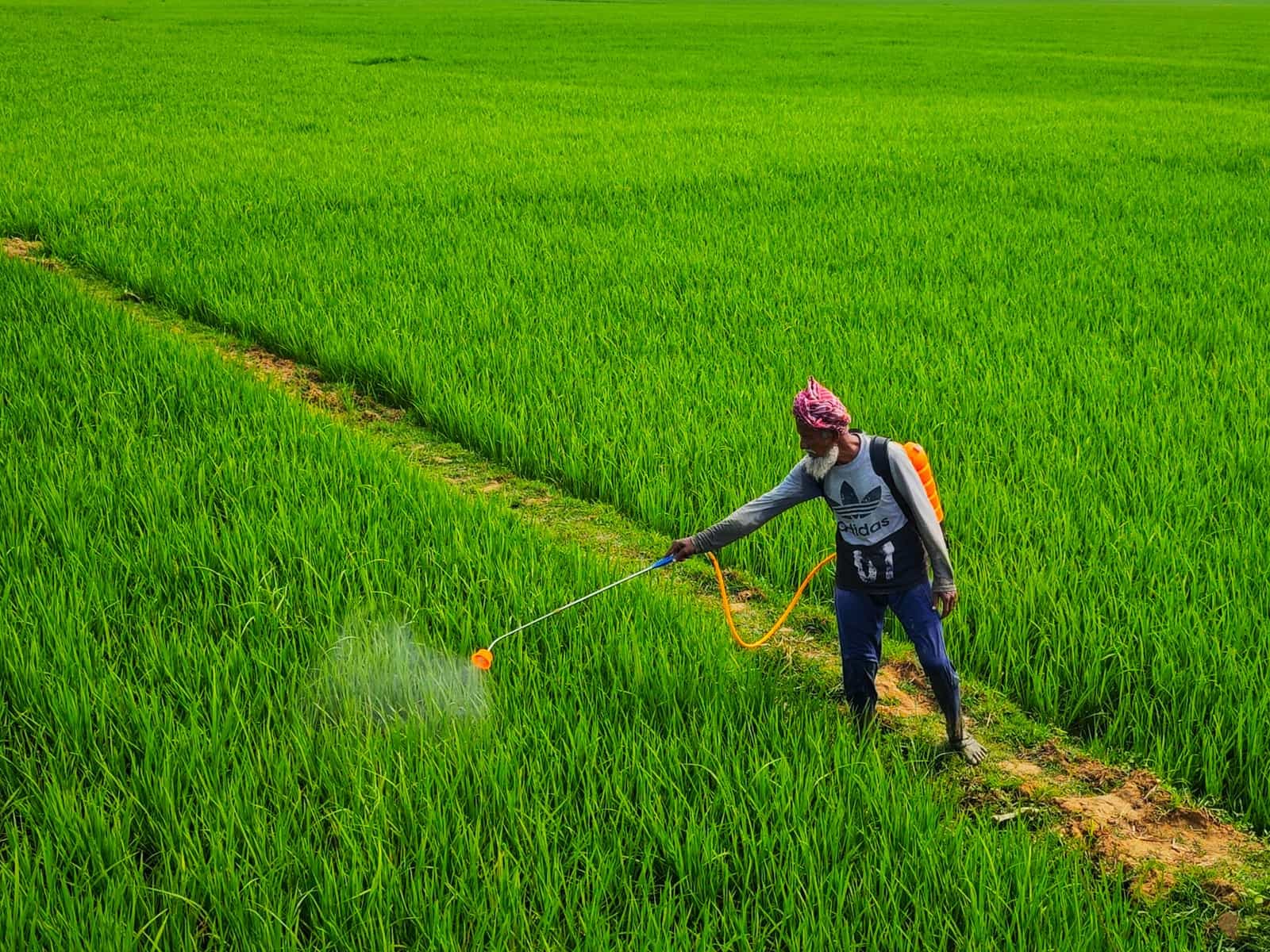
Most pesticide poisoning among plantation sprayers comes from organophosphate and carbamate insecticides, and the poison usually gets in through the skin rather than the mouth. Early signs feel like the flu: headache, excess saliva, and nausea, sometimes progressing to breathing difficulty. If these appear during or after spraying, stop work, take off clothing wet with spray, wash your skin with soap and water, and get taken to the clinic right away with the product label or a photo of it.
This guide is for sprayers, mixers, and spray supervisors on oil palm estates and other plantations. The last section is for HSE teams and site clinics.
Which symptoms mean you should stop spraying?
The ILO code of practice on safety and health in agriculture names organophosphates and carbamates as the cause of most acute occupational pesticide poisonings. Both block acetylcholinesterase, an enzyme the nervous system depends on. Effects range from flu-like symptoms to respiratory distress and death, and a person's sensitivity to organophosphates can rise suddenly.
Stop, tell your supervisor, and get taken to the clinic right away if you notice:
- a headache that starts during or after spraying;
- excess saliva;
- nausea or vomiting;
- a tight chest or shortness of breath;
- stinging eyes or skin after a splash.
According to the ILO, acute poisoning usually shows up within 24 hours of exposure. A complaint that starts at night in camp is still reported and the person taken to the clinic right away. The doctor decides whether it is poisoning; your job is to report early.
Weedkillers carry their own risks. The ILO notes that paraquat and diquat can blister and ulcerate the skin and discolour the nails, and can damage the lungs if swallowed. Any sore on your hands after spraying weedkiller needs checking.
Why is skin the main way in?
The ILO describes skin absorption as the primary route of exposure for most widely used insecticides, fungicides, and herbicides, and it often happens without the worker noticing. Hands are exposed in nearly every case, the back and torso when carrying a backpack sprayer, and the legs when walking through freshly treated plants. Most occupational organophosphate poisonings happen through the skin.
What often gets missed in the field:
- Mixing means handling the concentrate. The ILO notes that formulations with 40 to 50 per cent active ingredient are common, so mixers can get the concentrated product directly on their skin.
- Leather or fabric shoes soak up pesticide and keep exposing you after work ends. Wear chemical-resistant boots.
- Cloth and surgical masks do not stop pesticide vapour. If the label calls for respiratory protection, use a respirator with pesticide cartridges.
- The gap between glove and sleeve is a common leak point.
- Freshly sprayed blocks still carry residue on leaves and soil. Respect the re-entry interval on the label and the warning signs at the block.
What PPE do you need, and how do you take it off?
Start with the label. Indonesia's Government Regulation No. 7 of 1973 ties pesticide approval to use according to the label directions (Article 4) and prohibits use that departs from the conditions of the permit (Article 6). For hot climates, the 2020 FAO and WHO guidelines set a bare minimum: long sleeves, long trousers, a hat, chemical-resistant gloves, and boots that do not absorb spray.
| Task | Basic PPE in Annex 3 of the FAO and WHO guidelines |
|---|---|
| Mixing and filling the tank | Coveralls, boots, gloves, goggles or face shield, hood or hat; apron for harmful and irritant products; respiratory protection for WHO class I and II pesticides |
| Spraying downwards with a hand lance | Coveralls, boots, gloves, hood or hat |
| Cleaning the sprayer | Coveralls, boots, gloves, apron |
The same guidelines give this order for taking PPE off:
- Wash your gloves and boots while still wearing them.
- Remove head and face protection, such as masks and goggles.
- Remove the coveralls.
- Remove the boots.
- Remove the gloves last.
- Wash your hands, then shower.
Wash work clothes and PPE every day, separately from other clothing, and keep them out of your home, boots included. Sprayers working several days in a row should have two sets of coveralls.
Why no eating, drinking, or smoking before you wash?
The ILO points out that pesticide can be swallowed when food or cigarettes are handled with hands that touched pesticide and have not been washed. So:
- do not eat, drink, or smoke while spraying or in contaminated areas;
- at breaks, wash your hands and face, especially around the mouth, before eating or drinking;
- keep your food away from PPE and spray clothing;
- never use empty pesticide containers for drinking water or food; the ILO is clear they must not be reused that way.
The FAO and WHO guidelines stress that PPE is never a 100 per cent guarantee, so soap and water must always be on hand.
What should you do if a co-worker is poisoned?
First aid according to the FAO and WHO guidelines:
- Move the person away from the pesticide and the sprayed area.
- Remove contaminated clothing and PPE in a way that is safe for both the patient and the helper.
- Wash exposed skin with soap and plenty of clean, cold water without spreading it to others, then put on clean clothes.
- If the eyes were splashed, rinse them gently with clean water for at least 15 minutes.
- If the person is unconscious, place them in the recovery position on their left side.
- Follow the first aid directions on the label and get the person to the clinic quickly.
Take the label, the container, or a clear photo of the label; the FAO and WHO guidelines say the doctor should be given it. Indonesia's Minister of Manpower Decree KEP.187/MEN/1999 requires labels on hazardous chemicals to include instructions for exposure (Article 5(f)) and safety data sheets (SDS) to include first aid measures (Article 4(1)(d)). Both must be placed where workers can easily find them (Article 6). Ask your supervisor where the SDS is kept.
The chain is the same as in our article on snakebite first aid: the field team helps and reports, the clinic assesses and refers.
For HSE and site clinics: what to prepare before the spraying season
These are our practice recommendations, with the rule or guideline behind each:
- Match the active ingredients used in each block against their SDS. KEP.187/MEN/1999 requires employers who use and store hazardous chemicals to control them, including by providing SDS and labels (Articles 2 and 3). Government Regulation 7/1973 prohibits using pesticides that are not registered or permitted (Article 2(1)) and leaves matters of human safety and health to the Ministers of Health and Manpower (Article 10). The ILO recommends that health services also receive the safety data sheets for chemicals in use, so give the clinic a copy.
- Let the doctor and pharmacist decide on antidotes kept at the clinic, and whether part of the stock should travel with spray teams working far out. The review by Eddleston and colleagues (The Lancet, 2008) names atropine, oximes, and diazepam as the core treatments for organophosphate poisoning, while the role of oximes is not fully clear. Plan for several workers poisoned at once. The FAO and WHO guidelines advise against using highly hazardous pesticides where no medical facility with suitable antidotes is near the application area.
- Handle diazepam storage properly. Diazepam is listed as a class IV psychotropic in the annex to Minister of Health Regulation No. 6 of 2025. Storage and record-keeping rules are covered in our article on storing narcotics and psychotropics at the clinic. The list of emergency medicines for clinics is covered in the article on emergency medicines for clinics.
- Plan cholinesterase testing before the season. The occupational exposure limit table in the annex to Minister of Manpower Regulation No. 5 of 2018 flags several active ingredients, including carbaryl, carbofuran, and chlorpyrifos, as "cholinesterase inhibitors". The biological exposure index annex of the same regulation lists red blood cell acetylcholinesterase activity at 70 per cent of the individual's baseline for this class of pesticide. The ILO code of practice recommends a baseline before exposure, periodic tests and tests when symptoms appear, a workplace inspection if plasma or red cell cholinesterase drops by more than 20 per cent, and removal from exposure until levels return to baseline if plasma drops by more than 40 per cent or red cell activity by more than 30 per cent, with the employer paying. These ILO figures are international guidance, not an Indonesian legal requirement. The related Indonesian rule is the special health examination in Article 5 of PER.02/MEN/1980, intended to assess the effects of specific work and also held when workers raise complaints.
- Arrange temporary alternative duties. A sprayer whose cholinesterase has dropped, or who is recovering from poisoning, is reassessed by the doctor before spraying again. For how this ties to work status, see our article on fitness to work for site workers.
- Put washing water and an eyewash at the mixing point. The ILO calls for face and eye washing facilities and safety showers with clean water for workers splashed by chemicals, close by but kept clean.
- Record every case. Presidential Regulation No. 7 of 2019 lists diseases caused by pesticides as an occupational disease (Annex, part I, point a, item 35). The reporting process for occupational diseases is covered in the article on reporting occupational diseases, and clinic reporting duties to the health office in the article on clinic reporting to the health office.
Our pharmaceutical support covers procuring medicines through official distribution channels, storing them to requirements, delivering to clinics and remote sites, and controlling stock and expiry dates. The doctor and pharmacist set which antidotes to hold and how much; we keep that stock available, correctly stored, and recorded all the way to site.