ID
ID EN
EN 中文
中文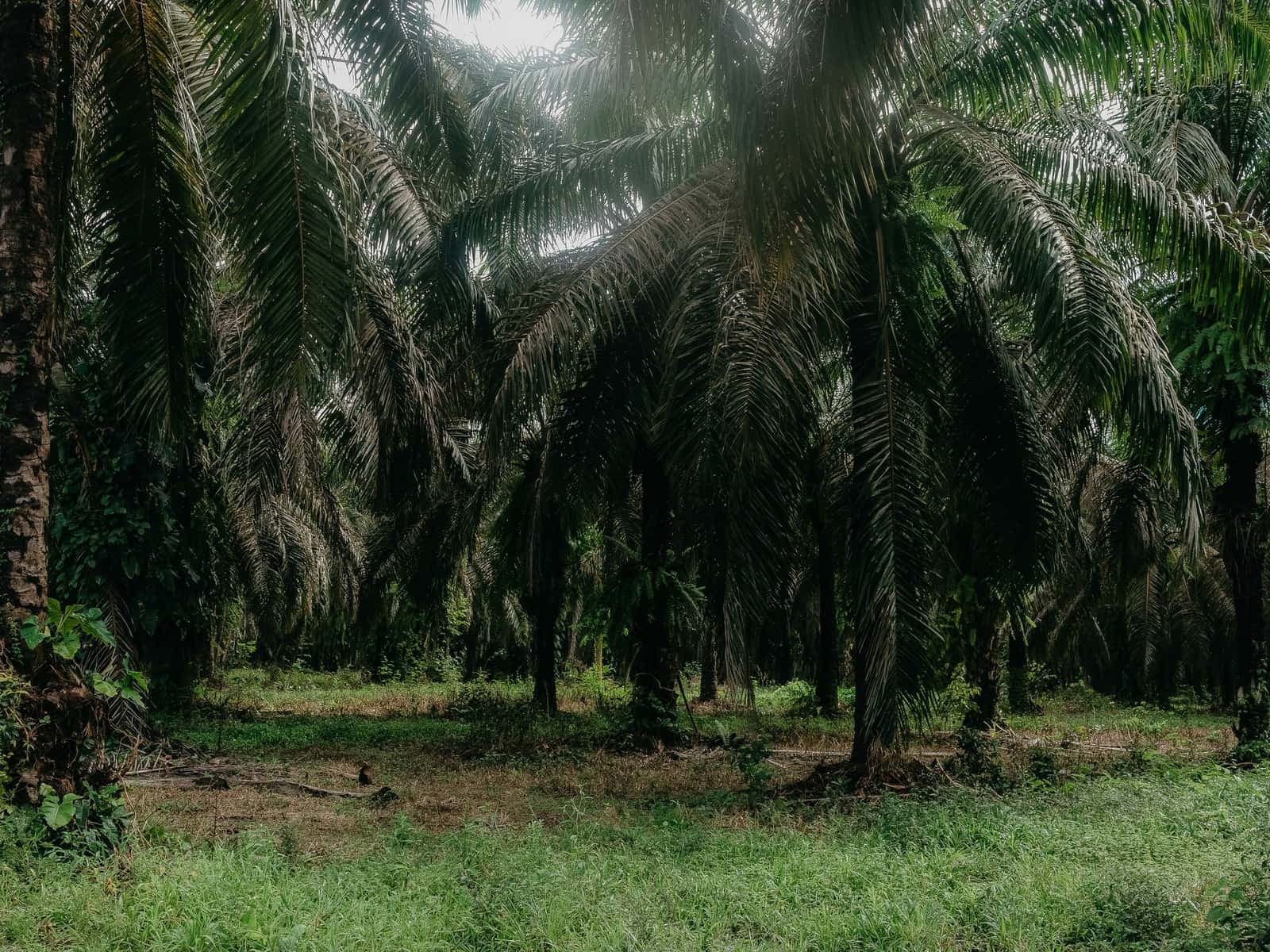
First aid for a snakebite, as recommended by Indonesia's Ministry of Health and by WHO, is simple: move away from the snake, calm the person, keep the bitten part still with a splint or sling, and get them to a health facility as fast as possible without letting them walk. Do not cut, suck, tie, ice, or rub anything on the bite. The cure for snake venom is antivenom, including Indonesia's own serum anti bisa ular (SABU), and it is given by medical staff at a health facility, only when there are signs of envenoming.
This guide is for plantation, mining, and field survey workers. The Ministry of Health's 2023 guidebook describes snakebite as a work-related hazard, including for farmers and plantation workers. The last section is for HSE teams and site clinics that need a referral route in place before the first case.
What should you do in the first few minutes?
- Move away from the snake. Do not try to catch or kill it. If it is safe to do so, take a few photos of the snake on a phone to help with identification. Do not handle a dead snake with bare hands either: even a severed head can bite.
- Calm the person and keep them still. Any movement or muscle contraction, including walking or taking off clothes, speeds up venom absorption. Not every bite injects venom, and severe envenoming usually develops slowly enough to leave time for treatment.
- Lay the person down in a comfortable, safe position. The WHO South-East Asia guidelines recommend lying on the left side so they do not choke if they vomit.
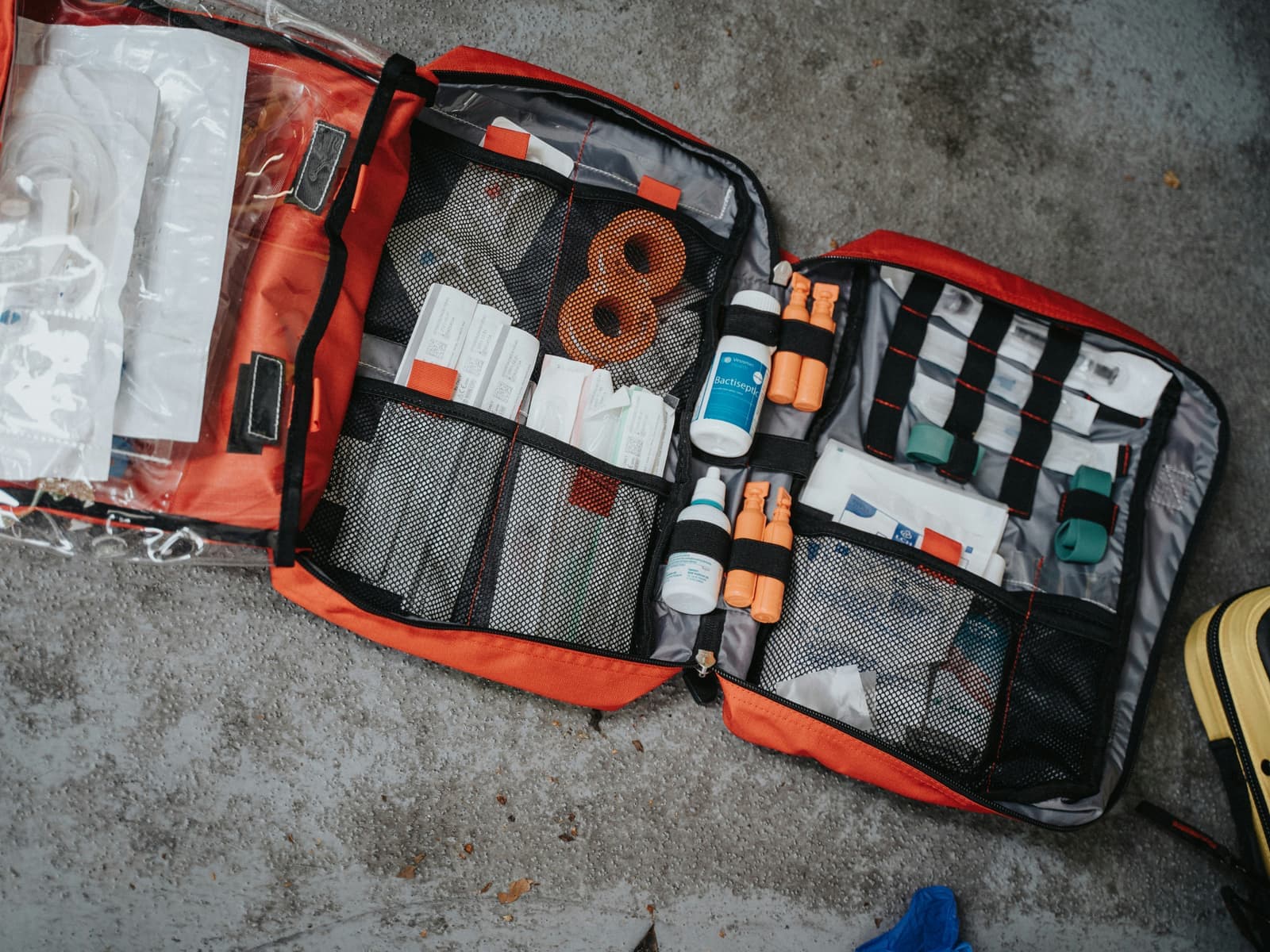
- Apply a splint or sling to the bitten limb. A splint can be made from wood, bamboo, or stiff cardboard; a sling from cloth or a scarf.
- Call the first aider or the site clinic by radio or phone. Outside the site, the Ministry of Health guidebook points to Indonesia's 119 emergency number.
- Do not walk out of the plantation block or work area if the person can be picked up. Carry them on a stretcher or by vehicle. Where there is no ambulance, the WHO guidelines list motorbikes, carts, or boats as options.
How first aiders are appointed, and how many you need, is covered in our article on workplace first aiders.
What must you not do, and why not tie the limb?
The 2023 Ministry of Health guidebook says the following should not be done:
- cutting, pricking with a needle, or massaging the bite area;
- sucking out venom or squeezing out blood;
- tying the bitten limb;
- applying ice;
- applying herbs, chemicals, or soil;
- applying a "black stone" or giving an electric shock.
According to the guidebook, these practices cause infection, increase venom absorption, and worsen local bleeding. The WHO guidelines also say the wound should be left alone, including no rubbing or vigorous cleaning.
A tight band around an arm or leg cuts off blood flow, is very painful, and is dangerous if left on for long. The WHO guidelines record many cases of limbs lost to gangrene from bands like these.
Elastic bandage or pressure pad: which one?
Both guidelines agree that a splint or sling is the basic step, but they differ on pressure techniques.
| Situation | Ministry of Health guidebook 2023 | WHO South-East Asia guidelines 2016 |
|---|---|---|
| All bites | Splint or sling, then straight to a health facility | Lay the patient down, splint or sling on the bitten limb |
| Snake not identified | Splint or sling strongly recommended | Pressure pad, unless an elapid bite can be excluded |
| Elapids (cobras and kraits) | Elastic bandage with immobilisation, by a trained person | Pressure pad; pressure bandage only if equipment and skills are available |
| Russell's viper | Pad and bandage with a splint | Pressure pad shown to reduce venom spread in Myanmar |
The Ministry of Health stresses that an elastic bandage needs the right bandage and the right technique. WHO prefers the pressure pad, a small pad of rubber or folded cloth placed directly over the bite and bound with a non-elastic bandage, because it is simpler and more practical.
Our suggestion: teach splints and slings to every worker, and leave pressure techniques to trained first aiders using the method chosen by the site doctor.
How can you tell if the bite is venomous?
The Ministry of Health guidebook explains that puncture wounds point to a venomous snake, while tears or grazes point to a non-venomous one. But no fang marks does not mean safe: the same guidebook notes that 3.8 percent of people with no visible fang marks had absorbed venom, and krait bites are often barely visible.
Report these signs to medical staff at once:
- drooping eyelids, double vision, difficulty swallowing or speaking, weakness, or shortness of breath;
- bleeding from the gums or nose, or dark brown urine;
- swelling that spreads quickly from the bite;
- a swollen, tender lymph node draining the bitten limb.
Every bitten person still goes to a health facility, even if they feel fine. The Ministry of Health recommends 24 to 48 hours of observation for people without symptoms. Elapid and Russell's viper bites need hospital admission and close observation even without symptoms, and muscle weakness after a cobra bite can appear up to 16 hours later.
At the facility, one simple check is the 20-minute whole blood clotting test (20WBCT): a small blood sample is left to stand in a glass tube. If it does not clot, the patient is referred and given antivenom. If it clots, observation and repeat testing continue for up to 48 hours.
What is SABU, and which snakes does it cover?
Indonesia's locally made SABU is BioSAVE, produced by the state-owned company Bio Farma. According to Bio Farma, it is for bites from the Javan spitting cobra (Naja sputatrix), the banded krait (Bungarus fasciatus), and the Malayan pit viper (Agkistrodon rhodostoma, also known as Calloselasma rhodostoma).
The Ministry of Health guidebook stresses that this coverage is limited. Several snakes that often bite have no antivenom available in Indonesia, including green tree pit vipers (Trimeresurus), the king cobra, the Malayan krait (Bungarus candidus), and sea snakes. The guidebook also attributes high death rates to the mistaken belief that SABU works for every snakebite. Eastern Indonesia has different snakes again, so its antivenom needs differ too.
A laboratory study using test animals by Tan and colleagues (2016) found SABU's neutralising power weak against Javan spitting cobra and Malayan krait venom, and moderate against Malayan pit viper and banded krait venom. The authors state that the results still need clinical confirmation.
WHO includes antivenom in its Essential Medicines List and says it should be available in primary care wherever snakebites occur. Giving it is still a doctor's decision: antivenoms are usually made from horse plasma, and the Ministry of Health guidebook requires adrenaline to be ready at the bedside in case of a severe allergic reaction. This article deliberately gives no doses.
For HSE teams and site clinics: what to prepare before a case?
The steps below are our practice suggestions, not legal requirements:
- Know your local snakes. Chapter 2 of the Ministry of Health guidebook describes venomous species, their habitats, and their distribution by region.
- Map the referral route. List the nearest facilities that hold antivenom suited to local snakes and can support breathing, because victims of nerve-acting venom need observation with intubation and ventilator equipment ready. Confirm their stock regularly and record travel times. Planning patient transfers is covered in our article on medical evacuation from remote sites.
- Decide with the doctor whether the clinic holds antivenom. Consider the local species, distance to referral, and the clinic's ability to manage allergic reactions. WHO notes that antivenom should only be given if its coverage includes the species known or suspected to have bitten.
- If you hold it, follow the label temperature. WHO states that liquid antivenoms are stored at 2 to 8 °C and not frozen, and freeze-dried antivenoms below 25 °C; the Ministry of Health guidebook records BioSAVE storage at 4 to 8 °C. Liquid antivenom that is cloudy or contains particles must not be used. Record batch numbers and expiry dates, and keep adrenaline and resuscitation equipment ready. Clinic cold chain is covered in our article on medicines management at site clinics.
- Train your first aiders. The Ministry of Health guidebook includes training health workers in prevention and first aid in its snakebite response planning. Build splint and sling practice into routine drills.
- Protect feet and hands. The Ministry of Health promotes boots and gloves as the most practical protection at work, along with long trousers, a stick to check undergrowth before reaching in, and a torch after dark. Take extra care after rain, during harvest, and on the way to and from the blocks before dawn or after dusk.
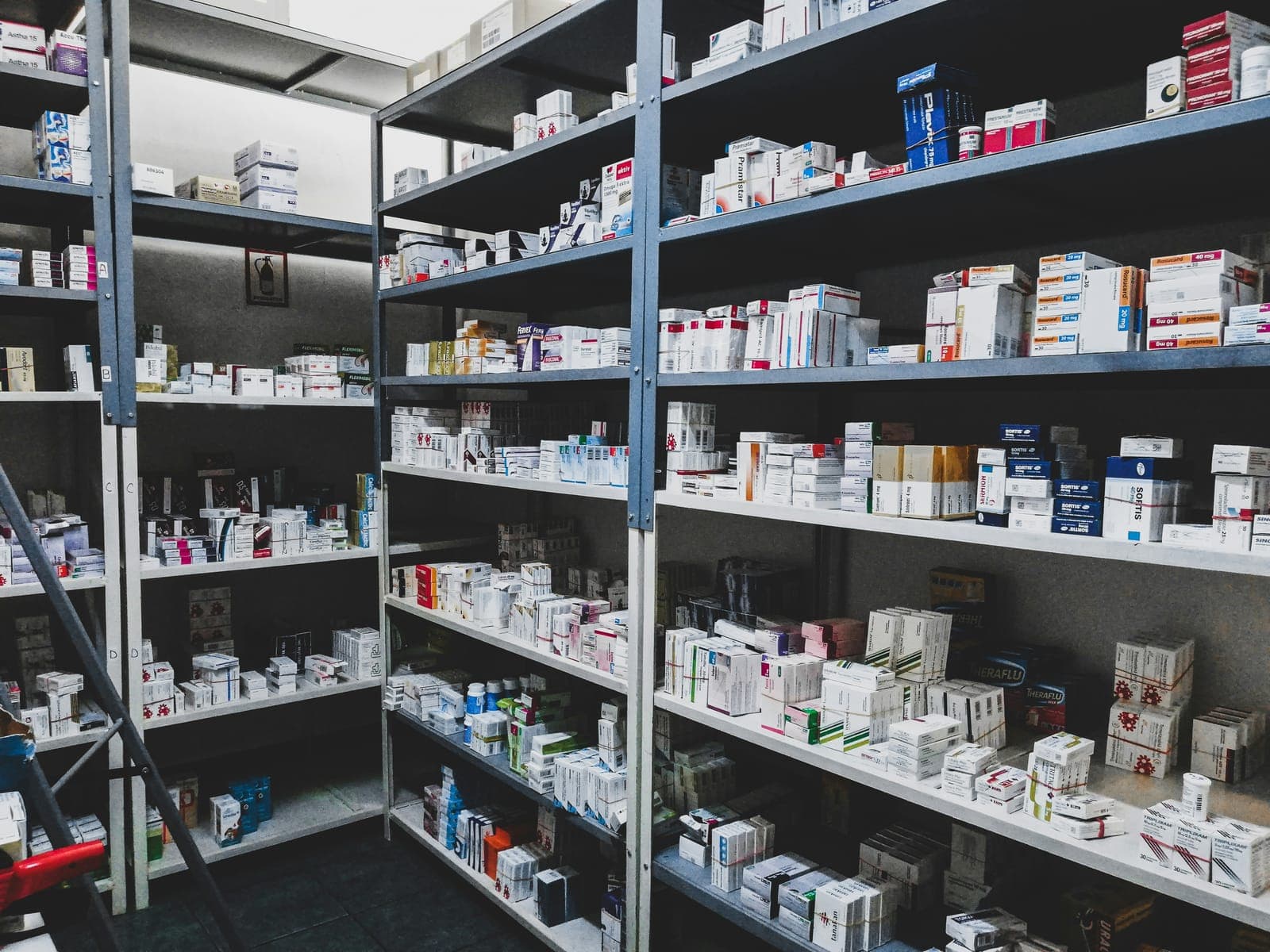
Our pharmacy support helps clinics manage medicines in general: storage to the required temperature, cold chain, and records of batch numbers and expiry dates. Clinical decisions about antivenom and referral stay with the treating doctor.