ID
ID EN
EN 中文
中文
A clinic pharmacist in Indonesia is responsible for pharmaceutical services. That covers managing medicines, medical devices, and medical consumables from selection through to record keeping, and serving patients directly by reviewing prescriptions, giving drug information, and counselling. Not every company clinic has to employ one, though. The Minister of Health's clinic pharmacy standard, Permenkes No. 34 of 2021, makes a supervising pharmacist mandatory in inpatient clinics, in clinics providing medical rehabilitation for people addicted to narcotics, and in outpatient clinics that choose to run pharmaceutical services themselves. Other outpatient clinics, occupational health clinics (Klinik Kesehatan Kerja) included, may leave prescriptions to a partner pharmacy or clinic.
This article is written for HR teams and clinic managers who are setting up staffing and job descriptions for pharmacy work, particularly on remote sites.
When must a company clinic employ a pharmacist?
Article 3 of Permenkes 34/2021 sets the obligation by the type of service the clinic provides:
| Clinic type | Pharmaceutical services | Supervising pharmacist |
|---|---|---|
| Inpatient | Required | Required |
| Medical rehabilitation for people addicted to narcotics, psychotropics, and other addictive substances | Required | Required |
| Outpatient, running the service itself | The clinic's choice | Required |
| Outpatient, not running the service | Through an arrangement with a pharmacy or another clinic | Not required at that clinic |
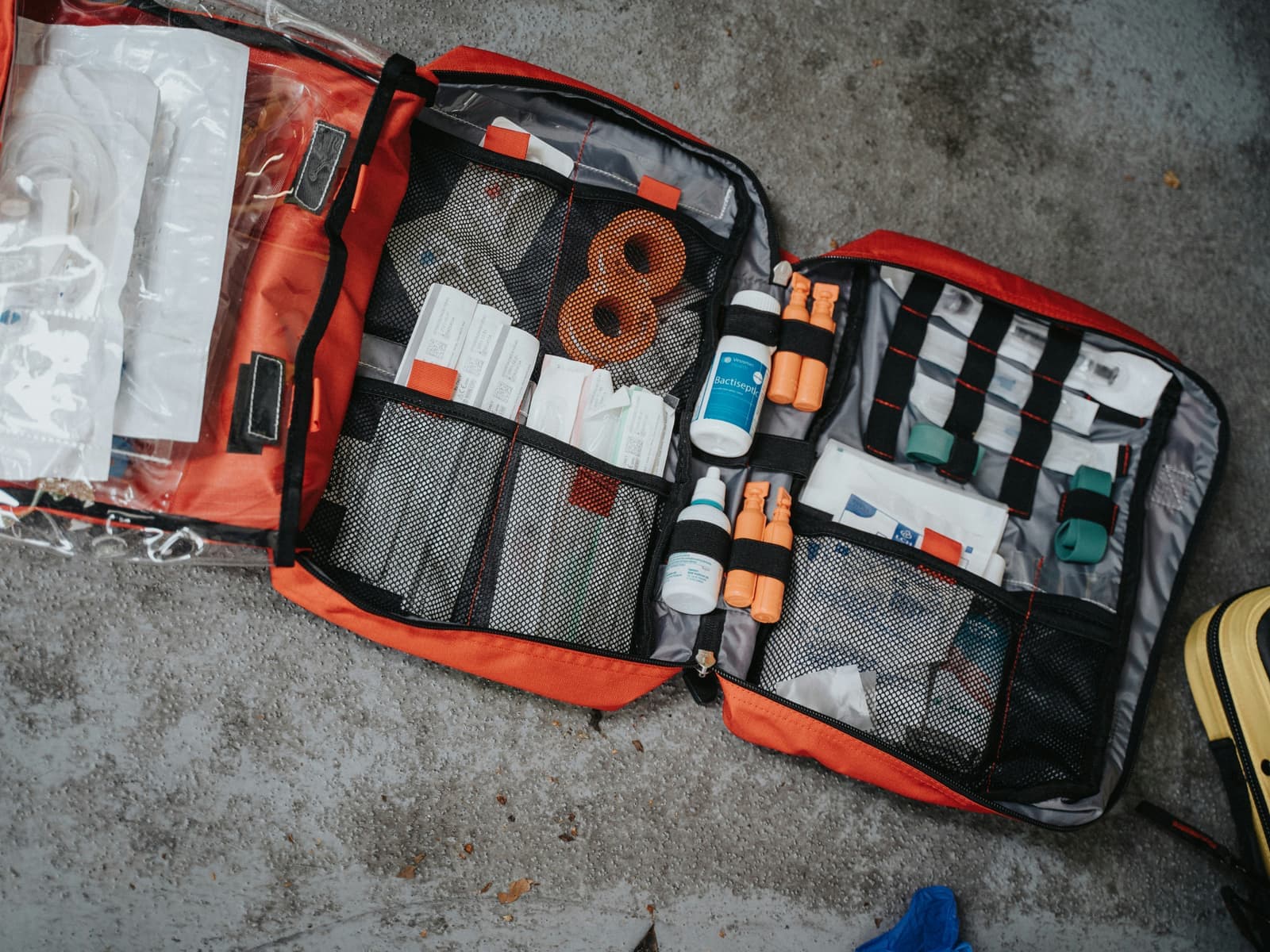
The licensing standards in Permenkes No. 11 of 2025 line up with this. An inpatient primary clinic (Klinik Pratama) must have a pharmacist, and a primary clinic with its own dispensary makes a pharmacist the person responsible for pharmaceutical services. An occupational health clinic may run its own pharmaceutical service or partner with a pharmacy; if it chooses the first, the person responsible must be a pharmacist. A clinic without pharmaceutical services may still hold medicines for medical emergencies, under the rules we set out in emergency drugs for site clinics.
Many summaries online still cite Permenkes 14/2021 or Government Regulation (PP) 51/2009. Both have since been revoked, in part or in full. Article 39 of Permenkes 11/2025 revokes Permenkes 14/2021 insofar as it covers business activity and product standards that Permenkes 11/2025 now regulates. Article 1170 letter j of PP No. 28 of 2024 revokes PP 51/2009 on Pharmaceutical Work. Permenkes 34/2021 itself remains in force: it was issued to implement PP 51/2009, and Article 1169 of PP 28/2024 keeps such implementing rules alive as long as they do not conflict with it.
What does the supervising pharmacist do?
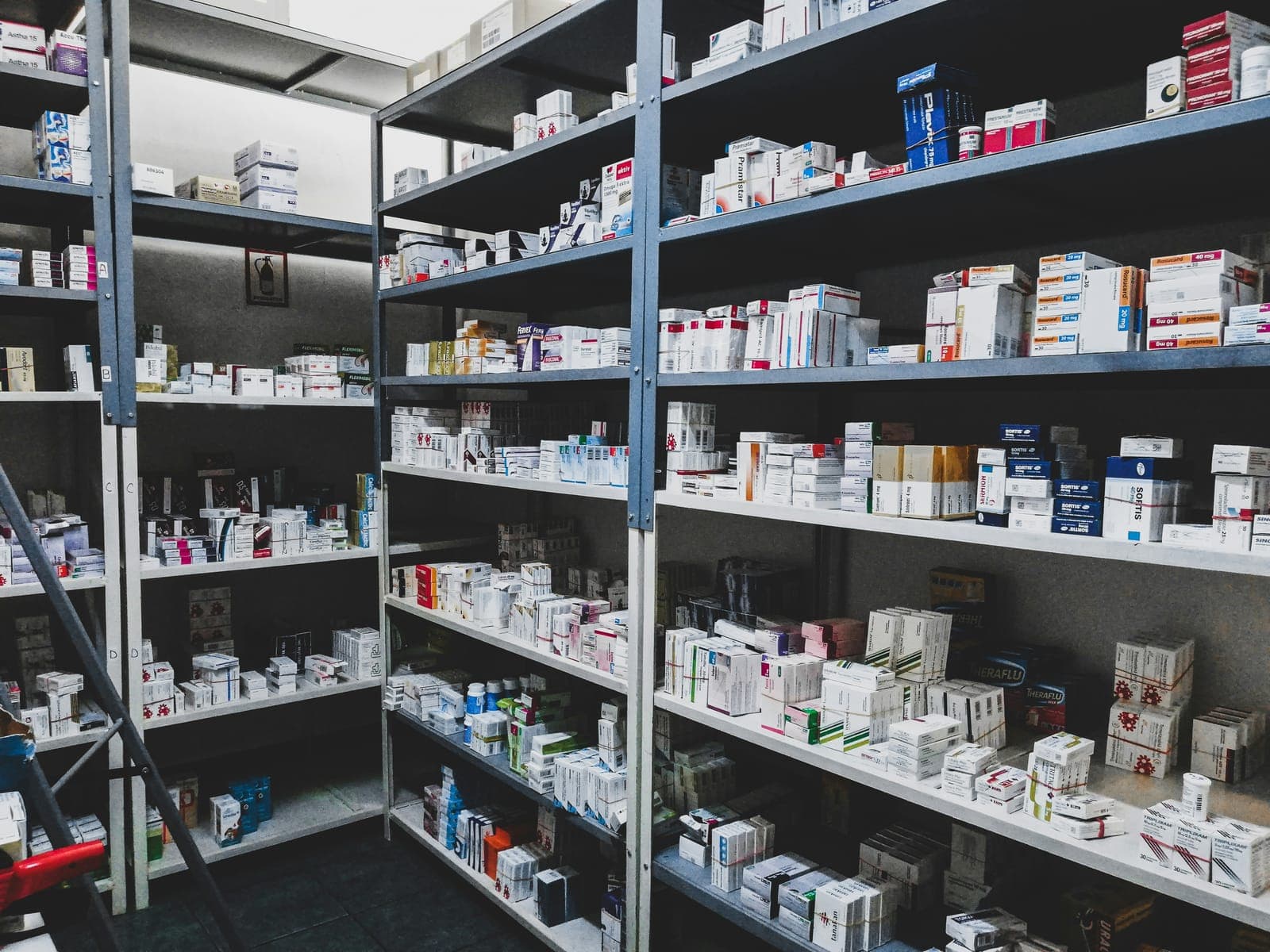
Article 4 of Permenkes 34/2021 splits the pharmaceutical service standard into two parts. The first is managing pharmaceutical preparations, medical devices, and consumables: selection and planning, procurement and receiving, storage, stock control, destruction and recall, and administration. Inpatient clinics add distribution to the wards. For clinics resupplied by boat or plane, we cover that cycle in medicine management for site clinics. The second part is clinical pharmacy. In an outpatient clinic it includes prescription review and dispensing, counselling, drug information, therapy monitoring, adverse drug reaction monitoring, drug use evaluation, and home pharmacy care.
The articles that follow give you material you can drop straight into a supervising pharmacist's job description:
- sign purchase orders and include their pharmacist practice licence (SIPA) number; orders may be sent electronically (Article 5);
- dispense prescriptions, never swap a generic for a branded product without the patient's consent, and contact the prescribing doctor when review turns up a mismatch, then record the outcome (Article 8);
- certify copies of prescriptions that patients ask for (Article 9);
- tell patients, at a minimum, what the medicine is for, how to use it, the dosing instructions, side effects, and how to store it (Article 11);
- make sure the pharmacist's practice sign shows their name, SIPA number, and practice hours, and is easy to read (Article 13);
- prepare the pharmaceutical service report the clinic must send up the chain to the health offices and the Ministry of Health (Article 18);
- destroy narcotics, psychotropics, and precursors in the presence of the district or city health office, with an official record (Annex, Chapter II).
Chapter IV section A of the Annex also lists the pharmacist's administrative requirements: a degree from an accredited pharmacy school, a registration certificate, a competency certificate, and a SIPA. Pharmacists must also keep up with continuing professional development.
What can pharmacy technicians do?
Article 1 point 12 of Permenkes 34/2021 defines pharmacy technicians (tenaga teknis kefarmasian) as staff who assist pharmacists: holders of a bachelor's degree in pharmacy, a pharmacy diploma, or a pharmaceutical analyst qualification. Chapter IV section A of the Annex gives them 13 duties, all carried out under a pharmacist's supervision. The table pairs those duties with the parts the same regulation leaves with the pharmacist:
| Activity | Pharmacy technician | Pharmacist |
|---|---|---|
| Ordering | Propose what is needed; look up wholesalers or distributors | Sign purchase orders with the SIPA number |
| Receiving goods | Receive deliveries, match them against the order, inspect their condition, issue a receipt | Carries out receiving; if unavailable, delegates it to pharmacy staff they appoint |
| Storage and stock | Store by therapeutic class, dosage form, and physicochemical properties; check availability and expiry dates; propose how to handle stock close to expiry; count stock; keep stock cards | Destroys narcotics, psychotropics, and precursors |
| Prescriptions | Receive prescriptions; check their administrative or pharmaceutical details and compound medicines, both under supervision; write labels | Reviews prescriptions, contacts the prescriber about mismatches, certifies prescription copies |
| Handing over | Prepare, hand over, and record over-the-counter and limited over-the-counter medicines and health supplies | Drug information, counselling, therapy monitoring, adverse reaction monitoring |
The technician's list does not mention handing over prescription-only medicines. Article 6(4) requires a prescription for narcotics, psychotropics, and prescription-only drugs. On receiving, Chapter II section D of the Annex requires the invoice or delivery note to be signed by the pharmacist or the delegated pharmacy staff member, with their full name, SIPA or SIPTTK number, and the facility stamp.
Pharmacy technician or pharmacy vocational worker?
Article 199(5) of Law No. 17 of 2023 on Health groups pharmacy personnel into pharmacy vocational workers (tenaga vokasi farmasi), pharmacists, and specialist pharmacists. Permenkes 34/2021, which came earlier, still uses the term pharmacy technician, while the primary clinic standard in Permenkes 11/2025 says a pharmacist may be assisted by pharmacy vocational workers. We read both terms as the same role in a clinic: the pharmacist's assistant, working under their supervision. What HR needs to check is the person's practice licence, because every health worker practising in a primary clinic must hold a practice licence (SIP) for that clinic.
Law 17/2023 also opens an emergency route. Article 286 lets pharmacy vocational workers provide services that normally fall to pharmacists, within certain limits, in specific circumstances such as a shortage of health workers in an area or a medical emergency. Under Article 287, that shortage is declared by the local government, and the workers involved must have completed training. Article 428 of PP 28/2024 gives doctors, dentists, nurses, and midwives similar room to practise pharmacy on a limited basis, leaving the details to a Minister of Health regulation.
Which model suits a site clinic?
In the field we see two models that both comply with the rules.
Model 1: partner pharmacy. The outpatient or occupational health clinic does not run pharmaceutical services. Prescriptions are filled by a partner pharmacy or clinic, and the clinic only keeps medicines for medical emergencies. It is simple, but on a site several hours from town, a worker with a new prescription only gets the medicine once the partner pharmacy has shipped it. In our view this model fits sites close to town or with a small number of prescriptions.
Model 2: pharmaceutical services in the clinic. The clinic has a supervising pharmacist licensed (SIPA) for that clinic, a practice sign whose hours match reality, and pharmacy technicians on site working within their duties under supervision. Electronic purchase orders help when shipments are arranged from head office, provided the system keeps products traceable and backs up its data, as Chapter II section C of the Annex requires.
Under the second model, the roster has to be worked out for pharmacy staff too, not just doctors and nurses. Our article on calculating medical staff for a roster explains the roster factor. Article 3(9) says the supervising pharmacist may be assisted by other pharmacists, so we line up a second pharmacist to cover the supervising pharmacist's leave and arrange their practice licence before they are rostered on.
How should stock be counted at roster changeover?
A roster changeover is when responsibility for stock changes hands, so we make it a physical count point. The outgoing and incoming pharmacy staff count together and both sign the result. Our checklist:
- the physical count of each medicine is matched against its stock card, and any discrepancy is traced before handover is signed off;
- narcotics and psychotropics are counted separately, witnessed by the supervising pharmacist or their cover;
- medicines close to expiry are already marked and a proposal for handling them has been submitted;
- open purchase orders are reviewed: which items have arrived and which have not;
- receipts and invoices since the last handover are complete and filed.
If your clinic takes the second model, or simply wants its existing stock put in order, our pharmacy service can handle purchasing of medicines and medical consumables, delivery to site, stock and expiry control, and routine records and reports, all under the responsibility of pharmacy personnel. Stock is checked by physical count and matched against the records.