ID
ID EN
EN 中文
中文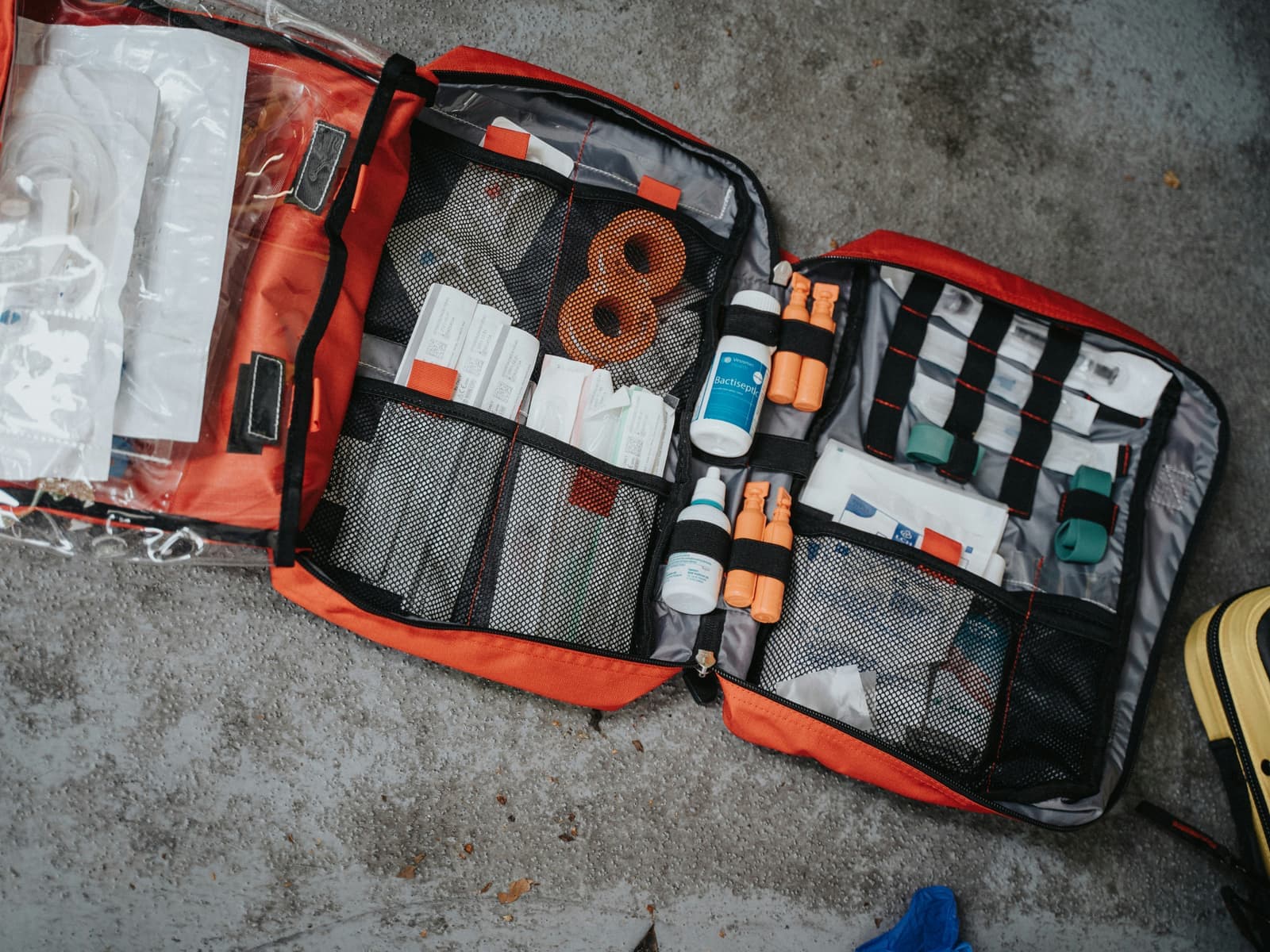
Emergency drugs at a clinic are the medicines kept on hand to stabilise a critically ill or injured patient until they can be referred. Which list applies to your clinic depends on one question: does it run a pharmacy service with a pharmacist? A clinic without a pharmacy service uses Minister of Health Decree (KMK) HK.01.07/MENKES/4799/2021, which names 18 medicines, as its guide. A clinic with a pharmacist sets its own emergency drug list, agreed between the pharmacist, doctors, and nurses, under Minister of Health Regulation (Permenkes) No. 34 of 2021. An occupational health clinic (Klinik Kesehatan Kerja) must also hold the minimum emergency kit in Permenkes No. 11 of 2025. None of these three rules sets stock quantities, so a site clinic has to work them out from how long an evacuation takes.
This article is for clinic managers, site doctors, and procurement teams at sites far from a hospital.
Which set of rules applies to your clinic?
Permenkes 34/2021 sorts clinics by the services they provide. Article 3 requires inpatient clinics to run a pharmacy service with a pharmacist in charge. Outpatient clinics can choose: run a pharmacy service themselves, in which case they must have a responsible pharmacist, or work with a pharmacy or another clinic instead. Article 4(6) adds that prescriptions from an outpatient clinic with no pharmacist are filled at a pharmacy or at another clinic that has a pharmacy service. For occupational health clinics, Permenkes 11/2025 gives a similar choice: have a pharmacy service of their own, or work with a pharmacy.
An outpatient site clinic with no pharmacist on site follows the first path. The two paths compare like this:
| Topic | No pharmacy service | With a pharmacist |
|---|---|---|
| Reference | KMK 4799/2021 | Annex to PMK 34/2021 |
| Drug types | The 18 items in the KMK annex, as a guide | Agreed by pharmacist, doctors, and nurses, antidotes included |
| Purchasing | From a pharmacy, on an order form signed by the clinic's person in charge | Order form signed by the pharmacist |
| Quantity | A set amount in line with service needs | Calculated in the clinic's needs planning |
| Where kept | A dedicated cabinet for emergency drugs and consumables | Service points such as exam rooms, injection rooms, and the emergency unit |
What is on the KMK 4799/2021 emergency drug list?
The annex to KMK 4799/2021 lists 18 medicines with their dosage forms and strengths: epinephrine (adrenaline), lidocaine, atropine, isosorbide dinitrate, sodium chloride 0.9%, dexamethasone, salbutamol, Ringer's lactate, glucose 40%, diazepam, chlorpromazine, ketoprofen, paracetamol, propranolol, phytomenadione (vitamin K1), magnesium sulfate, nifedipine, and glyceryl trinitrate. Some summaries online say 17 items, but the copy published by the Ministry's pharmaceutical directorate numbers them 1 to 18.
The decree's clauses (diktum) set out what the list is for. The second clause calls it a guide for doctors in independent practice and for clinics without a pharmacy service, so it is not a mandatory list for every clinic. The third clause covers how the drugs are obtained: the doctor sends a written request to a pharmacy. The annex to PMK 34/2021 provides the order form (Form 1), signed by the clinic's person in charge. The fourth clause allows the drugs to be kept in a set amount in line with service needs, and the fifth requires any psychotropic drugs to be handled under the relevant regulations.
Form 15 in the annex to PMK 34/2021, a self-assessment, shows what is checked at a clinic with no pharmacist: a dedicated cabinet for emergency drugs and consumables, evidence that the clinic keeps only emergency drugs (backed by the list itself), psychotropics in a separate cabinet, and one stock card for each drug.
How does a clinic with a pharmacist build its list?
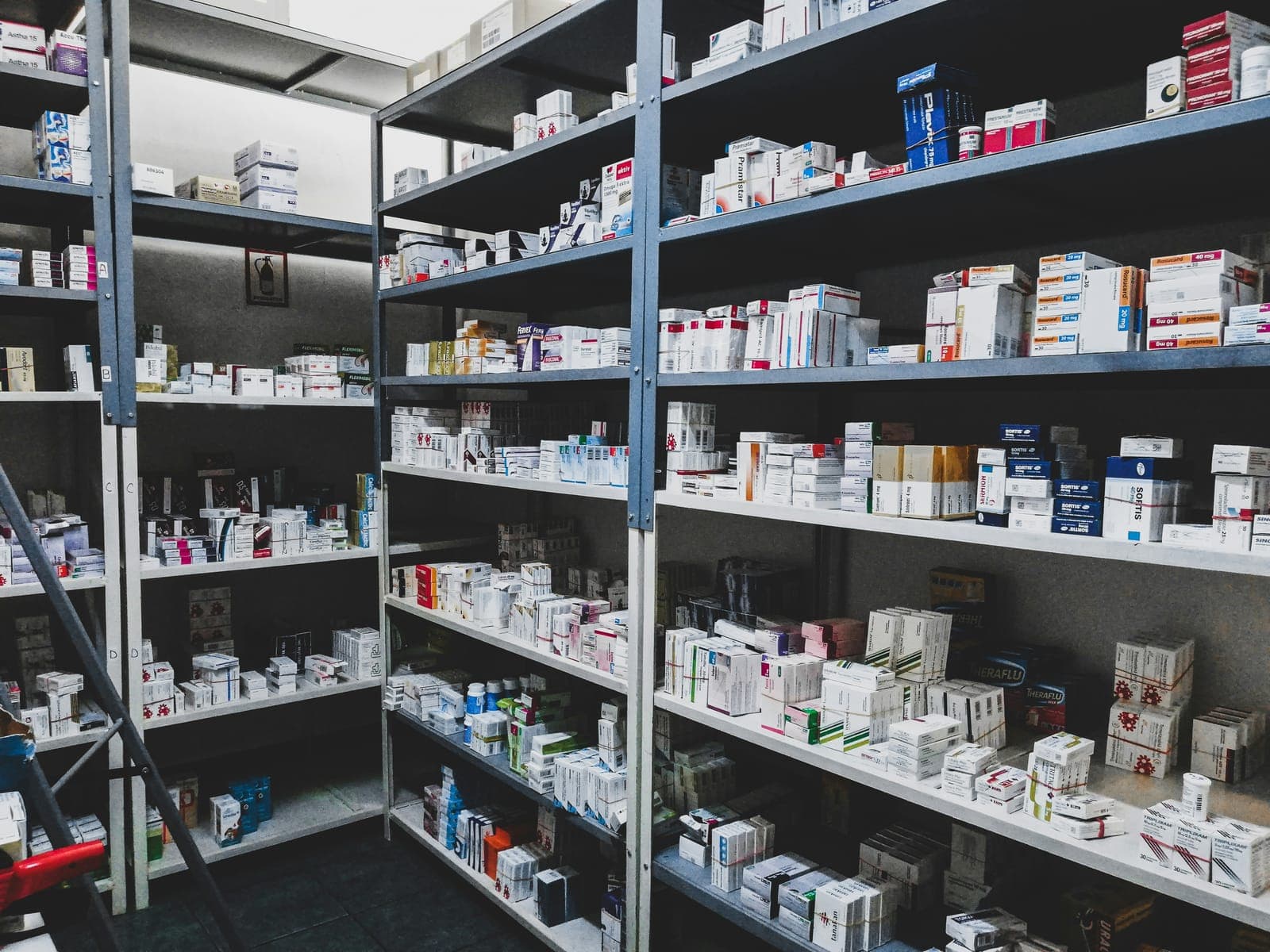
The storage section of the annex to PMK 34/2021 (Chapter II, point E) has specific rules for emergency drugs. The drug types, antidotes included, are agreed between the pharmacist or pharmacy staff, doctors, and nurses. These drugs are used only in emergencies, kept at service points such as exam rooms, injection rooms, and the emergency unit, checked regularly, replaced on time when damaged or expired, and secured against misuse, carelessness, and theft.
Occupational health clinics have an extra layer. Permenkes 11/2025 requires a minimum emergency kit of masks, oxygen, a bag valve mask, an oropharyngeal airway, IV fluids, infusion sets, tape, gloves, syringes, and the drugs adrenaline, dexamethasone, and an antihistamine. The same standard also requires a medical evacuation equipment set and emergency drugs that follow a standard set by the Minister of Health. We have not found that standard published as a separate document, so ask your local health office which reference it uses before the licensing check. We cover the clinic's other requirements in our article on the mine site clinic.
The sources we read contain no national antidote list for site clinics. The doctor and pharmacist choose antidotes based on the chemicals and hazards present on site. For comparison, section 4 of the WHO Model List of Essential Medicines 2025 includes antidotes such as activated charcoal, atropine, calcium gluconate, naloxone, sodium nitrite, and sodium thiosulfate. The WHO list is a model for building national essential medicines lists, not a stock list for a clinic.
A first aid kit in the work area is not the place for emergency drugs either. Its contents are regulated separately, as explained in our article on first aid kit contents.
How much stock do you need when evacuation takes hours?
At a remote site, the clinic team may have to care for a critical patient for hours before a vehicle, boat, or aircraft arrives, and replacement drugs can take days to come in. That is why we size the emergency trolley from a scenario rather than from average use:
- Agree a realistic worst case with the site doctor, such as a haul vehicle accident with several casualties at once.
- Estimate how long patients stay at the clinic before evacuation arrives, by day, at night, and in bad weather.
- Ask the doctor to set out the drugs and fluids each patient needs over that period.
- Multiply by the number of patients in the scenario, then add the lead time for resupply.
For the safety margin, the Ministry of Health's 2023 Technical Guidelines for Planning Medicine Needs are a useful reference. In a combined ABC and VEN analysis, vital drugs fall into the priority category with a buffer level of 25 to 30 percent (Table 2). Table 4 gives emergency trolley drugs as an example of the BV group: vital and slow-moving, but their use and remaining stock must still be reported. The same guidelines allow vital drugs with long lead times to be placed in the AV group, which is tightly controlled and ordered in small amounts more often. For a site with infrequent deliveries, we find the AV approach the better fit.
How do you set up layered kits across a site?
One trolley at the clinic does not reach a casualty in a pit, at a jetty, or in a plantation block. We set up emergency drugs in layers, each with numbered seals and a usage sheet:
| Layer | Location | Control |
|---|---|---|
| Emergency trolley or cabinet | Clinic treatment and emergency room | Numbered seal, checked at every shift change |
| Response team bag | Carried by the medical team to the scene | Seal number logged when the bag goes out and comes back |
| Ambulance and escort kit | Ambulance, boat, or aircraft used for referral | Restocked before the vehicle is declared ready again |
| Reserve stock | Site pharmacy store | Restocks the other layers without waiting for a delivery |
Once a seal is broken, staff record the drugs used on the usage sheet, and the clinic restocks the kit before it is declared ready again. The reserve stock card is reconciled against that sheet. The response bag usually travels with an AED; we cover where to place AEDs in our article on AEDs at work sites.
How do you store emergency drugs in a hot clinic?
The storage section of the annex to PMK 34/2021 calls for a cooling system that keeps the room below 25 °C, a refrigerator for drugs that need one, and temperature monitoring with a calibrated thermometer and a temperature log card. The storage temperature for each drug is read from its packaging. Drugs are issued first expiry, first out (FEFO), and items within 3 to 6 months of expiry get a special mark.
For power cuts, the same annex asks for drugs to be moved to a place that meets the requirements and, where possible, for drug storage to have priority on backup power. On site, write the plan down: which generator or UPS feeds the drug room and the refrigerator, where drugs go if cooling fails for a long time, and who decides whether they are still fit to use. Kits in vehicles are the hardest to keep cool. Compare cabin temperatures with the limits on the drug packaging and, if response times allow, keep the kit at the clinic and take it to the vehicle when a call comes in.
What should be checked at roster handover?
Site medical staff rotate on a roster, which makes the handover the most consistent checkpoint. The checklist we use:
- the seal on each layer is intact and its number matches the log;
- usage sheets since the last handover have been reconciled with the stock cards;
- drugs close to expiry are marked and their replacements are on order;
- temperature cards for the drug room and refrigerator have no gaps, including during power cuts;
- replacement orders for used drugs have gone out and their arrival dates are known;
- any change to the list, such as a new antidote for a new chemical on site, has been approved by the doctor and pharmacist.
Our pharmacy service covers purchasing medicines and medical consumables, delivery to site, storage to the required temperature, and control of stock and expiry dates. We build the emergency drug list and its minimum stock levels with the doctors working on your site.