 ID
 EN
 中文
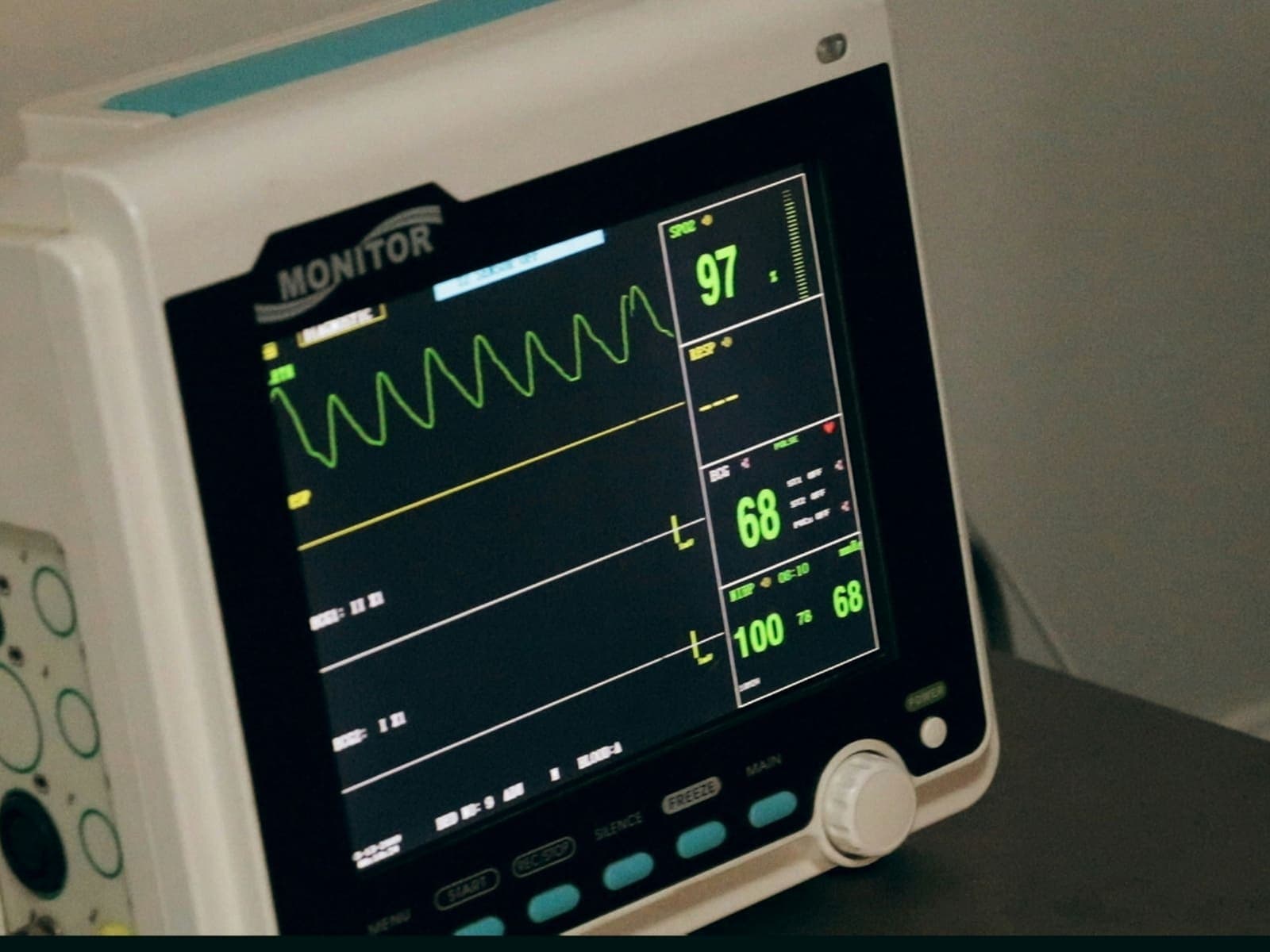
For a site clinic, telemedicine means remote consultation between two health facilities. Clinic staff send patient data, such as an ECG tracing, wound photos, or vital signs, to a doctor at a hospital and receive a medical opinion to guide care on site. In Indonesia the legal basis is Law 17/2023, Government Regulation (PP) 28/2024, and Minister of Health Regulation (Permenkes) 20/2019. The requirements are licensed staff, written procedures, fit-for-use equipment and connections, and electronic medical records. Telemedicine adds a layer of consultation. It does not replace the doctor or nurse on site, and it does not replace the decision to evacuate.
This article is for site management, HSE, the clinic lead, and procurement.
Which type of telemedicine does a site clinic use?
PP 28/2024 Article 558 recognises two types: between health facilities, and between a facility and the public. When a site clinic asks a specialist for an opinion on a patient it is treating, that is the first type. The detailed rules are in Permenkes 20/2019, still listed as in force on the Ministry of Health legal database (JDIH). Article 453 of Law 17/2023 keeps implementing regulations of the previous Health Law in force as long as they do not conflict with the new law.
Article 3 of Permenkes 20/2019 lists four services, plus others that follow new technology:
| Service | What the site sends | Note |
|---|---|---|
| Teleradiology | X-ray images with supporting data | Only if the clinic has an X-ray unit |
| Tele-ECG | A 12-lead ECG tracing | The consulting doctor reads it and issues an expert report |
| Tele-ultrasound | Ultrasound images | Limited to obstetric ultrasound in this regulation |
| Clinical teleconsultation | Complaints, vital signs, wound photos, exam findings | Written, voice, or video, and it must go into the medical record |
Who may give and who may request a consultation?
Under Article 6 of Permenkes 20/2019, the consulting facility is a hospital, public or private, that meets the requirements. The requesting facility can be a hospital, a primary care facility, or another facility, so a site clinic sits on the requesting side. PP 28/2024 Article 558(5) is broader: clinics and independent practices may also provide telemedicine. The Minister of Health regulation that Article 564 calls for to set out the details had not been found as of 25 September 2026. So a site clinic consulting a specialist outside a hospital has no detailed rules yet. For now, an agreement with a hospital is the route with the clearest legal footing.
Every medical and health professional delivering telemedicine must hold a registration certificate (STR) and a practice licence (SIP) (PP 28/2024 Article 562(2); Law 17/2023 Article 172(4)). Permenkes 20/2019 Article 10(4) also requires them to be trained on the equipment and to communicate well during consultations. How to check staff STR and SIP is covered in checking STR and SIP of health workers at site clinics.
If the requesting facility has no doctor, a nurse or midwife may request the consultation (Article 10(3)). The article does not address a clinic that has a doctor who happens to be off site. Advice from a hospital doctor also does not extend what a nurse is authorised to do. We cover the limits on nurses when the doctor is away in nurse authority at site clinics.
Who carries the decision for the patient?
Article 14(2) describes the consultation reply as a medical opinion from a specialist or other expert on how the patient should be managed. Staff on site still carry out treatment within their own authority, and they record the reason for each decision. Under Article 17(2), the consulting hospital must answer to standard, keep patient data confidential, give true and honest information, and be available for consultation 24 hours a day, every day. The requesting clinic must send data that meets quality standards, keep it confidential, and tell the patient the consultation result honestly (Article 18(2)).
The requesting clinic pays (Article 15). Outside the national health insurance programme, the two facilities agree the fee. The World Health Organization's 2022 telemedicine guide lists responsibility for patient outcomes as one of the items telemedicine rules should cover. Write that split of responsibility into the agreement, together with service hours, data formats, and how complaints are handled.
When is telemedicine used, and when does evacuation come first?
Draw up a list of indications with the clinic's responsible doctor: which cases are discussed remotely, and when a patient is referred straight away without waiting for a reply. Examples include chest pain with an unclear ECG, a wound whose depth is hard to judge, an X-ray after a fall, or whether a patient can safely be observed overnight on site.
Evidence from offshore platforms points in one direction. A prospective study by Stilz and colleagues (2022) found higher odds of medical evacuation on installations without telemedicine, and in the telemedicine group some transfers shifted from emergency evacuation to routine transport. The authors worked for or were contracted by an oil company, and the comparison was between countries, so the finding cannot simply be carried over to sites in Indonesia. In interviews by Hellfritz and colleagues (2023), 22 offshore paramedics said telemedicine was impossible to use in emergencies because it took too long, was technically complex, and overloaded them while more urgent tasks were waiting.
Stabilisation, choice of transport, and escorts are covered in medical evacuation from remote sites.
What equipment does a site clinic need?
Permenkes 20/2019 Article 11 and PP 28/2024 Article 559 require electricity, an adequate internet connection, and medical and non-medical equipment that is of good quality, safe, and fit for use. Neither regulation deals with locations without mobile signal, so a site clinic has to turn those requirements into its own equipment list:
- a 12-lead ECG whose tracings can be saved and sent as a clearly readable file;
- a vital signs monitor, so the numbers reported come from a calibrated device;
- a clinic-owned camera or phone for wound photos, not a staff member's personal phone, so patient data does not spread;
- a way to open and send X-ray images, if the clinic has radiology;
- an application with data security, government or private; an application the facility develops itself must be registered with the Ministry of Health (Permenkes 20/2019 Article 12; PP 28/2024 Article 560);
- a primary data link, for example by satellite, and a backup for voice consultation, such as radio or a satellite phone;
- backup power. The occupational health clinic standard in Permenkes 11/2025 mentions a generator or UPS, and a communication system that may be landline, mobile, radio, or other equipment (other clinic facility requirements are covered in mine site clinics: facilities, medical staff, and permits).
The WHO guide distinguishes sending data to be reviewed later (store and forward) from live consultation. When the link is weak, send the ECG file and photos first, then talk by voice. Test the whole chain regularly by sending a test ECG to the consulting hospital, and log the result. One case study in the WHO guide notes that equipment maintenance is often underestimated when budgets are drawn up.
What must be recorded for each consultation?
Clinical teleconsultations must be recorded in the medical record (Permenkes 20/2019 Article 3(7)). Consultation replies and expert reports must at least name the requesting doctor and the consulting doctor and identify the patient, must be printable, and form part of the medical record (Article 14). Facilities that provide telemedicine must also use electronic medical records (PP 28/2024 Articles 552 and 781(2); Permenkes 24/2022 Article 4).
A practical log for each consultation:
- time of the request and name of the staff member who sent it;
- the data sent, including ECG files and photos;
- time of the reply and name of the consulting doctor;
- the advice given, the action taken, and who carried it out;
- follow-up: observed on site, reviewed again, or referred.
If images or audio are unclear, the consulting doctor may ask for a repeat examination or resend (Article 14(5)); record that request too. Access rights and data backup for site clinics are covered in electronic medical records for clinics.
Article 7(2) requires the requesting clinic to appoint the staff involved and set its procedures by decision of the clinic head. Article 13 requires both consulting and requesting facilities to register with the Minister through the Director General. We do not describe the registration procedure here; ask the consulting hospital and the local health office.
Our medical equipment service covers procurement of medical devices such as ECGs and vital signs monitors, delivery to site, installation and function testing, scheduled maintenance, and per-site configuration. The data link and applications are set up with the site IT team and the consulting hospital.