 ID
 EN
 中文
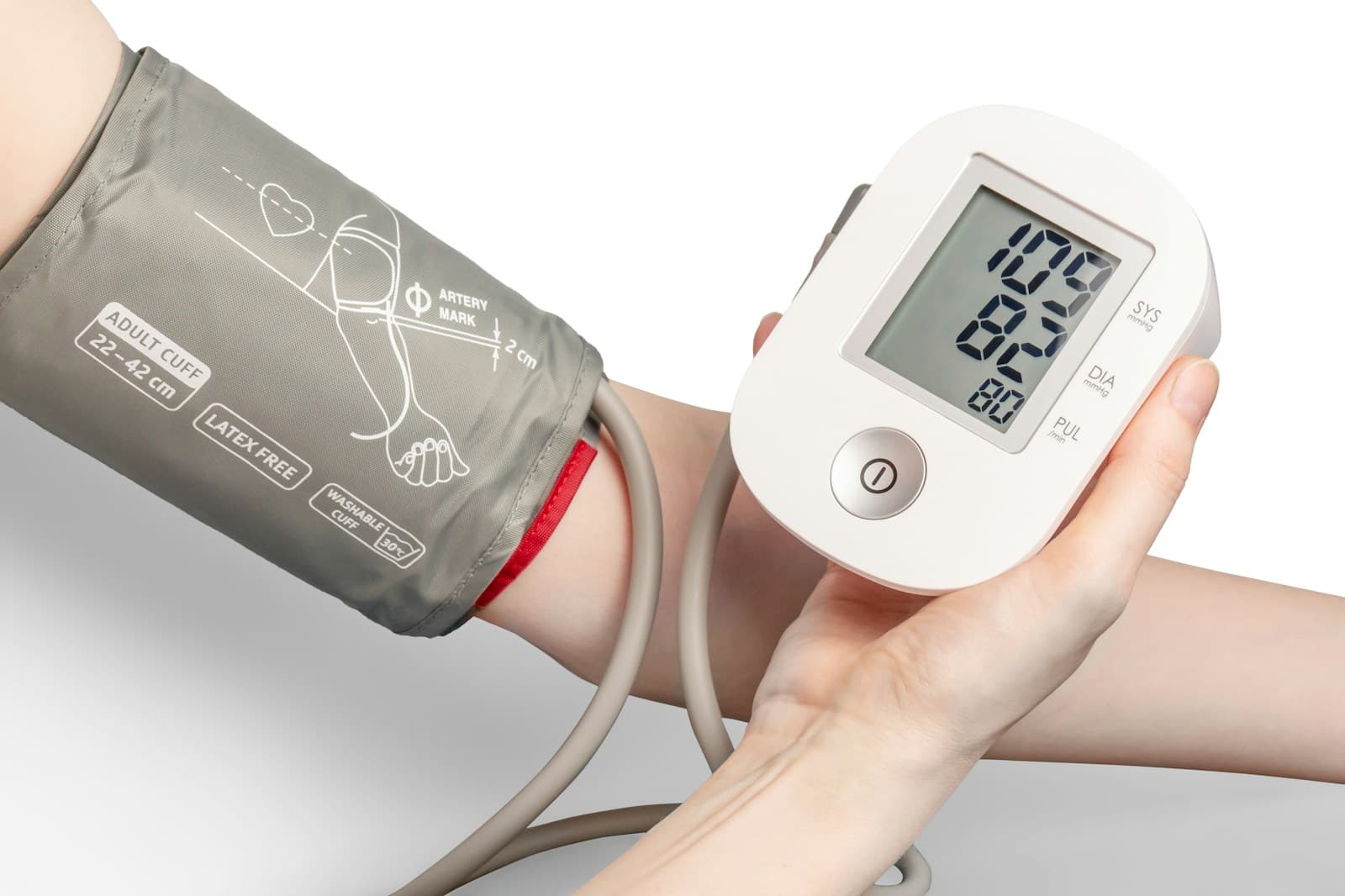
Medical equipment in a klinik pratama (primary clinic) must be safe, beneficial for the type of service, of good quality, and calibrated. That is the wording of the Klinik Pratama standard annex in Permenkes Nomor 11 Tahun 2025 (Minister of Health Regulation 11/2025), issued on 3 October 2025. The detailed per-room equipment list, however, is not in that regulation. Item 5 of the Equipment section says the equipment standard for a Klinik Pratama "is set by a Ministerial Decree" (Keputusan Menteri), and we could not find that decree on the Ministry's JDIH legal database.
This article separates three things: what the standard definitely requires, the per-room list that can still serve as a reference together with a note on its status, and what we think remote site clinics should add. It is not clinical advice and it does not replace the guidance of your local health office (dinas kesehatan).
What does the standard require for klinik pratama equipment?
The Equipment section of the Klinik Pratama standard in Permenkes 11/2025 has five items. The clinic must hold equipment that is safe, beneficial for its type of service, of good quality, and calibrated (item 1). Equipment covers both medical and non-medical equipment that supports services (item 2). An inpatient clinic has at most 20 patient beds (item 3). Every piece of equipment must be sterilised (item 4). The standard is set by Ministerial Decree (item 5).
The Klinik Kesehatan Kerja (occupational health clinic) standard, which company clinics often use, is built the same way: safe, good quality, calibrated equipment, with the per-room equipment standard set by the Minister. We compare the two clinic types, including type 1 and type 2, in permits and management of company clinics and mine site clinics.
Why is the per-room equipment list hard to pin down?
Because the detailed list most often quoted comes from a regulation whose status is layered. The annex to Permenkes 17/2024 (second amendment to Permenkes 14/2021) holds a table of "minimum equipment standards for each type of room", with minimum quantities for outpatient and inpatient clinics. JDIH Kemenkes now marks that regulation as no longer in force because Permenkes 11/2025 revoked it.
The revocation is not total, though. Article 39(d) of Permenkes 11/2025 revokes Permenkes 17/2024 only insofar as it governs business activity or product standards now covered by the new regulation. Article 37 adds that business licences still in process, or not yet effective until the OSS system is aligned with Government Regulation 28 of 2025, continue to be processed under Permenkes 14/2021 as last amended by Permenkes 17/2024.
So the old table may still be used by assessors for licences processed through the old track, and may not be for licences processed through the new track. We cannot confirm which applies to your clinic. Our opinion: ask the dinas kesehatan or the one-stop investment office (DPMPTSP) that issued your licence in writing, and keep the answer with your licence file.
One more note. Permenkes 9/2014 on Clinics also contains equipment provisions (Articles 17 to 19), and JDIH still marks it as in force. Permenkes 26/2018, Article 93(2)(p), revoked it insofar as it governs licensing requirements, procedures, and licence validity. Article 39 of Permenkes 11/2025 does not mention Permenkes 9/2014, but Article 39(a) revokes Permenkes 26/2018 itself, and we cannot confirm what that means for Permenkes 9/2014. Because its detail is less clear than the new standard, we use it only for comparison.
What equipment sits in each room of a klinik pratama?
The table below combines two layers. The middle column comes from Permenkes 11/2025 and stands as the current standard. The right column gives sample equipment from the Klinik Pratama table in the annex to Permenkes 17/2024, with the status described above, so treat it as a reference, not a mandatory list.
| Room | What Permenkes 11/2025 requires | Sample equipment per the Permenkes 17/2024 reference |
|---|---|---|
| Examination room (ruang pemeriksaan) | At least 7.5 m2 (2.5 x 3 m), hand basin, hand disinfection facility, 1 examination bed; diagnostic equipment such as ECG or ultrasound may be in the same room or separate | Adult blood pressure monitor, child cuff, stethoscope, thermometer, adult and infant scales, examination table, otoscope, examination torch, covered waste bins, sharps container |
| Procedure room (ruang tindakan) | At least 7 m2 if separate; if combined with the examination room it must hold 2 beds divided by a curtain; an emergency room is not mandatory at an outpatient clinic and its function merges into the procedure room (an inpatient clinic must have an emergency room, at least 7.5 m2) | Covered sterile tray, instrument set (scissors, clamps, forceps, korentang), suction unit, oxygen cylinder and regulator, IV stand, stretcher (brankar), emergency kit set, medicine cabinet |
| Instrument sterilisation room | Size to suit needs; may be combined with the procedure room; every piece of equipment must be sterilised | Autoclave, korentang, soaking buckets, sterile instrument cabinet, covered waste bins, rubber apron |
| Inpatient room (if any) | At most 20 beds; oxygen cylinders in the inpatient room; more than 1 cylinder for an inpatient clinic | Stretcher, oxygen regulator with humidifier, oxygen tubing, examination lamp, instrument table, adult and infant bag valve masks |
| Lactation room | Covered waste bin, chair, table, hand basin, hand disinfection facility, an enclosed room | Refers to the standard for breastfeeding rooms in public places |
Some entries in the old reference table carry special marks, for example ECG marked "+/-" for outpatient clinics and the bag valve mask marked with an asterisk. We found no key to those marks in the text we read. Read the table itself in the annex to Permenkes 17/2024 before drawing up a shopping list. Before buying, check each item's izin edar and record arriving equipment in ASPAK; the steps are in medical device izin edar and ASPAK.
What is required for medical gas, power, and emergency equipment?
Some equipment requirements actually sit in the Infrastructure (Prasarana) section, and these definitely apply. A klinik pratama's medical gas system provides at least oxygen, with at least 1 cylinder and more than 1 for an inpatient clinic. Cylinders are used in the procedure room and the inpatient room, and each cylinder must be confirmed fit for use. Handling cylinders in the field is covered in medical oxygen cylinders at site clinics.
A clinic must provide emergency ambulance service if it has inpatient care, delivers births, or performs risky procedures, either with its own vehicle or by cooperation with a licensed provider. Vehicle details and cooperation arrangements are in site ambulance standards. Fire extinguishers (APAR) number at least 2 with a monitoring checklist, and a communication means such as telephone, mobile, or radio is also part of the infrastructure. Building and other infrastructure requirements are covered in clinic building and container clinics.
For a Klinik Kesehatan Kerja, Permenkes 11/2025 states that the minimum emergency kit contains masks, oxygen, a bag valve mask, an oropharyngeal airway, IV fluid, an infusion set, plaster, gloves, syringes, and certain medicines. The clinic must also hold a medical evacuation equipment set and emergency medicines to the Minister's standard, plus emergency power (generator or UPS), especially for equipment that must not lose power. The medicines in the kit are covered in emergency medicines in clinics.
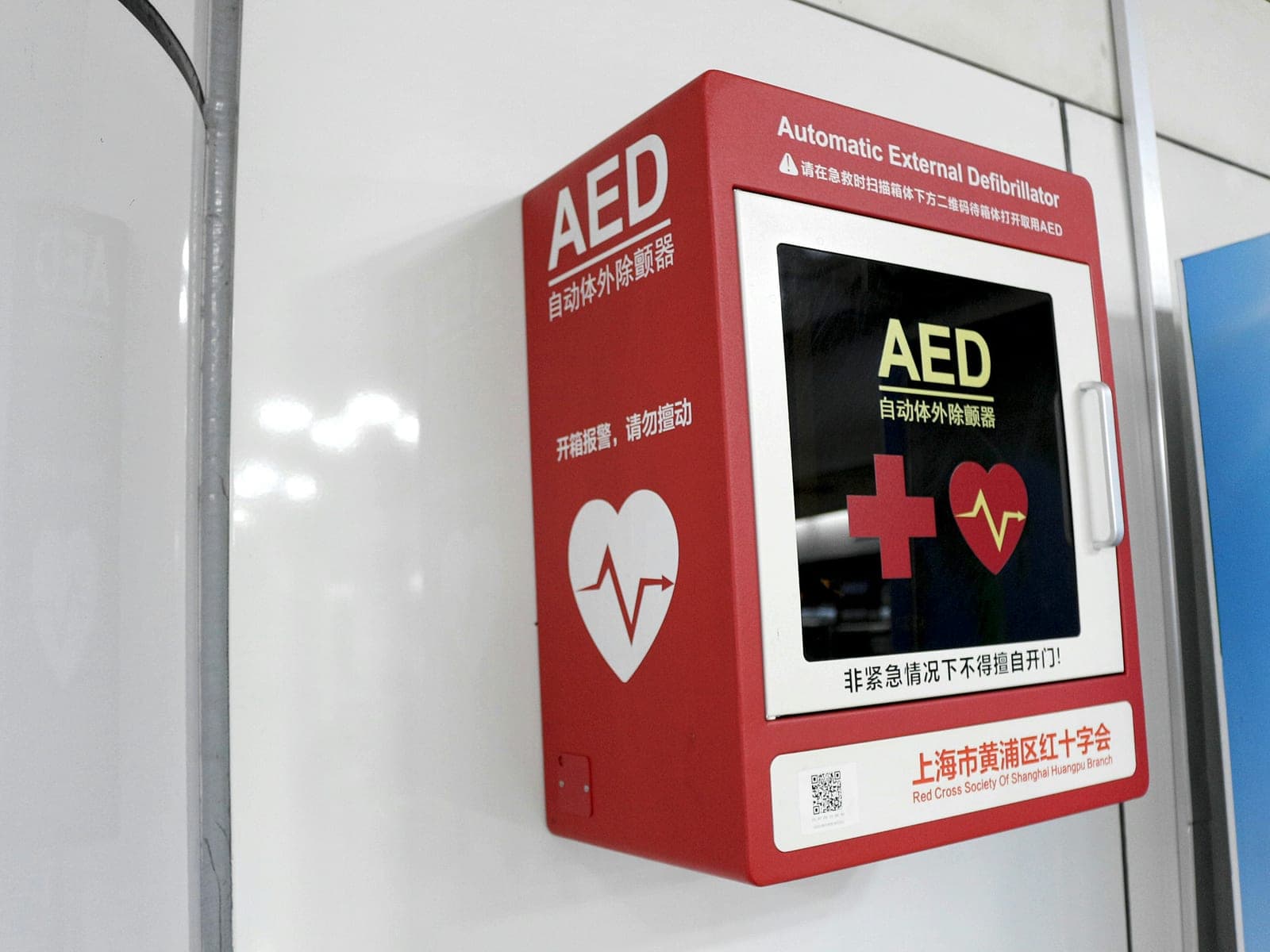
The Klinik Pratama and Klinik Kesehatan Kerja standards we read do not mention an AED or defibrillator. The word appears in the requirements for facilities, infrastructure, and emergency equipment for a Klinik Utama that performs surgery under general anaesthesia. Installing an AED remains a site risk management choice; it is discussed in AEDs in the workplace.
What should a remote site clinic add?
The standard is written for clinics in general and does not account for distance to a repair workshop or a referral hospital. Below is our opinion for clinics at far-off sites. All of it is practical advice, not a legal duty.
| Addition | Reason |
|---|---|
| Spare units of frequently used equipment (blood pressure monitor, thermometer, pulse oximeter, suction unit) | Technicians and spare parts take time to arrive; the clinic keeps running while one unit is being calibrated or repaired |
| Spare accessories and consumables (cuffs, probes, batteries, tubing) | Many field failures come from accessories rather than the main unit |
| Oxygen cylinders and regulators above the minimum count | Refill supply at remote sites takes longer than in a city |
| UPS or generator for equipment that must not shut down | Site power is often unstable; the standard itself asks for emergency power |
| Manuals, warranty cards, and service contacts kept with the inventory | Off-site technicians can help by phone if serial numbers and manuals are at hand |
| Closed cabinets and rooms shielded from dust and heat | Idle equipment still needs protection |
| Backup communication to the referral facility | The standard only mentions a communication system; at a site, the signal can drop |
Evacuation from remote sites is covered in medical evacuation from remote sites.
Medical equipment checklist for a clinic
- The clinic type (pratama or kesehatan kerja, type 1 or 2) is confirmed from the licence you hold.
- A written question to the dinas kesehatan or DPMPTSP about which equipment list is used as the reference has been sent and the answer is on file.
- An equipment list per room is drawn up and every item has a serial number and location.
- Every item that needs calibration is on the schedule; IPAFK labels and certificates are still valid (see medical device calibration and maintenance).
- A sterilisation method and a sterilisation room or corner are in place.
- Oxygen cylinders, fire extinguishers, and communication equipment are checked regularly and the results recorded.
- Spare units and accessories for the most used equipment are held on site.
- Manuals and warranty cards for each item are stored.
A broader readiness checklist before a medical team mobilises is in clinic readiness checklist before mobilising a medical team.
Common mistakes
- Treating the old list as binding law without checking. The Permenkes 17/2024 table is valid as a reference, but its status should be confirmed with the licensing authority.
- Assuming Permenkes 11/2025 contains a per-room equipment list. It hands that list to a Ministerial Decree.
- Assuming an emergency room is always mandatory. At an outpatient klinik pratama, an emergency room is not mandatory and its function merges into the procedure room (annex to Permenkes 11/2025, Klinik Pratama).
- Buying equipment without thinking about calibration. Even measuring devices in the examination room belong on the schedule.
- Using one emergency kit list for every clinic type. The minimum kit we quote above applies to a Klinik Kesehatan Kerja; a klinik pratama should read its own standard.
Our medical equipment service covers procurement to the clinic's needs, an inventory and documents for each item, maintenance and calibration schedules, and backup planning for the most important equipment at the site.